Middle Eastern Investment and Tourism Surge in Hong Kong Amid Global Tensions
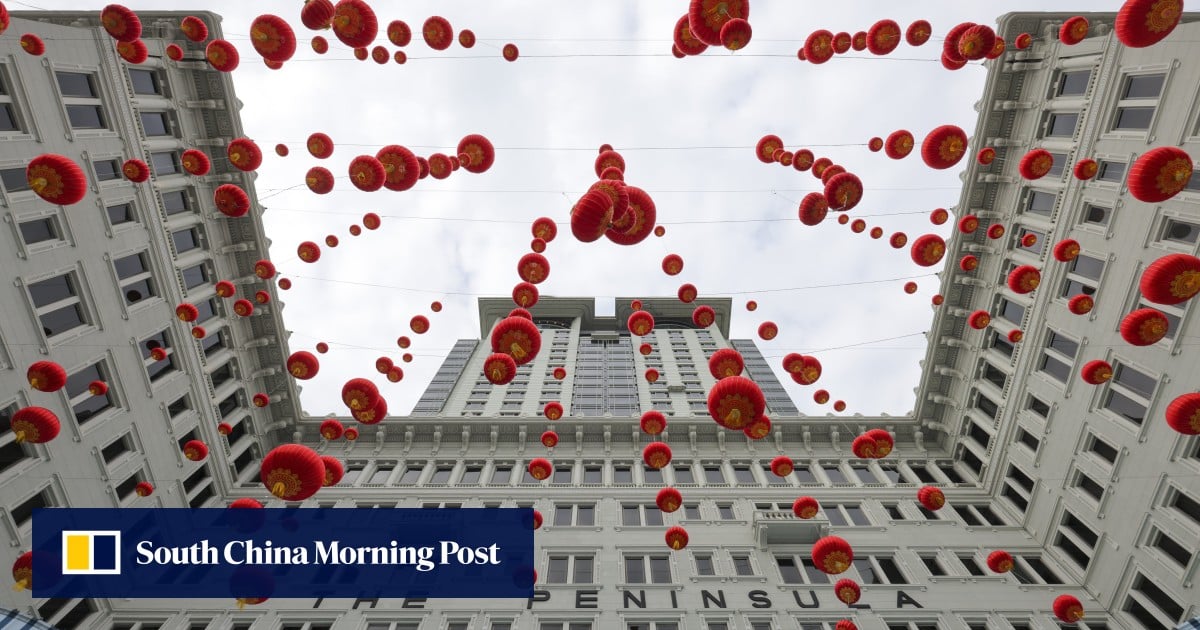
As geopolitical tensions escalate, Hong Kong emerges as a prime destination for Middle Eastern investors and travelers. The city's unique position and business-friendly environment attract significant financial inflows and tourism from the region.
Introduction
In the wake of rising geopolitical tensions, Hong Kong is experiencing a notable shift in its economic landscape, particularly with an influx of Middle Eastern investment and tourism. As traditional markets face uncertainty, the city's robust financial systems and strategic location are drawing attention from affluent travelers and investors from the Middle East.
Shifting Dynamics
Historically, Hong Kong has been a gateway for international business and trade, but recent developments have further solidified its status as a preferred destination for Middle Eastern capital. With ongoing conflicts and instability in various parts of the Middle East, investors are seeking safer havens for their assets, and Hong Kong's reputation as a stable financial hub is increasingly appealing.
Investment Opportunities
Real estate has emerged as a key sector attracting Middle Eastern investors. The luxury property market in Hong Kong is witnessing heightened interest, with high-net-worth individuals looking to diversify their portfolios. According to real estate analysts, there has been a surge in inquiries and transactions from Middle Eastern buyers, particularly in premium residential and commercial properties.
Moreover, the city’s favorable tax regime and legal framework provide a conducive environment for business operations. Many Middle Eastern firms are exploring opportunities in sectors such as finance, technology, and hospitality, further enhancing Hong Kong's economic resilience.
Tourism Boom
Alongside investment, the tourism sector is also benefiting from the influx of Middle Eastern travelers. With direct flights connecting major cities in the Middle East to Hong Kong, travel agencies report a significant uptick in bookings from the region. Tourists are drawn not only by the city’s vibrant culture and shopping experiences but also by its reputation for safety and hospitality.
Luxury hotels and restaurants are experiencing a renaissance, catering specifically to the tastes and preferences of Middle Eastern visitors. From high-end dining experiences to bespoke shopping tours, the hospitality industry is adapting to meet the demands of this lucrative market.
Challenges and Considerations
While the influx of Middle Eastern investment and tourism presents numerous opportunities, it also poses challenges. The local market must navigate the complexities of integrating diverse cultures and preferences, ensuring that the unique needs of these travelers and investors are met without compromising the local identity.
Furthermore, as geopolitical tensions continue to evolve, stakeholders must remain vigilant about potential risks associated with foreign investments. Establishing clear regulations and fostering transparent communication will be essential to maintain Hong Kong's reputation as a safe and attractive destination.
Conclusion
As geopolitical uncertainties reshape global economic dynamics, Hong Kong stands out as a beacon of opportunity for Middle Eastern investors and travelers. The city’s ability to adapt and cater to the needs of this emerging market will be crucial for its continued growth and prosperity. With the right strategies in place, Hong Kong can solidify its position as a leading hub for investment and tourism in the region.