National Security Trial for Hong Kong's Tiananmen Vigil Organizers Opens
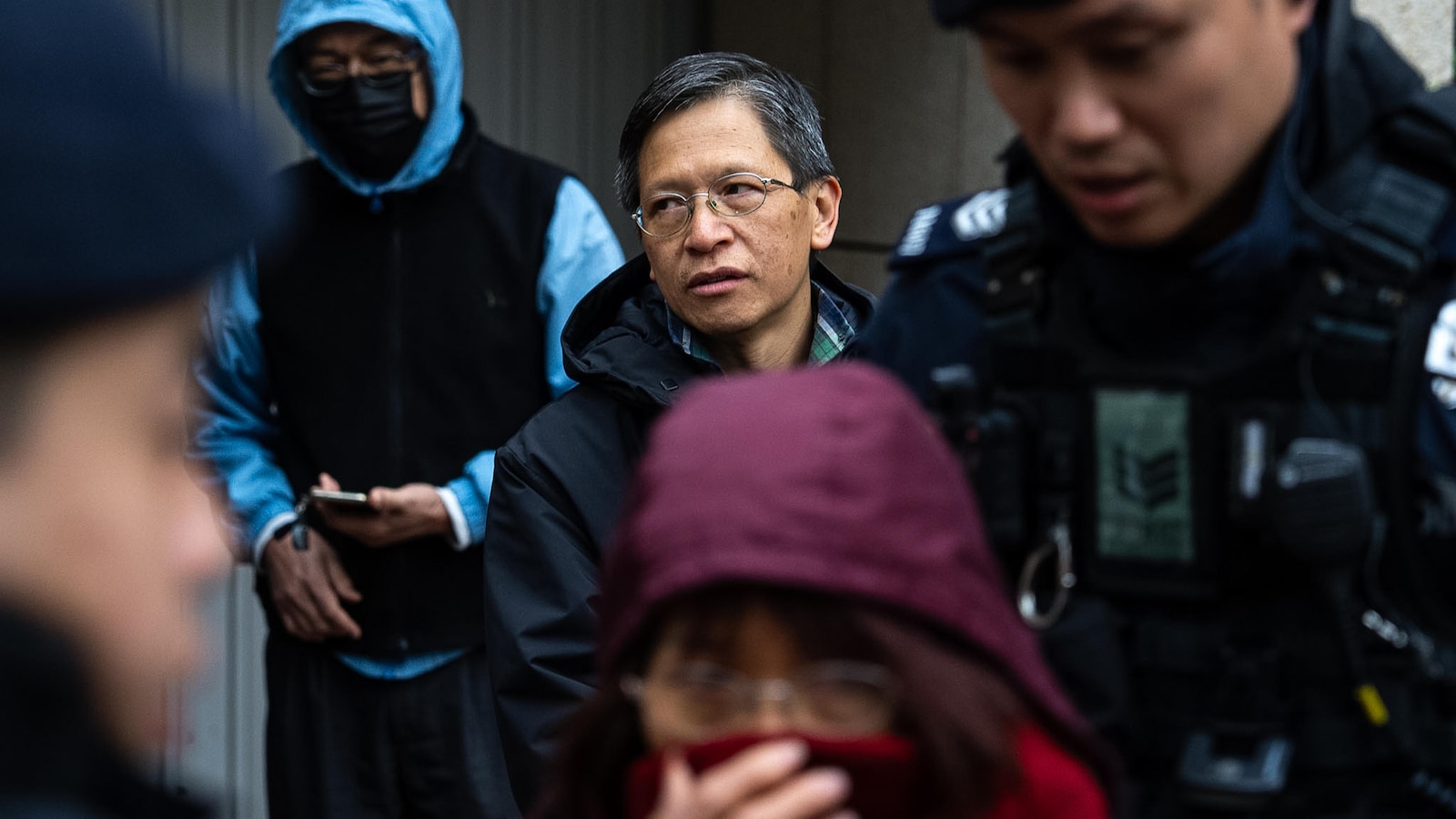
The trial of prominent figures involved in organizing Hong Kong's Tiananmen Square vigil has commenced, marking a significant moment in the city's ongoing struggle for political expression. This trial is part of a broader crackdown on dissent following the imposition of the national security law in 2020.
Trial Commences Amid Heightened Tensions
In a landmark case that underscores the ongoing tensions surrounding political expression in Hong Kong, the trial of several prominent organizers of the Tiananmen Square vigil has officially begun. The vigil, which has been held annually in Hong Kong for over three decades to commemorate the 1989 crackdown on pro-democracy demonstrators in Beijing, has faced increasing scrutiny and repression since the implementation of the national security law in 2020.
Key Figures on Trial
The trial involves key figures from the Hong Kong Alliance in Support of Patriotic Democratic Movements of China, including its former chair, Lee Cheuk-yan, and other prominent activists. They are accused of inciting subversion of state power, a serious charge under the national security law that has been used to silence dissent and curb freedoms in the city.
Background of the Vigil
The Tiananmen vigil has been a symbol of Hong Kong's unique political identity, representing a space where citizens could openly mourn the victims of the 1989 crackdown and advocate for democratic reforms in China. However, in recent years, authorities have increasingly targeted the vigil, citing national security concerns as justification for its suppression. In 2020, the police banned the annual event for the first time, leading to widespread protests and arrests.
International Reactions
The trial has drawn international condemnation, with human rights organizations and foreign governments expressing concern over the erosion of freedoms in Hong Kong. The United States has criticized the Chinese government for its actions, calling the trial a blatant attempt to stifle political dissent and undermine the autonomy promised to Hong Kong under the 'one country, two systems' framework.
Implications for Civil Society
The proceedings are seen as a critical moment for civil society in Hong Kong, raising questions about the future of activism and political expression in the city. Many observers fear that the trial could set a precedent for further crackdowns on dissent, as authorities continue to tighten their grip on various aspects of life in Hong Kong.
Defense Strategies
During the trial, the defense team is expected to argue that the charges are politically motivated and that the defendants were merely exercising their rights to free expression and assembly. Legal experts have noted that the national security law has created an environment where the line between legitimate political activity and criminal behavior has become increasingly blurred.
Public Sentiment
Public sentiment regarding the trial is mixed, with some citizens expressing support for the activists, while others fear the repercussions of standing against the government. The trial has sparked discussions among Hong Kong residents about the importance of preserving their rights and freedoms, even in the face of mounting pressure from authorities.
Conclusion
As the trial unfolds, it remains to be seen how the outcome will affect the landscape of political activism in Hong Kong. Many are watching closely, as the implications of this case extend beyond the courtroom, potentially shaping the future of civil liberties in the city and the broader region.