Navigating Taiwan's Future: A Blend of Democracy, Technology, and Culture
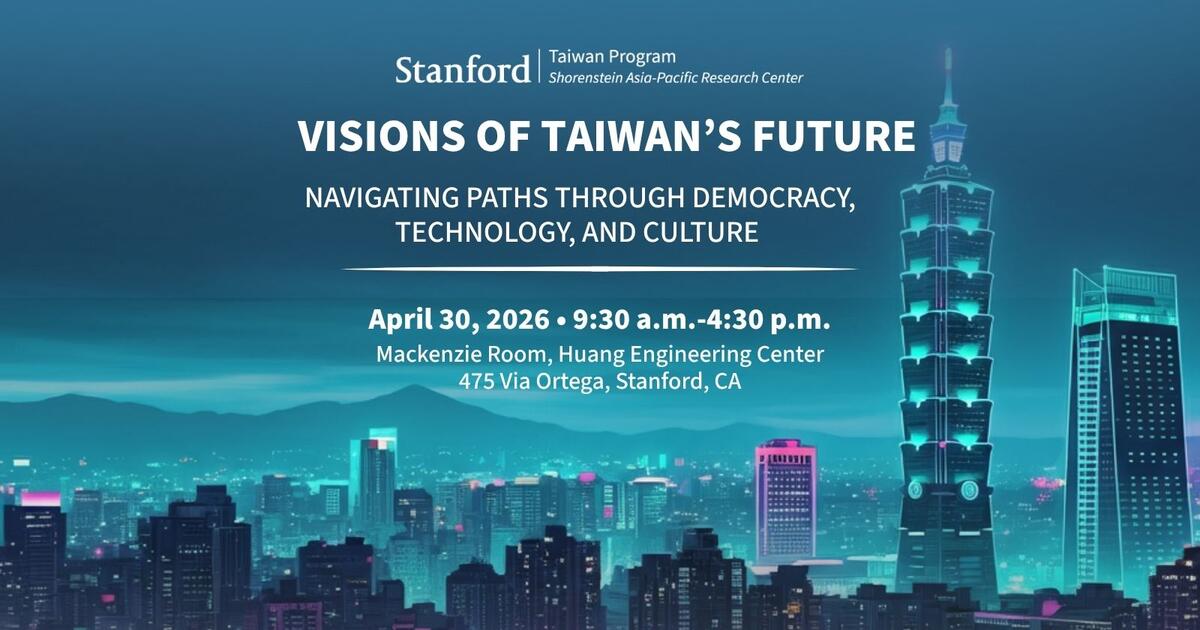
Taiwan stands at a crossroads, balancing its democratic values with technological advancements and cultural heritage. This report explores the multifaceted paths Taiwan may take in shaping its future amidst regional tensions and global opportunities.
Introduction
Taiwan is a vibrant democracy that has made significant strides in technology and cultural expression. As it navigates its future, the island faces crucial decisions that will shape its identity and position in the international arena.
Democracy at the Core
At the heart of Taiwan's identity is its commitment to democracy. Since the late 20th century, Taiwan has transformed from an authoritarian regime to a thriving democracy, characterized by free elections, a robust civil society, and active political engagement. This democratic foundation has not only empowered citizens but has also fostered a sense of national identity distinct from mainland China.
Technological Innovations
In recent years, Taiwan has emerged as a global leader in technology, particularly in semiconductor manufacturing. Companies like TSMC (Taiwan Semiconductor Manufacturing Company) have positioned Taiwan as a critical player in the global supply chain. The government is actively promoting initiatives to enhance digital infrastructure and innovation, aiming to secure Taiwan's status as a technology hub in Asia.
Cultural Renaissance
Alongside its political and technological advancements, Taiwan is experiencing a cultural renaissance. The island's rich history and diverse influences have given rise to a unique cultural landscape that blends traditional practices with modern expressions. From vibrant art scenes to culinary innovations, Taiwan's culture is a testament to its resilience and creativity.
Challenges on the Horizon
Despite its achievements, Taiwan faces significant challenges. The ongoing tensions with mainland China pose a constant threat to its sovereignty and democratic values. China's increasing assertiveness in the region has led to heightened military tensions and diplomatic isolation for Taiwan. In this context, Taiwan must navigate its relationships with global powers, particularly the United States, which has expressed support for Taiwan's self-defense and democratic governance.
International Relations and Global Positioning
As Taiwan seeks to bolster its international presence, it is exploring new partnerships beyond traditional allies. The island is actively engaging with countries in the Indo-Pacific region, promoting trade and cultural exchanges. Taiwan's participation in international organizations, although limited due to diplomatic recognition issues, remains a priority for its government.
The Role of Youth and Civic Engagement
The youth of Taiwan play a pivotal role in shaping the island's future. With a strong sense of social responsibility, young people are increasingly involved in civic activities, advocating for issues such as environmental sustainability, social justice, and human rights. Their engagement reflects a broader trend of political activism that is reshaping Taiwan's democratic landscape.
Conclusion
As Taiwan navigates the complex interplay of democracy, technology, and culture, it stands at a critical juncture. The choices made today will not only define its future but also influence the broader geopolitical landscape in Asia. With its resilient spirit and commitment to democratic values, Taiwan is poised to carve out a path that honors its past while embracing the opportunities of the future.