New Accountability System for Hong Kong Civil Servants Raises Concerns
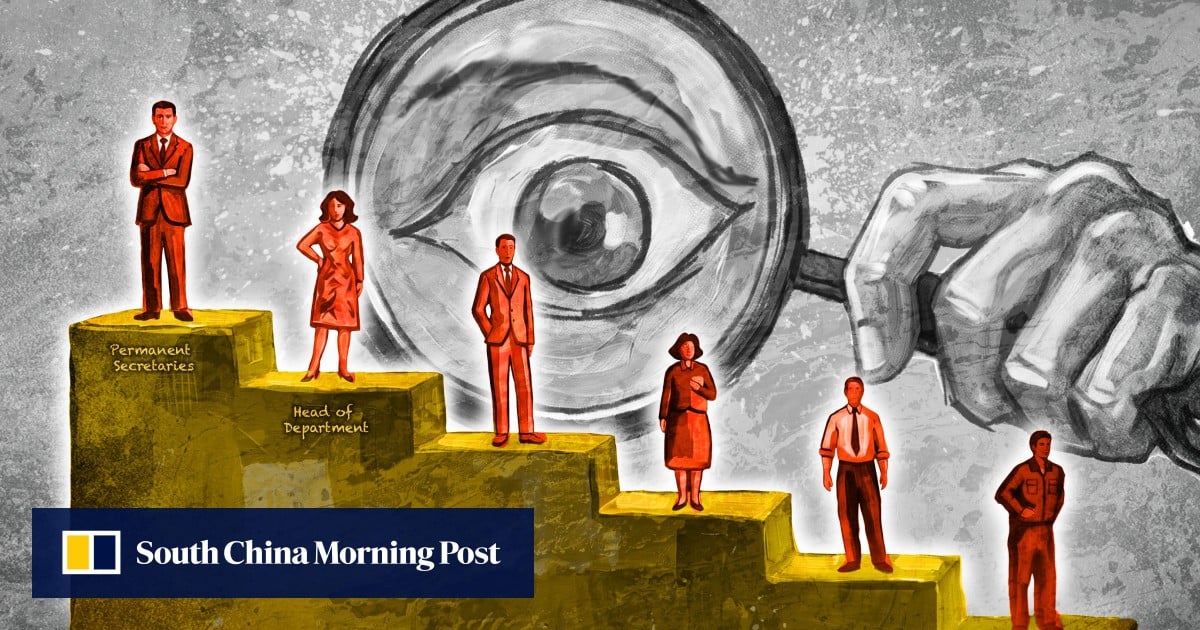
A new accountability framework for civil servants in Hong Kong is set to be implemented, aiming to enhance governance and public trust. However, critics warn that it may lead to a culture of fear and hinder effective decision-making.
Introduction
In a significant shift in governance, the Hong Kong government is set to introduce a new accountability system for civil servants, which has sparked a heated debate among public officials, political analysts, and citizens alike. The initiative aims to enhance transparency and responsibility within the public sector, but concerns are mounting regarding its potential implications on decision-making and the overall efficiency of governance.
The New Accountability Framework
The new system, which is expected to take effect in the coming months, will hold civil servants accountable for their actions and decisions, particularly in high-stakes situations. Under this framework, officials could face disciplinary actions or even termination if their decisions lead to significant public dissatisfaction or operational failures. This move is seen as an attempt to restore public trust in the government, which has been eroded in recent years due to various controversies and missteps.
Public Reaction and Concerns
While the government's intentions may be noble, critics argue that the new accountability measures could create a culture of fear among civil servants. Many fear that the threat of repercussions may lead to overly cautious decision-making, stifling innovation and responsiveness in a rapidly changing environment. Some officials have expressed concerns that the system could discourage them from taking necessary risks or making bold decisions that could ultimately benefit the public.
Potential Impact on Governance
Political analysts warn that the introduction of such a system could have unintended consequences. The emphasis on accountability may lead to a blame culture where officials are more focused on avoiding mistakes rather than prioritizing effective governance. This shift could hinder collaboration among departments and create an environment where civil servants are reluctant to share information or seek input from colleagues, ultimately impacting the quality of public services.
Historical Context
The push for greater accountability comes in the wake of several high-profile incidents that have drawn public ire, including the government's handling of the COVID-19 pandemic and various infrastructure projects that have faced criticism for delays and budget overruns. As the city grapples with these challenges, the government is under pressure to demonstrate its commitment to accountability and transparency.
Comparative Perspectives
Similar accountability measures have been implemented in various jurisdictions around the world, with mixed results. In some cases, such systems have successfully improved public trust and governance efficiency, while in others, they have led to bureaucratic paralysis and a lack of innovation. The Hong Kong government will need to carefully monitor the implementation of this new framework to ensure it strikes the right balance between accountability and effective governance.
Conclusion
As Hong Kong prepares to roll out this new accountability system for civil servants, the implications of such a move remain to be seen. While the intention to enhance governance and public trust is commendable, the potential risks associated with a culture of fear and blame must be addressed. The success of this initiative will ultimately depend on the government's ability to foster an environment where civil servants feel empowered to make decisions in the best interest of the public, without the looming threat of punitive measures.