New Study Reveals Efsubaglutide Alfa's Promising Effects on Glycaemia and β-Cell Function
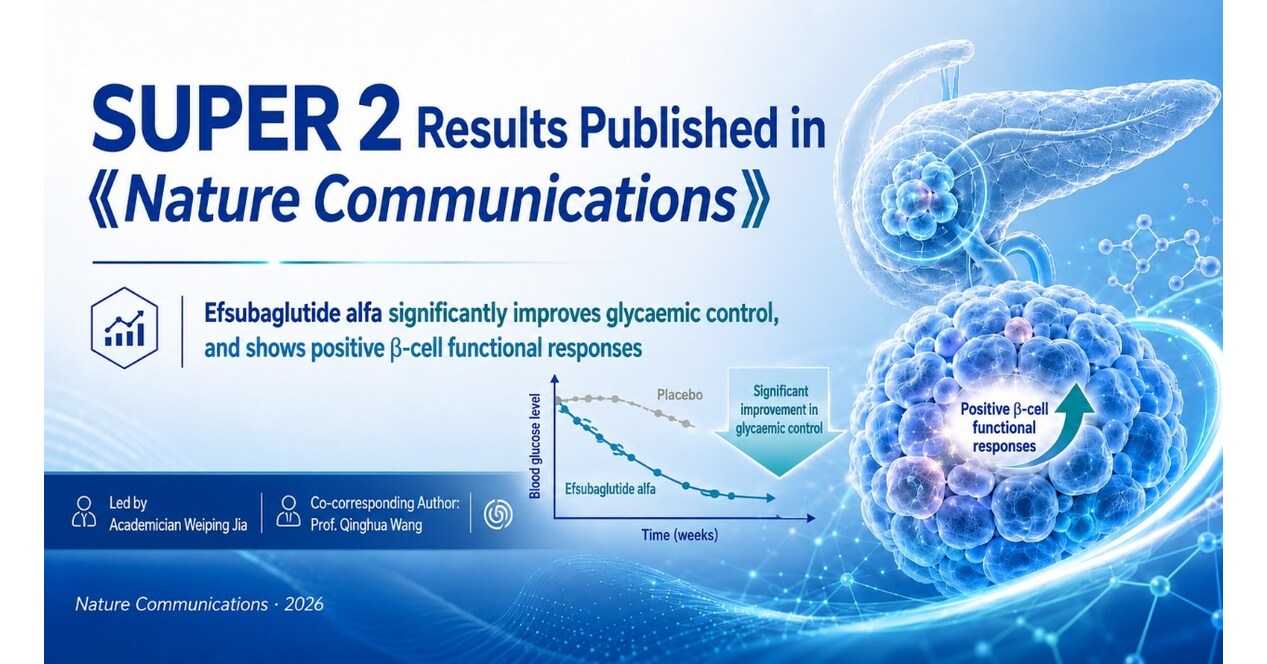
A recent publication in Nature Communications highlights the significant impact of Efsubaglutide Alfa on glycaemic control and pancreatic β-cell function. This breakthrough could pave the way for new treatments in diabetes management globally.
Introduction
In a groundbreaking study published in the esteemed journal Nature Communications, researchers have unveiled the promising effects of Efsubaglutide Alfa, a novel therapeutic agent, on glycaemic control and pancreatic β-cell function. This research marks a significant advancement in the ongoing battle against diabetes, a condition that affects millions worldwide.
Understanding Efsubaglutide Alfa
Efsubaglutide Alfa is a new drug designed to enhance the body’s ability to regulate blood sugar levels. It operates by mimicking the action of incretin hormones, which play a crucial role in glucose metabolism. By stimulating insulin secretion and inhibiting glucagon release, Efsubaglutide Alfa aims to improve glycaemic control in individuals with type 2 diabetes.
Key Findings of the Study
The study involved a comprehensive analysis of the drug's effects on both glycaemia and β-cell function. Researchers found that participants who received Efsubaglutide Alfa exhibited significant reductions in HbA1c levels, a key marker for long-term blood glucose control. Additionally, the drug demonstrated a positive influence on β-cell function, which is vital for insulin production and overall metabolic health.
Implications for Diabetes Management
The findings from this study have far-reaching implications for diabetes management. With the global prevalence of diabetes on the rise, effective treatments are more critical than ever. Efsubaglutide Alfa could represent a new class of medications that not only control blood sugar levels but also address the underlying issues related to β-cell dysfunction.
Research Methodology
The research team conducted a randomized, double-blind, placebo-controlled trial involving diverse participants diagnosed with type 2 diabetes. Over the course of the study, patients were administered varying doses of Efsubaglutide Alfa, allowing researchers to assess its efficacy and safety profile comprehensively. The results were analyzed using advanced statistical methods to ensure the reliability of the findings.
Safety and Tolerability
Safety is always a primary concern when introducing new medications. The study reported that Efsubaglutide Alfa was generally well-tolerated among participants, with adverse effects being mild to moderate in nature. Common side effects included gastrointestinal disturbances, which are often associated with incretin-based therapies. Long-term safety data will be essential as the drug moves closer to potential approval.
Future Directions
As the research community continues to explore the full potential of Efsubaglutide Alfa, further studies are planned to evaluate its long-term effects and effectiveness in diverse populations. The goal is to establish comprehensive guidelines for its use in clinical practice, ensuring that it can be integrated into diabetes management protocols worldwide.
Conclusion
The publication of this study in Nature Communications represents a significant milestone in diabetes research. Efsubaglutide Alfa holds the promise of transforming the landscape of diabetes treatment, offering hope to millions affected by this chronic condition. As researchers continue to investigate its potential, the medical community remains optimistic about the future of diabetes management.