New Study Reveals Link Between Pro-Inflammatory Diets and Depression Risk in Women
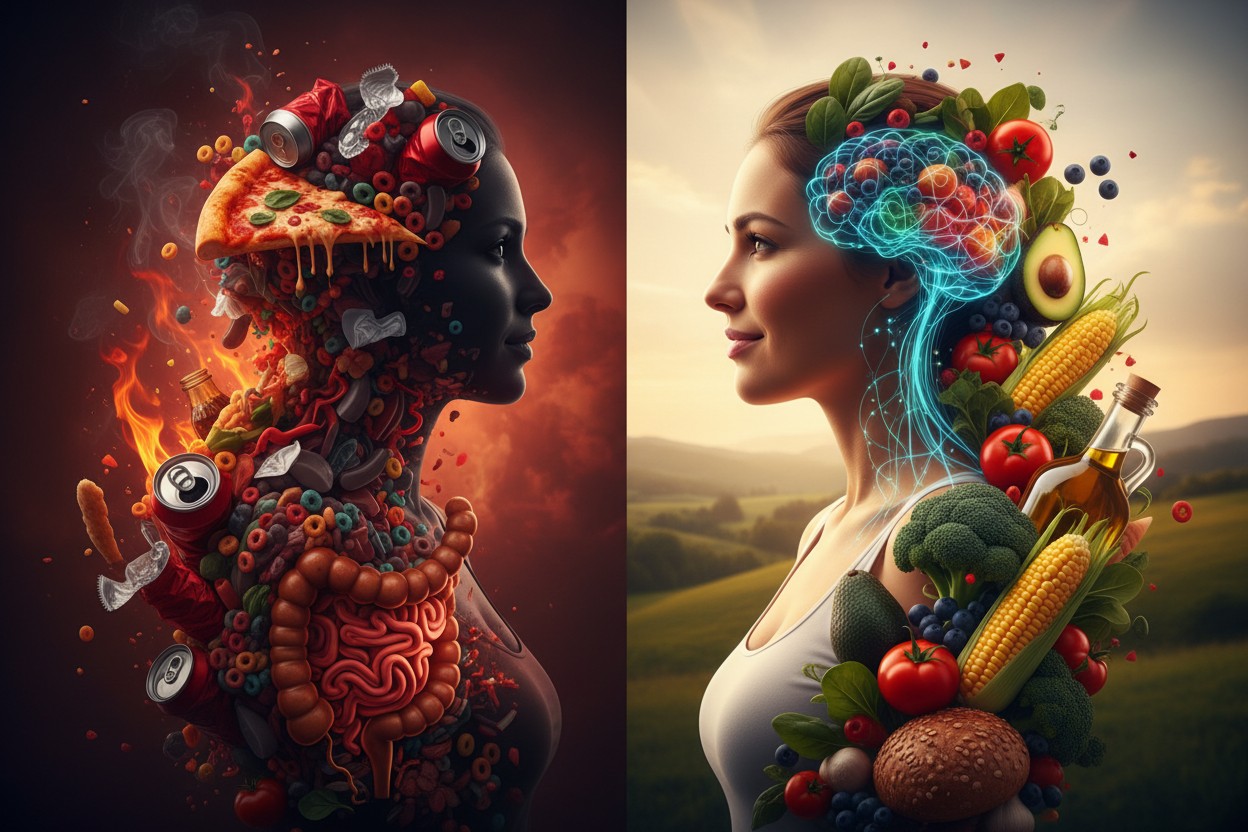
A recent study has found a significant connection between pro-inflammatory diets and increased depression risk, particularly among women. The findings highlight the importance of dietary choices in mental health management.
Introduction
A recent study has drawn attention to the impact of dietary choices on mental health, revealing a concerning link between pro-inflammatory diets and a higher risk of depression, especially in women. This research adds to the growing body of evidence that suggests our eating habits can significantly influence our mental well-being.
The Study
The study, published in a peer-reviewed journal, analyzed the dietary patterns of thousands of participants, focusing on the consumption of pro-inflammatory foods. These foods, which include refined carbohydrates, sugary beverages, and processed meats, are known to promote inflammation in the body. Researchers found that women who adhered to a diet high in these inflammatory foods exhibited a notably higher incidence of depression compared to those who consumed a more balanced diet rich in fruits, vegetables, whole grains, and healthy fats.
Key Findings
One of the most striking findings of the study was the disparity between genders. While both men and women were affected by dietary choices, the correlation between pro-inflammatory diets and depression was significantly stronger in women. This raises important questions about the biological and social factors that may contribute to this difference, including hormonal fluctuations and societal pressures that can affect women's mental health.
Implications for Mental Health
The implications of this study are profound, particularly in the context of mental health management. As mental health issues continue to rise globally, understanding the role of diet in mental well-being is crucial. Experts suggest that individuals, especially women, should be encouraged to adopt anti-inflammatory diets as a preventative measure against depression. This includes increasing the intake of omega-3 fatty acids found in fish, nuts, and seeds, as well as consuming more fruits and vegetables, which are rich in antioxidants.
Public Health Recommendations
Public health officials are urged to consider these findings when developing mental health initiatives. Nutrition education should be integrated into mental health programs, emphasizing the importance of diet in emotional health. Additionally, healthcare providers are encouraged to discuss dietary habits with their patients as part of a holistic approach to mental health treatment.
Conclusion
As we continue to navigate the complexities of mental health, this study serves as a reminder of the powerful connection between what we eat and how we feel. By making informed dietary choices, individuals can take proactive steps toward improving their mental health. The link between pro-inflammatory diets and depression, particularly in women, underscores the need for a greater focus on nutrition in mental health discussions.
Call to Action
In light of these findings, it is essential for individuals to evaluate their dietary habits and consider making changes that could enhance their mental well-being. Communities should also advocate for better access to healthy food options, ensuring that everyone has the opportunity to make choices that support both physical and mental health.