Nine Individuals Charged in Taiwan Over Smuggling of Nvidia Servers to China
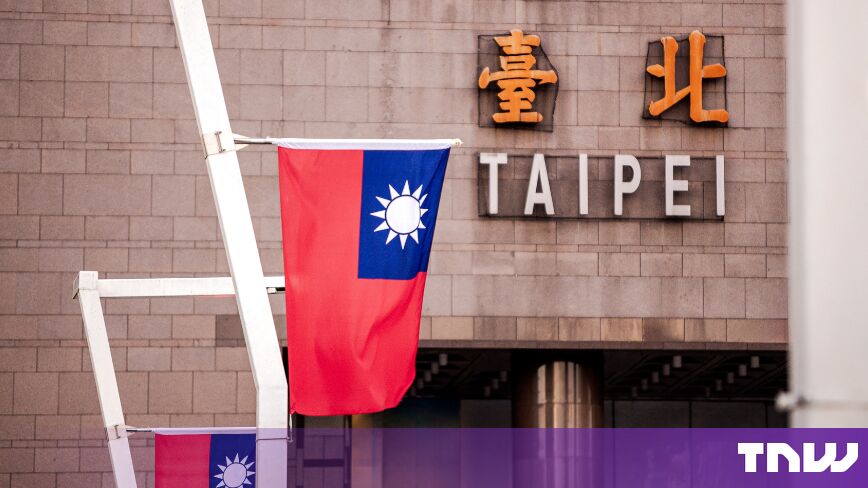
Nine people in Taiwan have been charged for attempting to smuggle over 130 Nvidia B300 servers to mainland China, raising concerns over technology transfer and export regulations. This incident highlights the ongoing tensions and regulatory scrutiny surrounding high-tech exports in the region.
Introduction
In a significant development that underscores the complexities of international technology trade, Taiwanese authorities have charged nine individuals with attempting to smuggle over 130 Nvidia B300 servers to mainland China. This incident not only raises questions about compliance with export regulations but also highlights the ongoing geopolitical tensions surrounding advanced technology transfers between Taiwan and China.
The Charges
The nine suspects, including both Taiwanese nationals and foreign individuals, were apprehended as part of a coordinated operation by Taiwan's Ministry of Justice. They are accused of violating the country’s export control laws, which are designed to prevent sensitive technology from falling into the hands of potential adversaries. The Nvidia B300 servers, known for their high-performance computing capabilities, are particularly valuable for applications in artificial intelligence and machine learning, making them a target for smuggling operations.
Background on Nvidia B300 Servers
Nvidia's B300 servers are part of the company’s cutting-edge technology portfolio, widely used in data centers and for AI research. With the increasing demand for advanced computing power, these servers have become a focal point in the global tech race, especially between the United States and China. The servers' advanced capabilities make them critical for various applications, including AI development, which is a key area of competition in the tech industry.
Geopolitical Context
The incident comes amid heightened tensions between Taiwan and China, with the latter claiming sovereignty over the island. Taiwan, on the other hand, has been strengthening its defenses and asserting its independence. The smuggling attempt reflects the broader concerns about technology transfer and the potential for sensitive technology to be used in military applications by China. This has led to stricter regulations and increased scrutiny of exports from Taiwan to mainland China.
Legal Implications
If convicted, the nine individuals could face severe penalties under Taiwan's laws governing export controls. The Taiwanese government has been proactive in enforcing these regulations, particularly concerning high-tech products that could enhance military capabilities. This case serves as a reminder of the legal risks associated with technology smuggling, not just for individuals but also for companies that may inadvertently become involved in such activities.
Industry Reactions
The technology industry in Taiwan has expressed concern over the implications of this case. Many companies are now reassessing their export practices to ensure compliance with local and international laws. The incident has sparked discussions about the need for clearer guidelines and better education regarding export controls, especially in the rapidly evolving tech landscape.
Conclusion
The charges against the nine individuals in Taiwan highlight the intricate relationship between technology, law, and international relations. As the world becomes increasingly interconnected, the enforcement of export controls will likely become more stringent, particularly for sensitive technologies. This incident serves as a critical reminder for individuals and companies alike to remain vigilant and informed about the legal frameworks governing technology exports.