No Justice for Tiananmen Massacre 37 Years On: A Call for Accountability
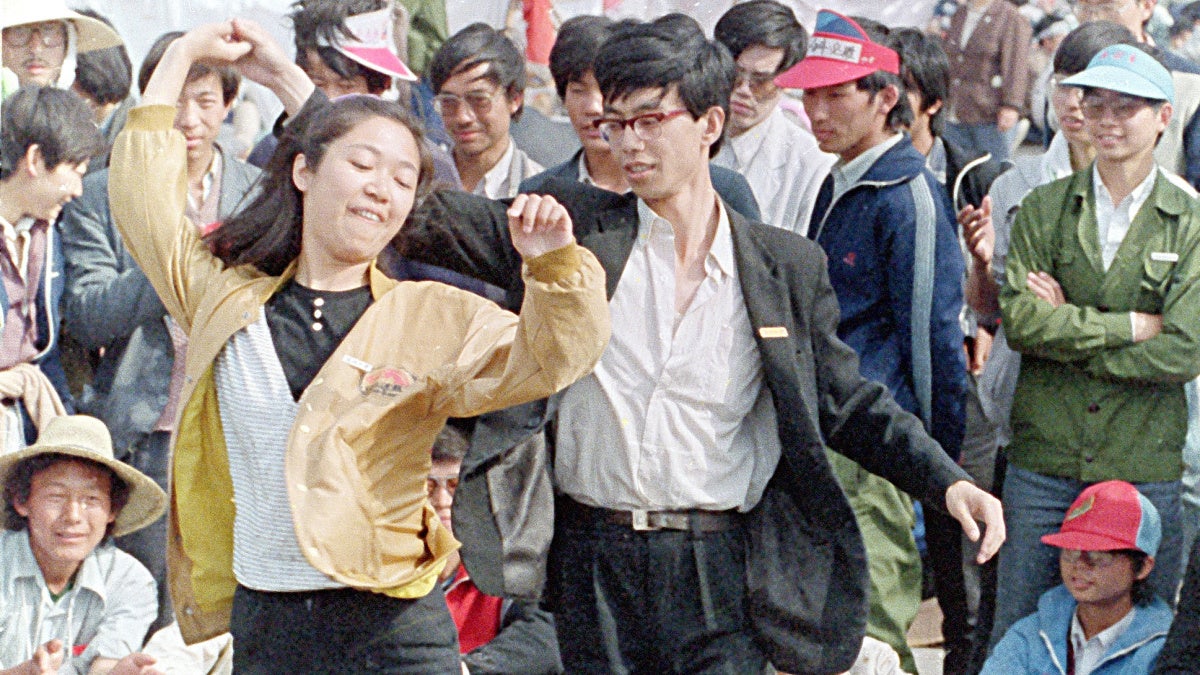
As the 37th anniversary of the Tiananmen Square Massacre approaches, Human Rights Watch highlights the ongoing struggle for justice and accountability in China. Despite international outcry, the Chinese government continues to suppress discussions surrounding the events of June 4, 1989.
The Unforgotten Tragedy
As the world marks the 37th anniversary of the Tiananmen Square Massacre, the shadow of this tragic event looms large over China. On June 4, 1989, thousands of pro-democracy demonstrators gathered in Beijing's Tiananmen Square, calling for political reform and greater freedoms. The Chinese government responded with a brutal military crackdown, resulting in an unknown number of deaths and injuries. Despite the passage of nearly four decades, the quest for justice remains elusive, with the Chinese authorities continuing to suppress any discussion or commemoration of the events.
Human Rights Watch's Findings
According to a recent report by Human Rights Watch, the Chinese government has not only failed to hold accountable those responsible for the massacre but has actively worked to erase the memory of the events from public consciousness. The organization highlights the ongoing repression of dissent in China, where any attempt to commemorate the massacre is met with swift and severe punishment. Activists, journalists, and ordinary citizens who dare to speak out face harassment, imprisonment, and even torture.
International Response
The international community has repeatedly called for accountability and justice for the victims of the Tiananmen Square Massacre. However, these calls have largely gone unheeded by the Chinese government, which maintains a tight grip on information and public discourse. The lack of accountability has led to a culture of impunity, where human rights abuses are commonplace and dissent is silenced.
Commemoration and Resistance
Despite the risks, many activists and organizations continue to commemorate the massacre, both within China and abroad. In Hong Kong, the annual candlelight vigil in Victoria Park has been a focal point for remembrance and protest. However, following the imposition of the National Security Law in 2020, authorities have cracked down on such gatherings, citing public health concerns and the need to maintain order. This year, the vigil is expected to be heavily monitored, with participants facing the threat of arrest.
The Role of the Younger Generation
As time passes, the younger generation in China grows increasingly disconnected from the events of 1989. Many are unaware of the significance of Tiananmen Square, as discussions about the massacre are systematically erased from educational curricula and public discourse. This generational gap poses a challenge for activists who seek to keep the memory of the massacre alive and advocate for political reform.
Looking Ahead
The lack of justice for the Tiananmen Square Massacre serves as a stark reminder of the ongoing struggle for human rights and political freedoms in China. As the anniversary approaches, it is crucial for the international community to continue advocating for accountability and to stand in solidarity with those who risk their lives to speak out against oppression. The fight for justice may be long and arduous, but it is a battle that must be fought for the sake of the victims and future generations.
Conclusion
The Tiananmen Square Massacre remains a pivotal moment in China's history, one that continues to shape the country's political landscape. As we reflect on the events of June 4, 1989, it is imperative to remember the victims and to strive for a future where such atrocities are not repeated. The call for justice is not just a demand for accountability; it is a demand for the fundamental rights and freedoms that every individual deserves.