Oil Prices Surge Following Iran Strikes and Hormuz Shipping Incident
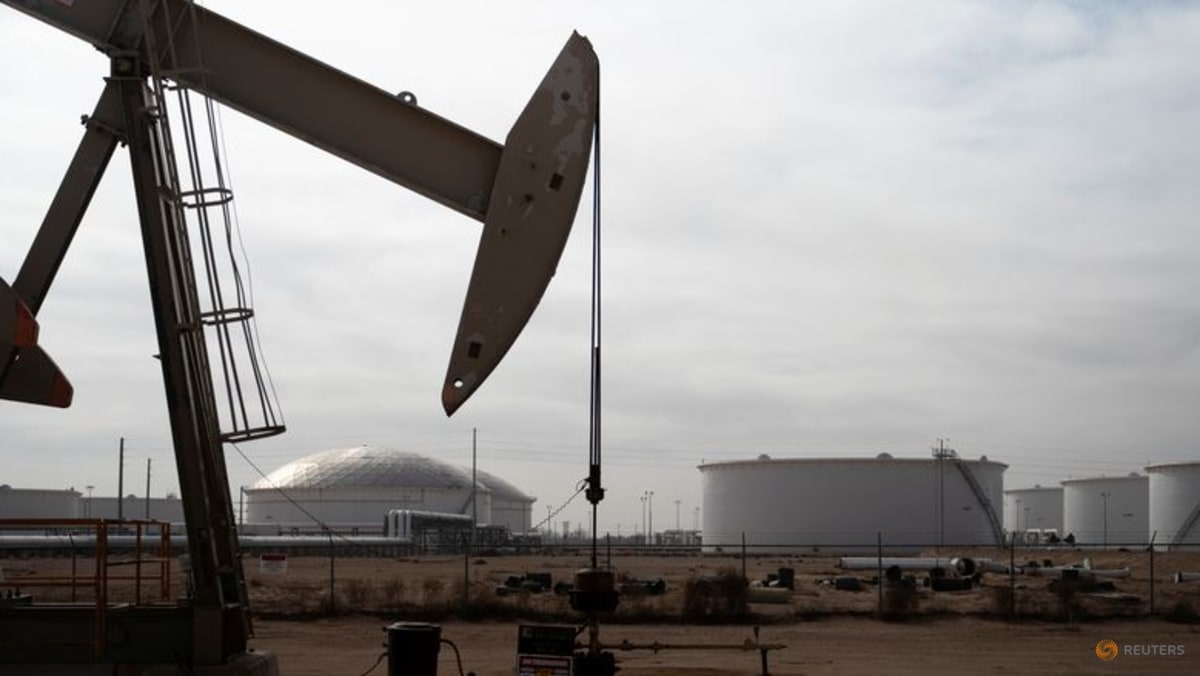
Recent military actions by Iran and an incident in the Strait of Hormuz have led to a significant spike in oil prices. Analysts warn that ongoing geopolitical tensions could further disrupt global oil supplies.
Introduction
In a dramatic turn of events, oil prices have surged following a series of military strikes by Iran and a shipping incident in the strategically vital Strait of Hormuz. This escalation has raised concerns over the stability of oil supplies, prompting reactions from markets and governments worldwide.
Details of the Incident
The situation escalated when Iranian forces launched missile strikes targeting vessels in the Strait of Hormuz, a crucial maritime route through which approximately 20% of the world's oil passes. The incident has not only heightened tensions in the region but has also raised alarms among international shipping companies and oil traders.
Market Reaction
As news of the strikes broke, oil prices jumped sharply, with Brent crude rising by more than 5% within hours. Analysts noted that this increase reflects market fears of potential supply disruptions, as the Strait of Hormuz is a critical chokepoint for global oil transportation. The immediate impact was felt across various sectors, with energy stocks seeing significant gains while broader markets reacted with caution.
Geopolitical Implications
The Iranian government has justified its military actions as necessary for national security, claiming that foreign vessels pose a threat to its territorial integrity. Conversely, the United States and its allies have condemned the strikes, labeling them as aggressive provocations that could lead to further escalation in the region.
In response to the incident, the U.S. Navy has increased its presence in the Gulf, conducting patrols to ensure the safety of shipping lanes. This military buildup has drawn criticism from Iran, which has warned that such actions could lead to a broader conflict.
Impact on Global Oil Supply
Experts are closely monitoring the situation, as continued instability in the region could have far-reaching consequences for global oil supply and prices. The International Energy Agency (IEA) has indicated that any sustained disruption in the Strait of Hormuz could lead to a significant increase in oil prices, potentially reaching levels not seen since the early 2010s.
Moreover, countries heavily reliant on oil imports, particularly in Europe and Asia, are bracing for potential economic repercussions. Higher oil prices could lead to increased inflation and impact consumer spending, further complicating the post-pandemic recovery efforts.
Future Outlook
As the situation unfolds, analysts are urging governments and international organizations to seek diplomatic solutions to de-escalate tensions. The potential for further military action remains high, and the global community is watching closely to see how both Iran and the U.S. will respond in the coming days.
In conclusion, the recent strikes by Iran and the subsequent shipping incident in the Strait of Hormuz have created a volatile environment for oil markets. With prices on the rise and geopolitical tensions escalating, the world is left to ponder the implications for energy security and economic stability in the months ahead.