Panama Accuses China of Seizing Its Ships After Canal Dispute
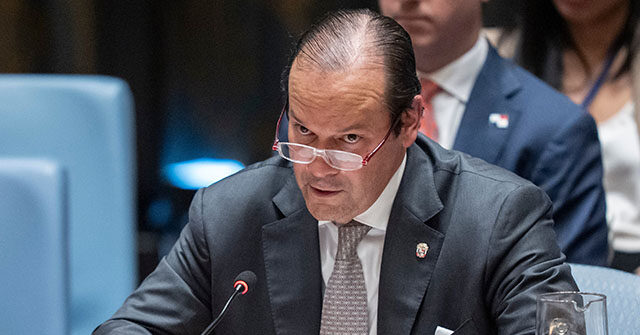
Panama has accused China of seizing its ships following a diplomatic fallout over the Panama Canal. This incident raises concerns about maritime security and international relations in the region.
Background of the Dispute
The recent diplomatic tensions between Panama and China have escalated dramatically, with Panama accusing China of seizing its vessels after the Central American nation was expelled from the Panama Canal. This situation has raised alarms about the implications for maritime security and international relations, particularly in the context of China's growing influence in Latin America.
Details of the Allegations
According to Panamanian officials, several ships registered under the Panamanian flag have reportedly been detained by Chinese authorities in what they describe as an unlawful seizure. The allegations come on the heels of Panama's decision to terminate contracts with Chinese companies involved in the management and operation of the Panama Canal, citing concerns over transparency and governance.
China's Response
China has not officially commented on the allegations but has expressed its commitment to maintaining strong economic ties with Panama. The Chinese government has emphasized the importance of the Panama Canal as a vital shipping route and has indicated that it seeks to resolve any misunderstandings through diplomatic channels.
Implications for Maritime Security
This incident raises significant concerns regarding maritime security in the region. The Panama Canal is a crucial conduit for global trade, and any disruption in its operations could have far-reaching consequences for international shipping routes. Analysts are closely monitoring the situation, as further escalation could lead to increased tensions not only between Panama and China but also among other nations that rely on the canal for trade.
Reactions from the International Community
Reactions from the international community have been mixed. While some nations have expressed support for Panama's stance, others have urged both parties to engage in dialogue to resolve the situation amicably. The United States, which has historically maintained a significant interest in the Panama Canal, has called for a peaceful resolution and has reiterated its commitment to supporting Panama's sovereignty.
Historical Context
The Panama Canal, completed in 1914, has long been a focal point of international trade and geopolitics. In recent years, China has sought to expand its influence in Latin America through investments and infrastructure projects, raising concerns among some countries about the potential for increased Chinese dominance in the region. The current dispute highlights the delicate balance of power and the complexities of international relations in an increasingly multipolar world.
Future Prospects
As the situation unfolds, the future of Panama's relationship with China remains uncertain. Both nations will need to navigate these turbulent waters carefully to avoid further deterioration of diplomatic ties. Experts suggest that open communication and negotiation will be essential in resolving the current crisis and ensuring the continued stability of the Panama Canal as a vital artery of global trade.
Conclusion
The allegations of ship seizures and the subsequent diplomatic fallout underscore the intricate dynamics of international relations in the context of China's growing presence in Latin America. As Panama seeks to assert its sovereignty and protect its maritime interests, the world watches closely, aware that the implications of this dispute extend far beyond the shores of Central America.