People’s Bank of China Supports Hong Kong’s Yuan-Denominated Futures Trading
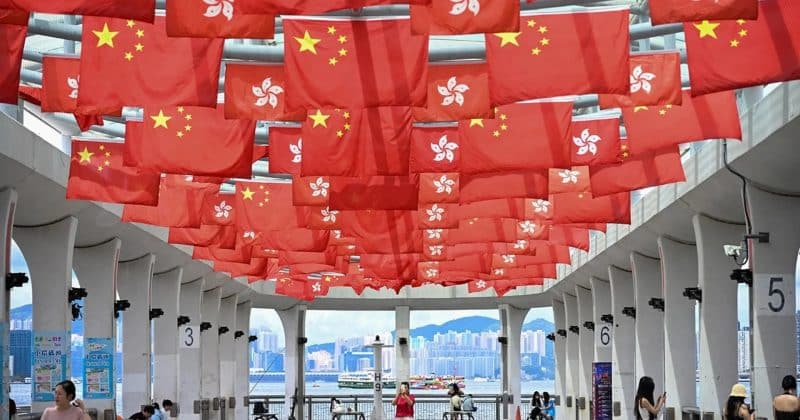
The People's Bank of China has officially backed the development of yuan-denominated futures trading in Hong Kong, signaling a significant step towards enhancing the city’s position as a financial hub. This move is expected to attract more international investors and bolster the use of the yuan in global markets.
Introduction
In a pivotal development for Hong Kong's financial landscape, the People’s Bank of China (PBoC) has announced its support for yuan-denominated futures trading in the city. This endorsement marks a significant step towards reinforcing Hong Kong's status as a leading financial hub in Asia and globally, particularly in the context of increasing international interest in the Chinese yuan.
The Role of the People’s Bank of China
The PBoC, China’s central bank, has been instrumental in promoting the internationalization of the yuan. By backing Hong Kong's yuan-denominated futures trading, the PBoC aims to enhance the currency's appeal among international investors and facilitate its use in global markets. This initiative is part of a broader strategy to encourage the adoption of the yuan in international trade and finance, especially as China continues to expand its economic influence worldwide.
Implications for Hong Kong’s Financial Market
Hong Kong has long been recognized as a gateway for foreign investment into China, and the introduction of yuan-denominated futures trading is expected to further solidify this role. By providing a platform for trading futures contracts in yuan, Hong Kong can attract a wider array of investors looking to hedge against currency fluctuations and gain exposure to the Chinese market.
This move is particularly timely as global interest in the yuan has been on the rise, driven by China's robust economic recovery post-COVID-19 and its increasing trade partnerships. Analysts believe that the establishment of yuan-denominated futures could lead to greater liquidity in the market and enhance price discovery mechanisms, ultimately benefiting both local and international traders.
Potential Challenges Ahead
Despite the optimistic outlook, there are challenges that Hong Kong may face in this endeavor. The city is currently navigating a complex political landscape, with ongoing tensions between local governance and mainland authorities. Additionally, the competition from other financial hubs, such as Singapore and Tokyo, poses a significant challenge as they also vie for a share of the growing yuan-denominated trading market.
Moreover, regulatory frameworks will need to be established to ensure that the futures market operates transparently and efficiently. This will require collaboration between the Hong Kong Monetary Authority and the PBoC to create a conducive environment for trading while safeguarding against potential market volatility.
Conclusion
The PBoC's endorsement of yuan-denominated futures trading in Hong Kong is a landmark development that could reshape the financial dynamics of the region. As the city strives to maintain its competitive edge in the global financial arena, this initiative could attract more international investors and reinforce the yuan's position as a significant currency in global trade.
As Hong Kong moves forward with this initiative, the financial community will be closely watching how it unfolds and the potential impacts on both the local and international markets. The success of this venture could set a precedent for other financial centers looking to capitalize on the growing influence of the yuan in the global economy.