Phase III OptiTROP-Lung05 Study Results of Sacituzumab Tirumotecan Unveiled at ASCO
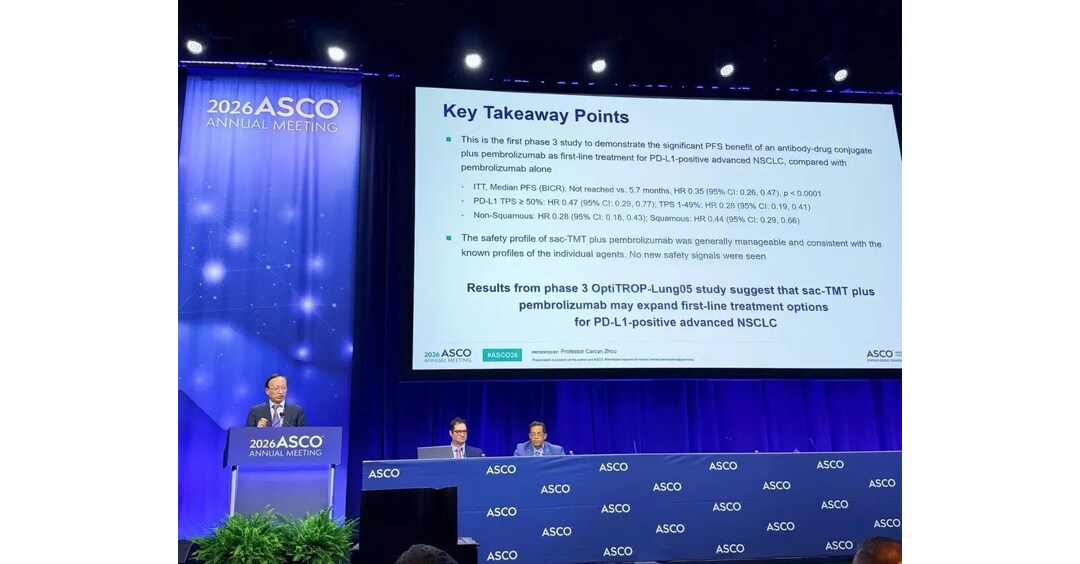
The Phase III OptiTROP-Lung05 study results of Sacituzumab Tirumotecan (sac-TMT) have been presented at the American Society of Clinical Oncology (ASCO) conference and published in The Lancet. This promising treatment offers new hope for patients with advanced lung cancer.
Groundbreaking Results from the Phase III OptiTROP-Lung05 Study
In a significant advancement in the fight against lung cancer, the results of the Phase III OptiTROP-Lung05 study of Sacituzumab Tirumotecan (sac-TMT) were presented at the American Society of Clinical Oncology (ASCO) conference and simultaneously published in The Lancet. This innovative treatment has shown promising efficacy in patients with advanced lung cancer, particularly those who have previously undergone multiple lines of therapy.
Understanding Sacituzumab Tirumotecan
Sacituzumab Tirumotecan is a novel antibody-drug conjugate that targets tumor cells by delivering a potent chemotherapeutic agent directly to them. This targeted approach minimizes damage to healthy cells and enhances the overall effectiveness of the treatment. The OptiTROP-Lung05 study aimed to evaluate the efficacy and safety of sac-TMT in patients with advanced non-small cell lung cancer (NSCLC) who had received at least two prior lines of systemic therapy.
Key Findings from the Study
The study enrolled a diverse cohort of patients, with a primary endpoint of progression-free survival (PFS). The results demonstrated that patients treated with sac-TMT experienced a statistically significant improvement in PFS compared to those receiving standard chemotherapy. Specifically, the median PFS was reported to be 6.7 months for the sac-TMT group, compared to 4.0 months for the control group.
Additionally, the overall response rate (ORR) was markedly higher in the sac-TMT group, with 30% of patients achieving a partial or complete response, compared to just 12% in the control group. These findings underscore the potential of sac-TMT as a new standard of care for patients with advanced lung cancer.
Safety Profile and Tolerability
In terms of safety, the study reported that sac-TMT was generally well-tolerated. The most common adverse events included nausea, fatigue, and hematological toxicities, which were manageable and consistent with previous studies of similar agents. Importantly, the incidence of severe adverse events was comparable between the two treatment groups, suggesting that sac-TMT may offer a favorable safety profile.
Implications for Lung Cancer Treatment
The results of the OptiTROP-Lung05 study have significant implications for the treatment landscape of advanced lung cancer. With lung cancer being one of the leading causes of cancer-related deaths globally, the introduction of effective therapies like sac-TMT could improve patient outcomes and quality of life.
Experts in the field are optimistic about the potential of sac-TMT to become a key player in the treatment of advanced NSCLC, particularly for patients who have limited options due to prior therapies. The findings presented at ASCO and published in The Lancet are expected to stimulate further research and discussions on integrating sac-TMT into clinical practice.
Future Directions
As the medical community continues to explore the full potential of sac-TMT, ongoing studies will be essential to confirm these findings and further investigate the long-term benefits and safety of this treatment. Researchers are also looking into combining sac-TMT with other therapies to enhance its efficacy and broaden its applicability across different patient populations.
In conclusion, the Phase III OptiTROP-Lung05 study results mark a promising milestone in the development of targeted therapies for advanced lung cancer, offering hope to patients and healthcare providers alike.