Pope Leo's Silence on Jimmy Lai's 20-Year Sentence Raises Questions
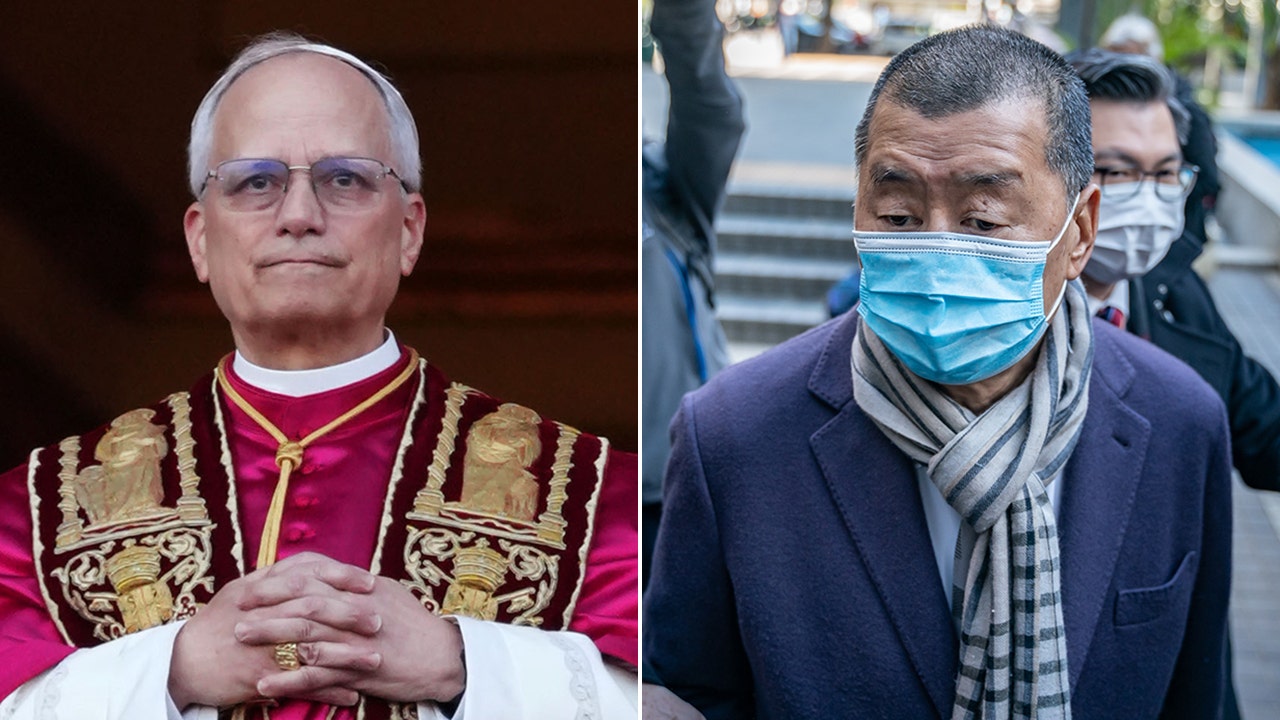
Pope Leo recently stated he cannot comment on the 20-year prison sentence handed to Hong Kong pro-democracy activist Jimmy Lai. This statement has sparked discussions about the role of international figures in addressing human rights issues in Hong Kong.
Pope Leo's Silence on Jimmy Lai's 20-Year Sentence Raises Questions
In a recent statement that has drawn significant attention, Pope Leo expressed his inability to comment on the 20-year prison sentence imposed on Hong Kong pro-democracy activist Jimmy Lai. This remark comes at a time when global scrutiny of Hong Kong's political climate and human rights situation is intensifying, particularly regarding the treatment of activists and dissenters.
Jimmy Lai, the founder of the pro-democracy newspaper Apple Daily, was sentenced to 20 years in prison for various charges, including conspiracy to collude with foreign forces. His case has become emblematic of the broader crackdown on dissent in Hong Kong, which has seen numerous activists jailed or forced into exile since the imposition of the National Security Law in 2020.
Pope Leo's comments were made during a press conference, where he was asked about the implications of Lai's sentence on the global perception of human rights in Hong Kong. The Pope's response, which emphasized his inability to provide a direct comment, has been interpreted in various ways. Some see it as a reflection of the Vatican's cautious approach to engaging with sensitive political issues, while others view it as an opportunity missed for a prominent figure to advocate for human rights.
The Vatican has historically maintained a delicate balance in its diplomatic relations with China, which complicates its stance on issues like those surrounding Lai. The Pope's silence on such a high-profile case raises questions about the effectiveness of international advocacy for human rights in regions where political repression is prevalent.
Activists and human rights organizations have criticized the Pope's lack of comment, arguing that silence in the face of injustice can be seen as complicity. “When world leaders and influential figures remain silent, it sends a message that these violations are acceptable,” said a spokesperson for Amnesty International. “We need voices like the Pope's to stand firmly against the erosion of democracy and human rights in Hong Kong.”
The international community has reacted strongly to Lai's sentencing, with numerous governments and organizations calling for his immediate release. The U.S. State Department condemned the ruling, labeling it a “politically motivated” attempt to silence dissent. Similarly, the European Union has expressed its concern over the deteriorating human rights situation in Hong Kong, urging the Chinese government to respect its international obligations.
In contrast, the Chinese government has defended Lai's sentence, asserting that it is a legitimate enforcement of the law aimed at safeguarding national security. This response underscores the complexities of the situation, as the Chinese authorities continue to assert control over Hong Kong, often dismissing international criticism as foreign interference.
As the situation unfolds, many are left wondering what role, if any, international figures like Pope Leo can play in advocating for change. The Pope's position is particularly significant given the Catholic Church's historical ties to social justice and human rights issues. However, the Vatican's cautious diplomacy raises questions about how far it is willing to go in confronting authoritarian regimes.
In conclusion, while Pope Leo's inability to comment on Jimmy Lai's sentence may reflect a broader diplomatic strategy, it also highlights the ongoing struggle for human rights in Hong Kong. As activists continue to fight for democracy and freedom, the silence of influential figures may resonate as a call to action for those who believe in the importance of standing up against oppression.