Pro-Democracy Media Tycoon Jimmy Lai Sentenced to 20 Years in Hong Kong
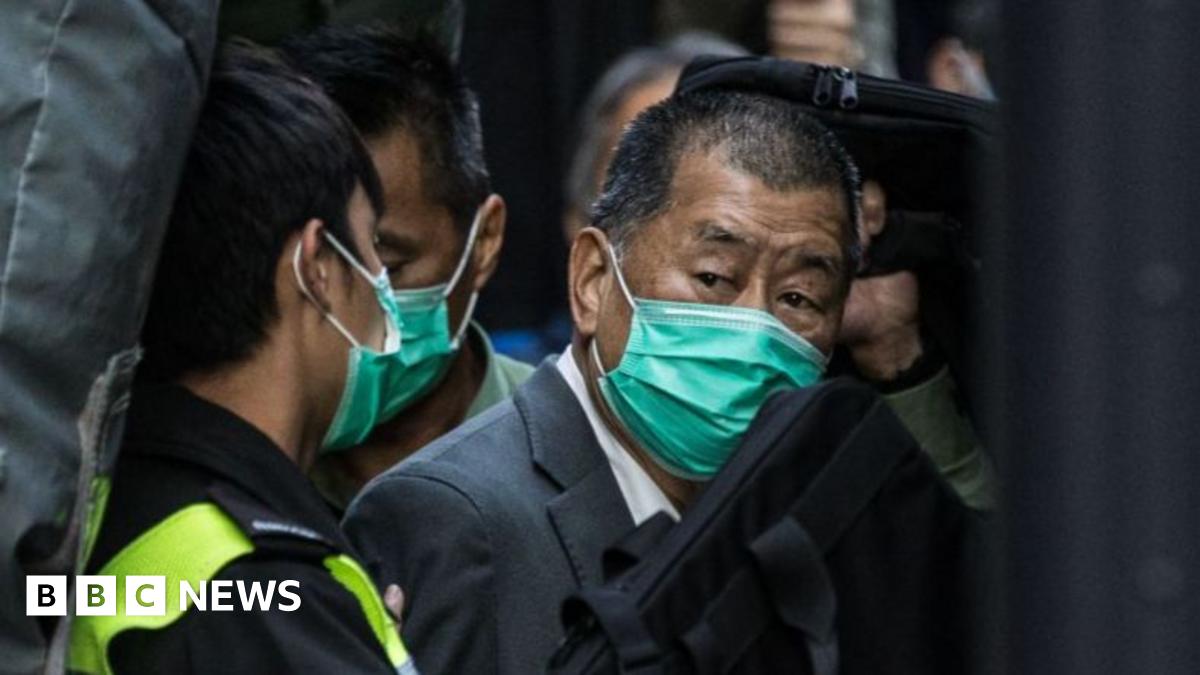
Jimmy Lai, a prominent pro-democracy figure and founder of the Apple Daily newspaper, has been sentenced to 20 years in prison by a Hong Kong court. This ruling marks a significant moment in the ongoing crackdown on dissent in the region.
Introduction
In a landmark ruling that underscores the ongoing tensions surrounding freedom of expression in Hong Kong, pro-democracy media tycoon Jimmy Lai has been sentenced to 20 years in prison. The founder of the now-defunct Apple Daily newspaper, Lai has been a vocal critic of the Hong Kong government and its ties to Beijing, making him a prominent figure in the pro-democracy movement.
Background
Jimmy Lai, 75, was convicted on multiple charges, including fraud and conspiracy to collude with foreign forces, under the controversial National Security Law imposed by Beijing in 2020. The law has been widely criticized for its broad definitions and its chilling effect on free speech and political dissent in the city.
Apple Daily, known for its staunch pro-democracy stance, was forced to shut down in June 2021 after authorities froze its assets and arrested several of its senior staff members. Lai's imprisonment is seen as part of a broader campaign by the Hong Kong government to silence dissent and curb the pro-democracy movement that gained momentum during the 2019 protests.
The Court's Decision
The sentencing took place at the High Court in Hong Kong, where the judge emphasized the severity of Lai's actions, stating that they posed a significant threat to national security. The prosecution argued that Lai had used his media platform to incite unrest and promote foreign interference in Hong Kong's affairs, a claim that has been met with skepticism by international observers.
During the trial, Lai's defense team argued that his actions were protected under the right to free speech and that the charges against him were politically motivated. They highlighted the role of independent journalism in holding power to account and warned that Lai's conviction sets a dangerous precedent for media freedom in Hong Kong.
International Reaction
The sentencing has drawn widespread condemnation from human rights organizations and foreign governments. The United States State Department issued a statement calling for Lai's immediate release and denouncing the use of the National Security Law to stifle dissent. Similarly, the United Nations has urged Hong Kong authorities to respect human rights and fundamental freedoms.
Amnesty International described Lai's trial and subsequent sentencing as a