PwC International's Involvement in Evergrande Case: HK Court Ruling
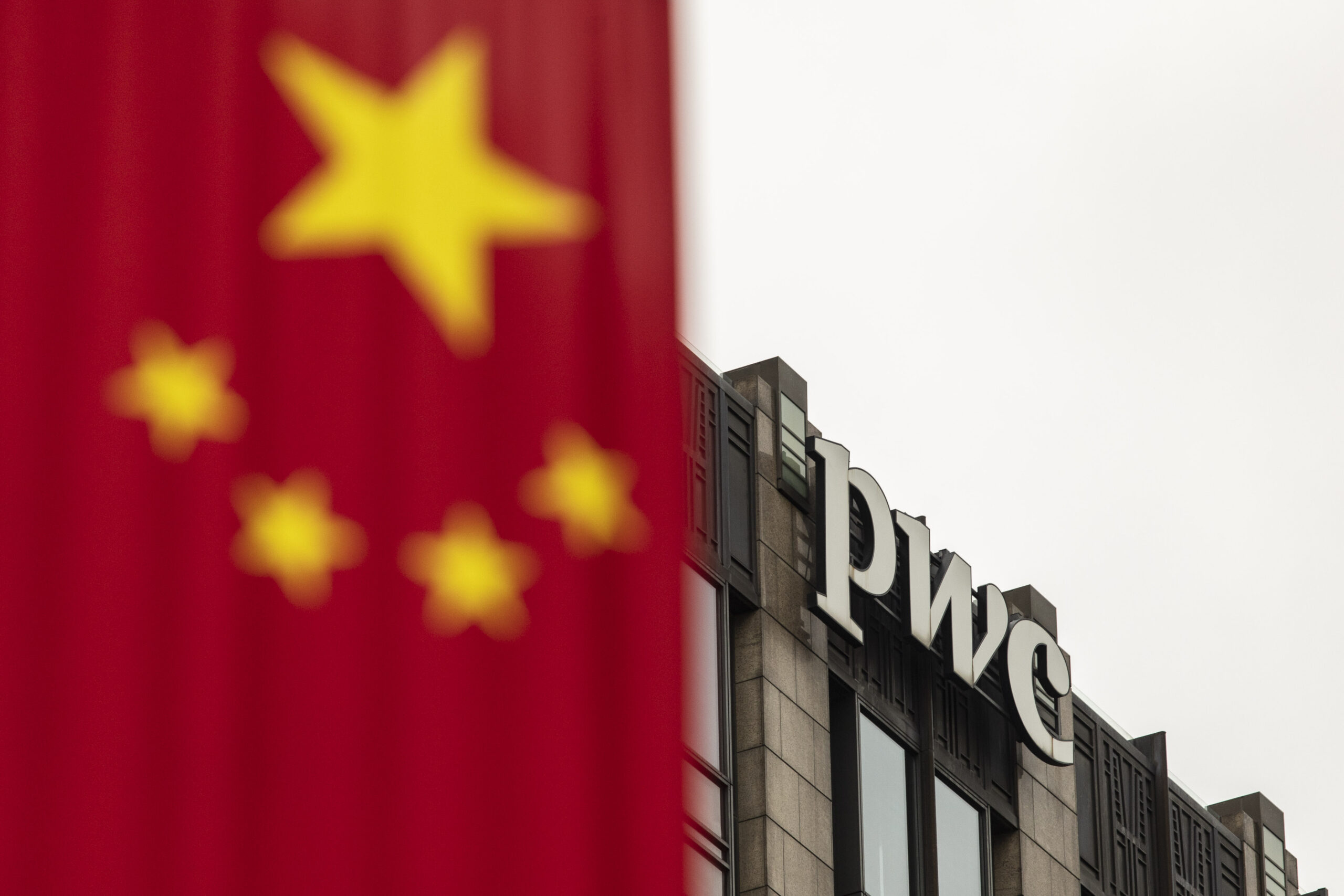
A Hong Kong court has ruled that PwC International cannot exit its role in the ongoing Evergrande case, a significant development in one of the largest corporate debt crises in history. This ruling underscores the complexities surrounding the restructuring efforts of the troubled Chinese property giant.
Background on Evergrande's Financial Troubles
China Evergrande Group, once the country's second-largest property developer, has been embroiled in a massive financial crisis since 2021. With liabilities exceeding $300 billion, the company’s default on its debts has sent shockwaves through the global financial system, raising concerns about the stability of the Chinese economy and the broader implications for international markets.
PwC's Role in the Restructuring Process
PricewaterhouseCoopers (PwC) International was appointed as one of the key financial advisors in the restructuring process of Evergrande. The firm was tasked with helping the company navigate its complex financial landscape and develop a viable plan to address its overwhelming debts. However, the involvement of PwC has not been without controversy, as various stakeholders have raised questions about the transparency and efficacy of the restructuring efforts.
The Court's Ruling
In a recent ruling, the High Court of Hong Kong determined that PwC International cannot withdraw from its responsibilities in the Evergrande case. The court emphasized the importance of maintaining a consistent and stable approach to the restructuring process, which has already faced numerous challenges and delays. The decision effectively binds PwC to its role, ensuring that the firm remains accountable for its actions as Evergrande attempts to regain its footing.
Implications for Stakeholders
This ruling has significant implications for various stakeholders involved in the Evergrande saga, including creditors, investors, and employees. Many creditors have been anxiously awaiting a resolution to the ongoing crisis, and the court's decision to keep PwC in the loop may provide some reassurance that the restructuring process will continue to move forward. However, it also raises concerns about the potential for prolonged uncertainty, as stakeholders grapple with the complexities of the situation.
Reactions from the Financial Community
The financial community has reacted with a mix of optimism and skepticism to the court's ruling. Some analysts believe that PwC's continued involvement could lead to a more structured and effective restructuring plan, while others worry that the firm may face challenges in executing its duties amidst the ongoing turmoil. The ruling has sparked discussions about the broader implications for corporate governance and accountability in high-stakes financial situations.
The Road Ahead for Evergrande
As Evergrande continues its efforts to restructure and address its debts, the company faces a daunting road ahead. The court's ruling reinforces the necessity for a collaborative approach among all stakeholders to ensure a successful resolution. Whether PwC can effectively fulfill its role and help guide Evergrande through this crisis remains to be seen, but the ruling underscores the critical importance of oversight and accountability in the restructuring process.
Conclusion
The Hong Kong court's decision to keep PwC International involved in the Evergrande case marks a pivotal moment in the ongoing saga of one of the largest corporate debt crises in history. As the financial world watches closely, the outcome of this case could have far-reaching consequences for the future of corporate restructuring in Hong Kong and beyond.