Revitalizing Urban Spaces: Pedestrianisation Initiatives and UNStudio’s Central Yards Theatre in Hong Kong
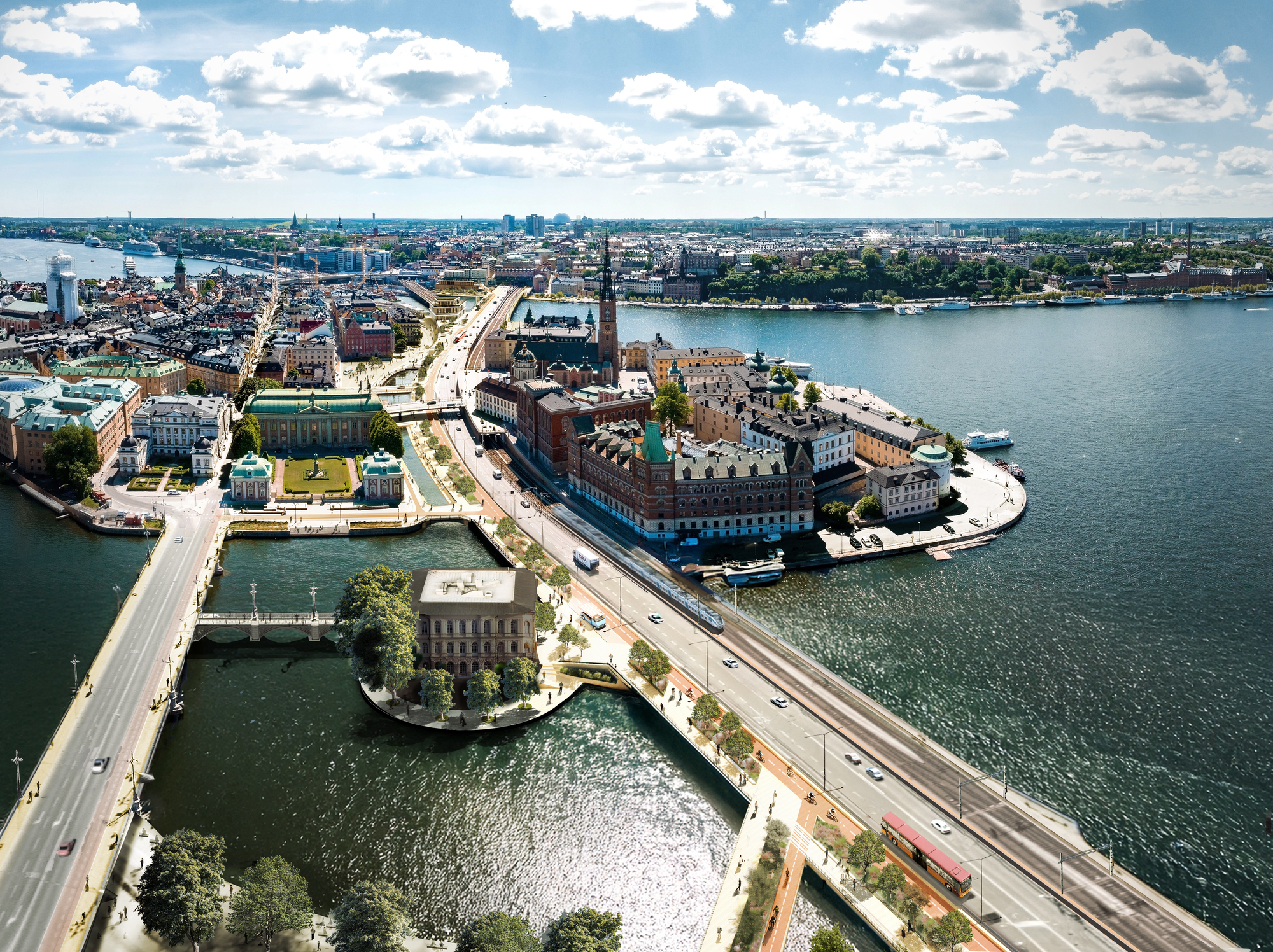
Hong Kong is embracing pedestrianisation initiatives aimed at enhancing urban livability. The introduction of UNStudio's Central Yards Theatre exemplifies the city's commitment to creating vibrant public spaces.
Introduction to Pedestrianisation in Hong Kong
Hong Kong, a bustling metropolis known for its skyscrapers and vibrant street life, is undergoing a transformation aimed at improving urban livability through pedestrianisation initiatives. These initiatives focus on reducing vehicular traffic in key areas, thereby enhancing the experience for pedestrians and encouraging a more sustainable urban environment.
The Importance of Pedestrian-Friendly Spaces
As cities worldwide grapple with the challenges of urban congestion and pollution, the concept of pedestrianisation has gained traction. In Hong Kong, the government and urban planners recognize the need for spaces that prioritize foot traffic, allowing residents and visitors to enjoy the city's rich cultural and social offerings without the hindrance of vehicles. This shift not only enhances safety but also promotes healthier lifestyles and social interactions.
UNStudio’s Central Yards Theatre: A Case Study
One of the most exciting developments in Hong Kong's pedestrianisation efforts is the Central Yards Theatre, designed by the renowned architectural firm UNStudio. This innovative project aims to create a dynamic cultural hub that integrates seamlessly with its surroundings while providing a space for artistic expression and community engagement.
Design Philosophy and Features
The Central Yards Theatre is envisioned as more than just a performance venue; it is designed to be a multifunctional space that fosters creativity and interaction. The architects have emphasized the importance of open spaces, greenery, and accessibility in their design, ensuring that the theatre is not only a destination for performances but also a gathering place for the community.
Key features of the Central Yards Theatre include an outdoor plaza that encourages social gatherings, a flexible performance space that can adapt to various events, and landscaped areas that provide a respite from the urban hustle. The integration of natural elements aims to enhance the overall aesthetic and environmental quality of the area.
Community Engagement and Feedback
As part of the development process, community engagement has been a priority for the project team. Workshops and public consultations have allowed local residents to voice their opinions and contribute ideas, ensuring that the theatre meets the needs and desires of the community. This collaborative approach not only fosters a sense of ownership among residents but also enhances the project's relevance and success.
Impact on Urban Mobility and Environment
The pedestrianisation initiatives, including the Central Yards Theatre, are expected to significantly impact urban mobility in Hong Kong. By reducing car dependency and promoting walking, cycling, and public transportation, these projects aim to lower greenhouse gas emissions and improve air quality. The creation of pedestrian-friendly spaces is also anticipated to boost local businesses by attracting more foot traffic and encouraging outdoor dining and shopping experiences.
Conclusion: A Vision for the Future
Hong Kong's commitment to pedestrianisation and the development of the Central Yards Theatre reflect a broader vision for a more sustainable and livable urban environment. As the city continues to evolve, these initiatives will play a crucial role in shaping public spaces that foster community, culture, and connectivity. The successful implementation of such projects could serve as a model for other cities facing similar challenges in urban planning and development.