Revival of Hong Kong's Central Office Market After Seven-Year Decline
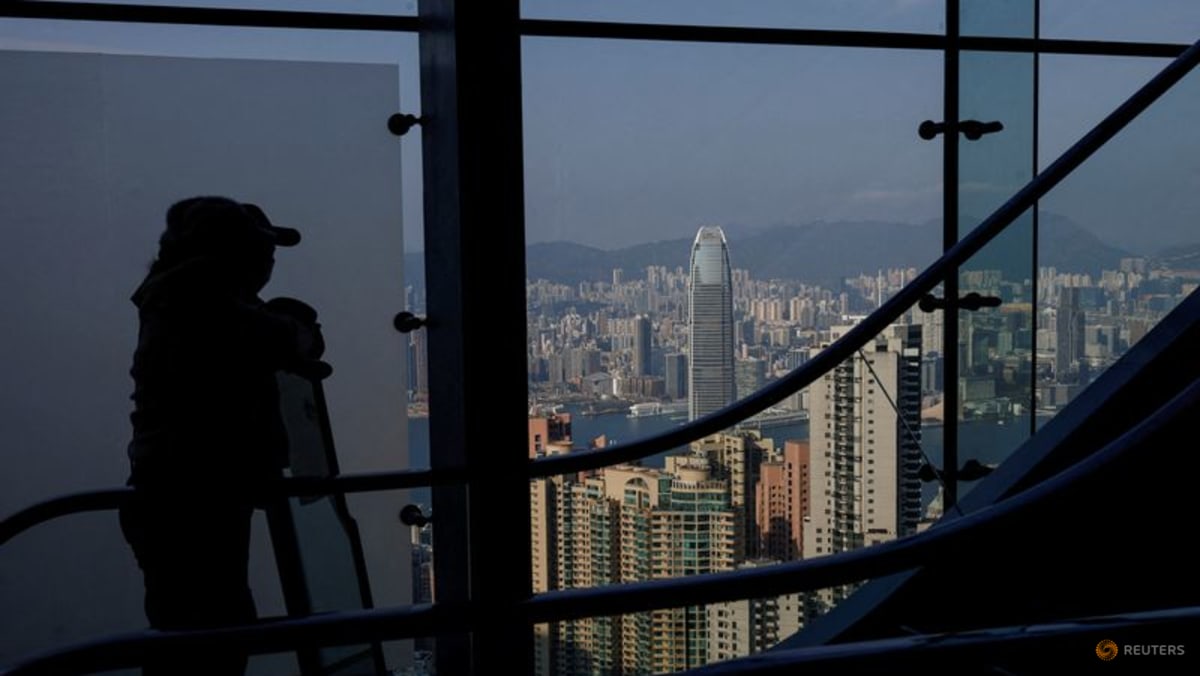
Hong Kong's Central office market is showing signs of recovery after a prolonged slump lasting seven years. This revitalization is attributed to increasing demand and a shift in market dynamics, offering hope for the region's economic resilience.
Introduction
After enduring a challenging seven-year slump, Hong Kong's Central office market is finally witnessing a resurgence. This revitalization comes as a welcome relief to property developers and investors who have been grappling with declining rental rates and rising vacancies in the region.
Market Recovery Indicators
Recent reports indicate a noticeable increase in leasing activity, particularly in the Central district, which has long been considered the financial heart of Hong Kong. According to data from real estate firms, the average rental rates have begun to stabilize, and in some cases, even rise, signaling a shift in market sentiment.
Several factors contribute to this positive trend. The gradual return of international businesses and the easing of pandemic-related restrictions have encouraged companies to reconsider their office space needs. Many firms are now looking to secure prime locations in Central, which is known for its accessibility and prestige.
Demand Surge from Tech and Finance Sectors
A significant portion of the renewed interest in office spaces can be attributed to the technology and finance sectors. Tech companies, in particular, are expanding their footprints in Hong Kong, drawn by the city's strategic location and robust infrastructure. Financial institutions are also reevaluating their office requirements, seeking to create hybrid work environments that accommodate both in-office and remote work.
This shift is prompting landlords to adapt their offerings. Many are investing in renovations and upgrades to make their properties more appealing to prospective tenants. Features such as flexible layouts, enhanced ventilation systems, and amenities that support a collaborative work environment are becoming increasingly important.
Impact of Economic Policies
Government policies aimed at revitalizing the economy are also playing a crucial role in the recovery of the office market. Initiatives to attract foreign investment and support local businesses have fostered a more conducive environment for growth. The Hong Kong Monetary Authority's measures to maintain low-interest rates have further encouraged businesses to invest in office space.
Moreover, the government's commitment to enhancing the city's infrastructure, including transportation and digital connectivity, is expected to bolster the attractiveness of Central as a prime office location. These developments are likely to draw more companies back to the area, fueling further demand.
Challenges Ahead
Despite the positive indicators, challenges remain. The ongoing geopolitical tensions and economic uncertainties in the region could impact the pace of recovery. Additionally, the rise of remote work as a long-term trend may lead some companies to reconsider their office space needs, potentially dampening demand.
Landlords and property developers will need to stay agile and responsive to these changing dynamics. Offering flexible lease terms and innovative workspace solutions will be essential in attracting and retaining tenants in this evolving market.
Conclusion
In conclusion, while the revival of Hong Kong's Central office market is a promising development, it is essential for stakeholders to remain vigilant and adaptable. The next few years will be crucial in determining whether this recovery can be sustained and whether the Central district can reclaim its status as a leading global business hub.