Rising Tensions in Taiwan: A Closer Look at the Geopolitical Landscape
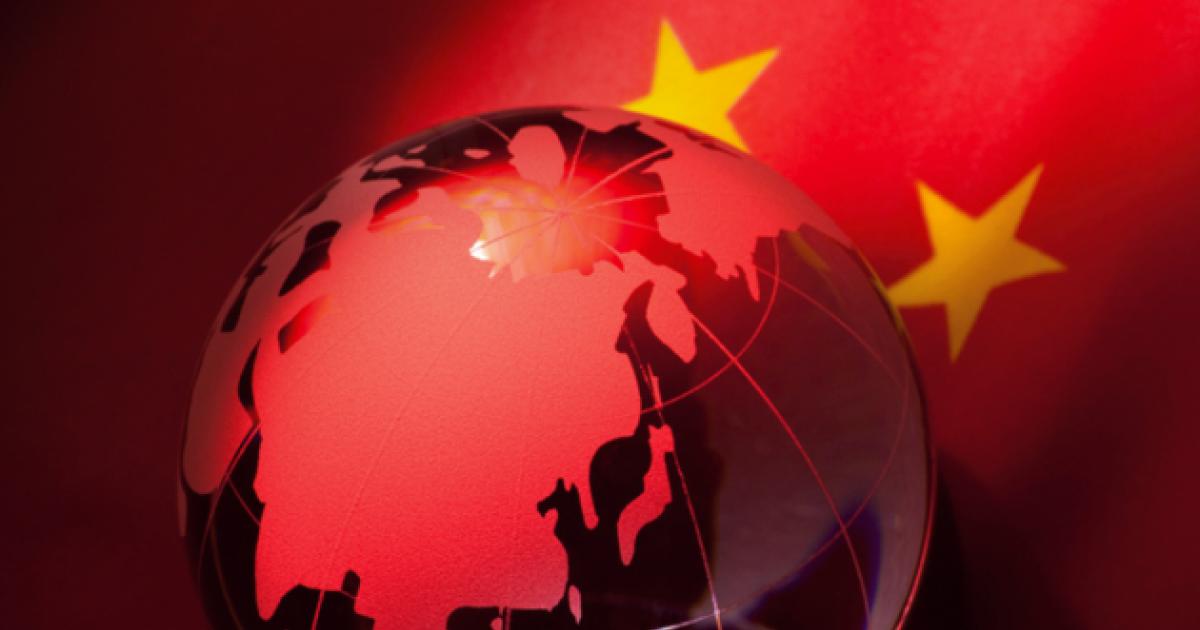
As tensions between Taiwan and Mainland China escalate, the international community is closely monitoring the situation. This report delves into the implications of these developments for regional stability and global trade.
Introduction
The geopolitical landscape in East Asia is becoming increasingly fraught as tensions between Taiwan and Mainland China continue to rise. With the backdrop of a complex web of international relations, this report examines the implications of these developments for regional stability and global trade.
The Current Situation
In recent months, Taiwan has faced heightened military threats from China, including increased air incursions and naval exercises near the island. These actions have raised alarms not only in Taipei but also in Washington and other capitals around the world. The United States has reaffirmed its commitment to Taiwan's defense, raising the stakes in an already volatile situation.
Historical Context
The roots of the current tensions can be traced back to the Chinese Civil War, which ended in 1949 with the establishment of the People's Republic of China (PRC) on the mainland and the retreat of the Republic of China (ROC) government to Taiwan. Since then, the PRC has viewed Taiwan as a breakaway province, while Taiwan has maintained its own government and democratic institutions, fostering a distinct national identity.
International Reactions
The international response to the situation has been mixed. While the United States has reiterated its support for Taiwan, other countries have been more cautious, balancing their economic ties with China against their commitments to democratic values. The European Union has expressed concern over China's aggressive posture, but concrete actions remain limited.
Economic Implications
As tensions escalate, the economic implications for the region are significant. Taiwan is a critical player in the global semiconductor industry, producing a large percentage of the world's advanced chips. Any disruption in Taiwan's production capabilities could have far-reaching consequences for global supply chains, particularly in technology sectors.
Military Posturing
China's military posturing has included increased naval presence in the Taiwan Strait and live-fire drills, which are seen as a show of force aimed at intimidating Taiwan and its allies. The Taiwanese government has responded by bolstering its own military readiness, including increased defense spending and enhanced training exercises.
The Role of the United States
The United States plays a crucial role in the Taiwan Strait dynamics. Through the Taiwan Relations Act, the U.S. is committed to providing Taiwan with the means to defend itself. Recent arms sales and military cooperation agreements have been viewed as a direct challenge to China's claims over Taiwan, further complicating the situation.
Future Outlook
Looking ahead, the future of Taiwan remains uncertain. The possibility of military conflict cannot be ruled out, particularly if diplomatic efforts fail. However, the international community's support for Taiwan could serve as a deterrent against aggressive actions by China. The situation underscores the importance of diplomatic engagement and dialogue in preventing escalation and ensuring regional stability.
Conclusion
As tensions in the Taiwan Strait continue to rise, the implications for regional and global stability are profound. The international community must navigate this complex landscape carefully, balancing support for democratic values with the need for economic cooperation. The coming months will be critical in shaping the future of Taiwan and its role in the broader geopolitical arena.