Rosewood Hotels Launches Global Paid Parental Leave Policy Amid Declining Birth Rates in Asia
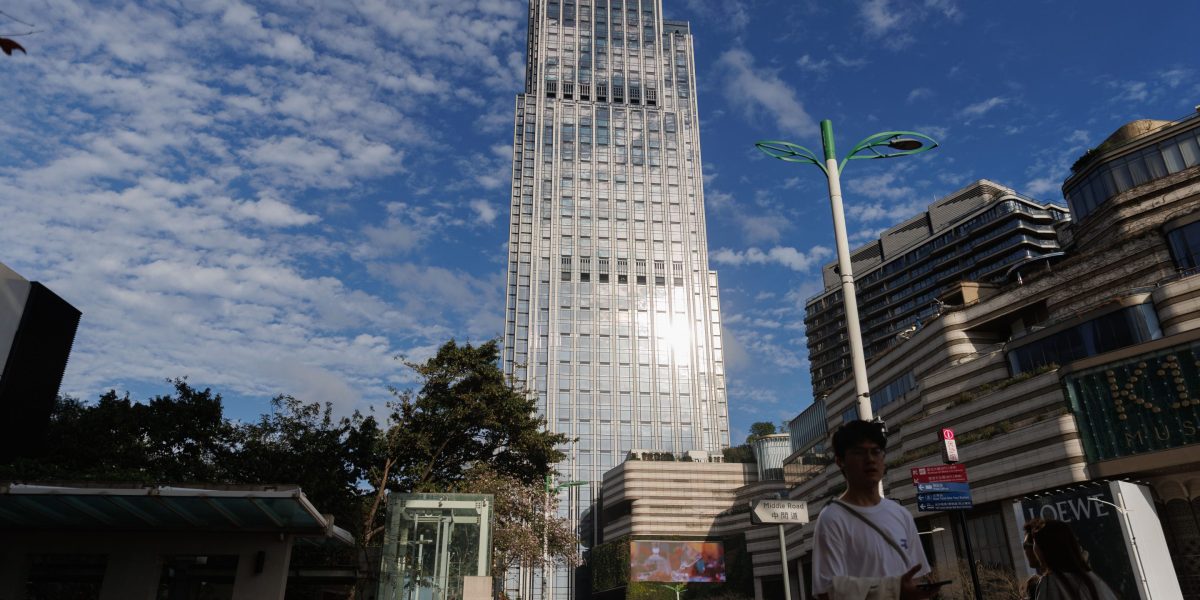
Rosewood Hotels has implemented a comprehensive 16-week paid parental leave policy globally, addressing the urgent issue of declining birth rates in Asia. This initiative reflects a growing trend among businesses to support family growth and employee well-being.
Introduction
In a significant move aimed at addressing the declining birth rates across Asia, Rosewood Hotels has announced the implementation of a global 16-week paid parental leave policy. This initiative, which applies to all employees worldwide, is part of a broader effort to foster a supportive work environment and encourage family growth in a region facing demographic challenges.
The Context of Declining Birth Rates
Asia has been grappling with a worrying trend of declining birth rates, particularly in countries like Hong Kong, South Korea, and Japan. Factors such as high living costs, demanding work schedules, and inadequate family support systems have contributed to this demographic shift. Governments and businesses alike are increasingly recognizing the need to address these issues to ensure sustainable population growth and economic stability.
Rosewood's Initiative
Rosewood Hotels, a luxury hotel chain known for its commitment to exceptional service and hospitality, has taken a proactive stance in this matter. By instituting a 16-week paid parental leave policy, the company aims to provide its employees with the necessary support during a crucial time in their lives. This policy allows both mothers and fathers to take time off to care for their newborns without the financial burden that often accompanies such decisions.
Implications for Employees
The new policy is expected to have a profound impact on the well-being of employees at Rosewood Hotels. It not only promotes a healthier work-life balance but also sends a strong message about the company's values regarding family and employee welfare. With the assurance of paid leave, employees may feel more empowered to start families, potentially reversing the trend of declining birth rates.
Industry Response
The hospitality industry, in particular, has faced challenges in retaining talent, especially among younger generations who prioritize work-life balance. Rosewood's decision may encourage other companies in the sector to reevaluate their parental leave policies. As businesses recognize the importance of supporting their employees during significant life events, a ripple effect could lead to broader changes across various industries.
Global Trends in Parental Leave
Rosewood Hotels' move aligns with a growing global trend where companies are increasingly offering enhanced parental leave benefits. In countries like Sweden and Norway, generous parental leave policies have been linked to higher birth rates and improved child welfare. As more organizations adopt similar practices, the hope is that this will contribute to a cultural shift that values family life and encourages population growth.
Conclusion
As Asia continues to confront the challenges posed by declining birth rates, initiatives like Rosewood Hotels' 16-week paid parental leave policy represent a significant step forward. By prioritizing employee well-being and family support, businesses can play a crucial role in shaping a more sustainable future. The hope is that this policy not only benefits employees but also inspires other organizations to follow suit, ultimately contributing to a healthier demographic landscape in the region.