Rubio Condemns 'Unjust, Tragic' Sentence of Hong Kong Media Tycoon Jimmy Lai
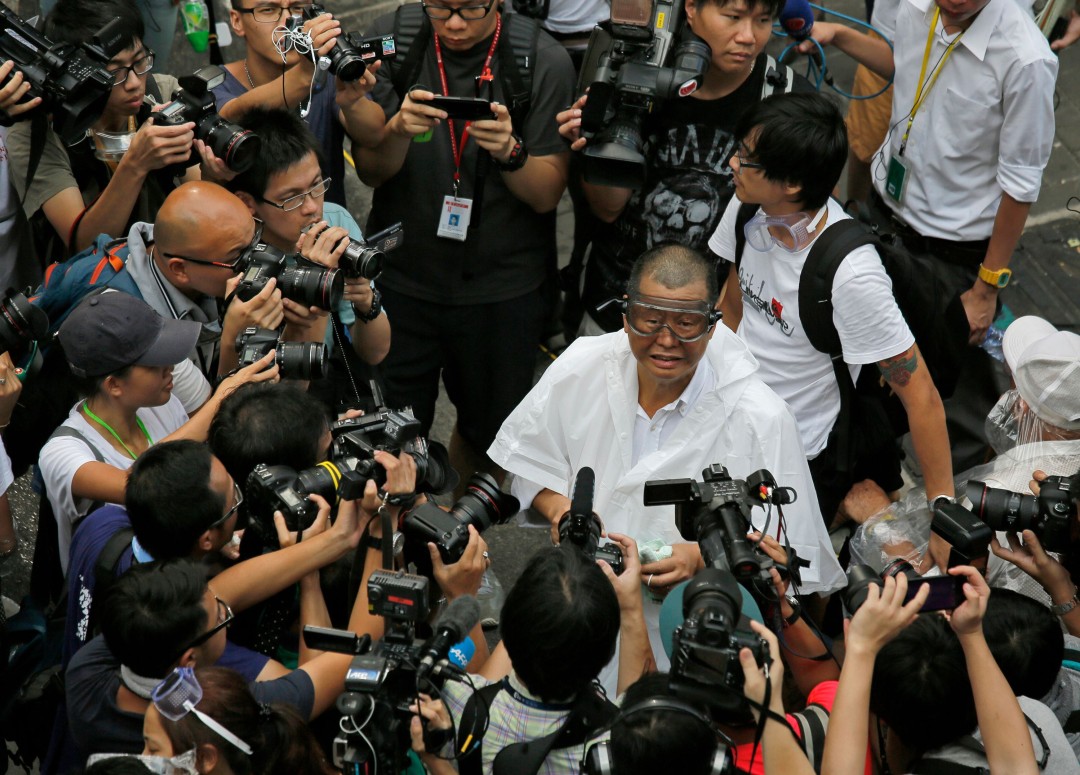
U.S. Senator Marco Rubio has criticized the recent sentencing of Jimmy Lai, a prominent pro-democracy figure in Hong Kong, calling it both unjust and tragic. Lai's conviction has sparked international outrage and raised concerns about the future of press freedom in the region.
U.S. Lawmaker Voices Concerns Over Press Freedom
In a strong condemnation of the recent sentencing of Hong Kong media tycoon Jimmy Lai, U.S. Senator Marco Rubio has described the verdict as 'unjust and tragic.' Lai, the founder of the pro-democracy newspaper Apple Daily, was sentenced to a lengthy prison term under Hong Kong’s national security law, a move that has drawn widespread criticism from human rights advocates and international observers.
Background on Jimmy Lai's Case
Jimmy Lai, a prominent figure in the Hong Kong pro-democracy movement, has been a vocal critic of the Chinese government and its increasing control over the semi-autonomous region. His newspaper, Apple Daily, was known for its staunch support of democracy and freedom of expression. However, following the implementation of the national security law in 2020, Lai was arrested and charged with various offenses, including collusion with foreign forces.
International Reaction
Rubio's remarks come amid a growing chorus of international condemnation regarding Lai's sentencing. Human rights organizations, foreign governments, and press freedom advocates have decried the verdict as part of a broader crackdown on dissent in Hong Kong. The U.S. State Department has also voiced its concerns, calling for the immediate release of Lai and other political prisoners in Hong Kong.
Implications for Press Freedom
The conviction of Jimmy Lai is seen as a significant blow to press freedom in Hong Kong, which has historically been regarded as one of the freest media environments in Asia. Under the national security law, many journalists and media outlets have faced increasing pressure, leading to self-censorship and the closure of several independent news organizations. The case of Lai has raised alarm bells about the future of journalism in the region and the potential for further crackdowns on free speech.
Calls for Global Action
In light of Lai's sentencing, Rubio has called on the international community to take a stand against the erosion of freedoms in Hong Kong. He emphasized the need for coordinated efforts to hold the Chinese government accountable for its actions and to support the people of Hong Kong in their fight for democracy. 'We cannot remain silent while the rights of individuals are trampled upon,' Rubio stated.
Conclusion
The sentencing of Jimmy Lai is not just a local issue; it resonates globally as a symbol of the struggle for democracy and human rights. As international attention remains focused on Hong Kong, the fate of press freedom and the future of democracy in the region hang in the balance. The call for action from figures like Senator Rubio underscores the importance of solidarity in the face of oppression.