Senator Rubio Criticizes Sentencing of Hong Kong Media Tycoon Jimmy Lai
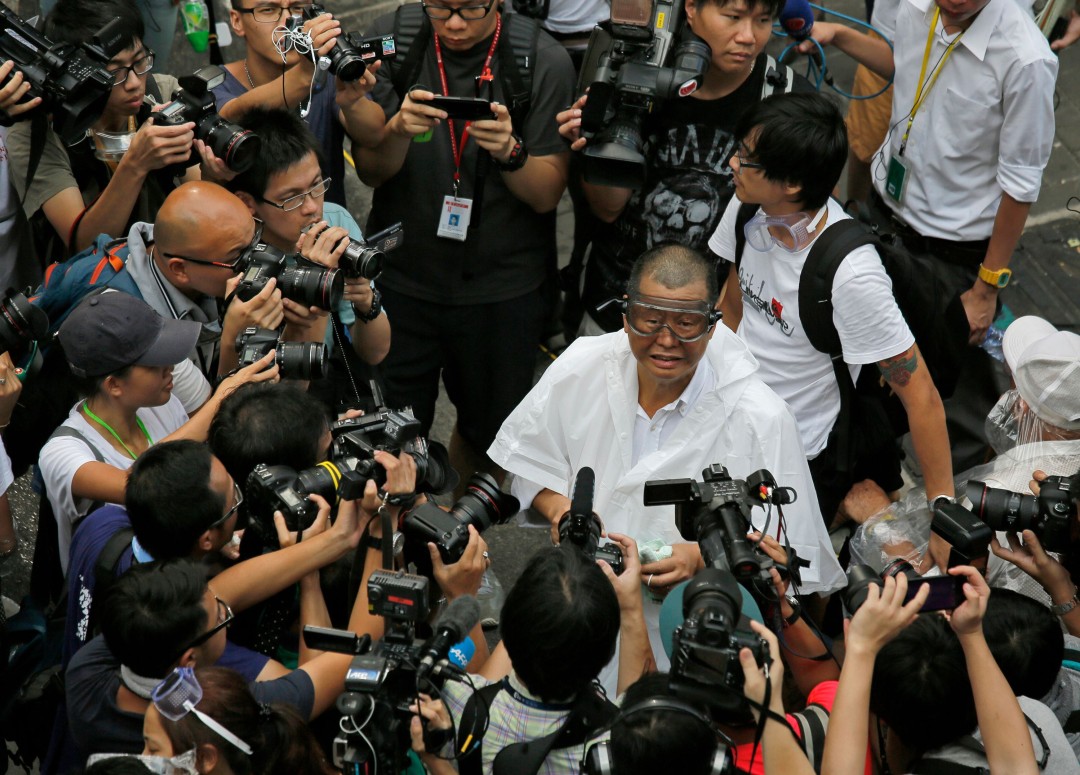
U.S. Senator Marco Rubio has condemned the recent sentencing of Hong Kong media mogul Jimmy Lai, calling it 'unjust' and 'tragic.' Lai's conviction has sparked international outcry and raised concerns about press freedom in Hong Kong.
Introduction
In a significant development that underscores the ongoing tensions surrounding press freedom in Hong Kong, U.S. Senator Marco Rubio has publicly condemned the sentencing of Jimmy Lai, a prominent media tycoon and pro-democracy activist. Lai, the founder of the now-defunct Apple Daily newspaper, was sentenced to five years and nine months in prison for fraud, a ruling that many observers consider politically motivated.
Details of the Sentencing
On Friday, the Hong Kong court handed down the sentence to Lai, who has been a vocal critic of the Chinese government and an advocate for democracy in the region. His conviction is part of a broader crackdown on dissent in Hong Kong, particularly following the implementation of the National Security Law in 2020, which has been widely criticized for curtailing freedoms and stifling free speech.
Rubio's Response
Senator Rubio, a member of the Senate Foreign Relations Committee, took to social media to express his outrage over Lai's sentencing. He described the ruling as 'unjust' and 'tragic,' emphasizing that it serves as a stark reminder of the deteriorating state of human rights in Hong Kong. In his statement, Rubio called for international solidarity against the Chinese government's oppressive actions and urged the U.S. and its allies to hold Beijing accountable for its treatment of dissidents.
International Outcry
The sentencing of Jimmy Lai has drawn widespread condemnation from various international human rights organizations, foreign governments, and media advocacy groups. The Committee to Protect Journalists (CPJ) labeled the verdict as an attack on press freedom, while Amnesty International described it as a 'sham trial' aimed at silencing dissenting voices in Hong Kong.
Background on Jimmy Lai
Jimmy Lai, a billionaire entrepreneur, founded Apple Daily in 1997, which quickly became known for its outspoken criticism of the Hong Kong and Chinese governments. The newspaper was a significant platform for pro-democracy voices and played a crucial role in covering the protests that erupted in Hong Kong in 2019. However, following the imposition of the National Security Law, Lai was arrested in August 2020 and has since faced multiple charges, including conspiracy to collude with foreign forces.
The Broader Implications
Lai's sentencing is part of a larger pattern of repression in Hong Kong, where authorities have cracked down on dissent and curtailed freedoms that were once guaranteed under the 'one country, two systems' framework. The international community has expressed increasing concern over the erosion of civil liberties in the territory, with many calling for stronger measures to support Hong Kong's pro-democracy movement.
Conclusion
As the world watches the developments surrounding Jimmy Lai's case, the implications for press freedom and human rights in Hong Kong remain dire. Senator Rubio's condemnation of the sentencing highlights the urgent need for global action to protect democratic values and freedom of expression in the face of authoritarianism. The fate of Lai and others like him will likely influence the future of journalism and activism in Hong Kong, as well as the international response to China's growing influence in the region.