Severe Flooding in China as Typhoon Bavi Forces Evacuation of Over 260,000 Residents
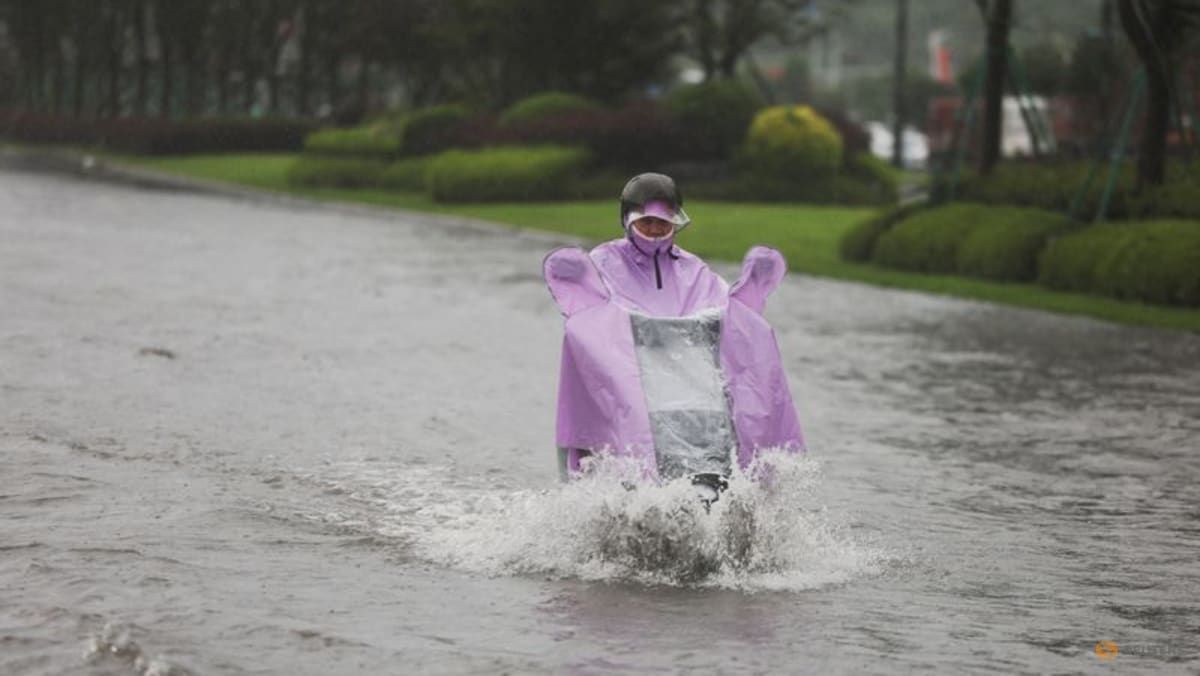
Typhoon Bavi has wreaked havoc across several provinces in China, leading to the evacuation of more than 260,000 people due to severe flooding. Authorities are on high alert as the storm continues to impact regions with heavy rainfall and strong winds.
Introduction
Typhoon Bavi, one of the most powerful storms to hit China this season, has caused widespread devastation, leading to the evacuation of more than 260,000 residents across several provinces. As the storm continues to unleash heavy rains and strong winds, local authorities are working tirelessly to ensure the safety of citizens and mitigate the impact of the severe flooding.
Evacuations and Emergency Responses
In response to the imminent threat posed by Typhoon Bavi, emergency services have been mobilized across affected areas, with over 260,000 people evacuated from their homes. The provinces of Jiangsu, Shandong, and Liaoning have been particularly hard hit, with rising water levels forcing families to flee to safer locations. Local governments have set up temporary shelters to accommodate evacuees, providing them with essential supplies and medical assistance.
Impact on Infrastructure
The impact of Typhoon Bavi has been severe, with reports of significant damage to infrastructure. Roads have been submerged, making transportation difficult and hampering rescue efforts. In some areas, power outages have been reported as fallen trees and debris have brought down power lines. Authorities are working around the clock to restore services and ensure that affected communities receive the assistance they need.
Weather Conditions and Forecast
As of the latest updates, Typhoon Bavi continues to move inland, bringing with it torrential rains and gusty winds. Meteorological agencies have issued warnings for further flooding, landslides, and potential mudslides in vulnerable areas. Residents are advised to stay indoors and avoid unnecessary travel as the storm progresses. The China Meteorological Administration is closely monitoring the situation, providing real-time updates to the public.
Government and Community Response
The Chinese government has activated emergency response protocols, deploying rescue teams and resources to the most affected regions. Community organizations and volunteers have also stepped up, providing food, water, and other essential supplies to those displaced by the flooding. The solidarity shown by local communities in the face of adversity has been commendable, with many coming together to support their neighbors during this challenging time.
Historical Context
Typhoon Bavi is not the first storm to impact China this year, as the region has experienced a series of severe weather events exacerbated by climate change. The increasing frequency and intensity of typhoons pose significant challenges for disaster preparedness and response efforts. Experts emphasize the need for improved infrastructure and better emergency planning to mitigate the effects of future storms.
Conclusion
As Typhoon Bavi continues to affect millions, the focus remains on ensuring the safety and well-being of those impacted. With ongoing efforts from government agencies, emergency services, and local communities, there is hope that the situation will stabilize soon. However, the long-term effects of the storm on affected regions will require careful assessment and recovery planning in the weeks to come.