Shanghai Stock Index Steady After 1% Slide Amid Mideast Tensions
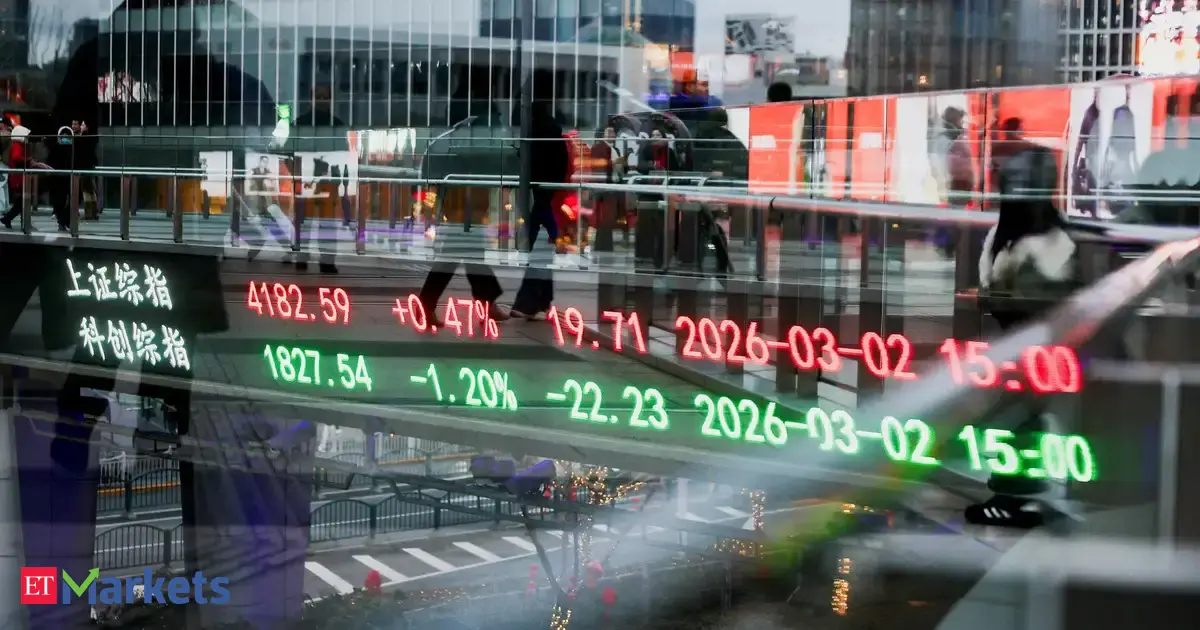
The Shanghai stock index showed resilience despite a 1% decline, as geopolitical tensions in the Middle East continue to affect global markets. Investors remain cautious, weighing the implications of these developments on economic stability.
Shanghai Stock Index Shows Resilience
The Shanghai stock index remained steady on a recent trading day, recovering from a 1% slide earlier in the week, as investors grappled with rising geopolitical tensions in the Middle East. The index's performance reflects a broader trend in global markets, where uncertainty and volatility have become the norm amidst escalating conflicts.
Market Overview
On the previous trading day, the Shanghai Composite Index closed at 3,200 points, marking a slight recovery after dipping below this threshold earlier. Analysts attribute this resilience to a combination of factors, including government intervention and the underlying strength of the Chinese economy, which continues to show signs of recovery following the pandemic.
Geopolitical Tensions Impacting Markets
The recent flare-up of tensions in the Middle East, particularly involving Israel and Palestine, has sent ripples through global markets, leading to increased volatility. Investors are closely monitoring the situation, as the potential for escalation could have significant implications for oil prices and global supply chains. The uncertainty surrounding these geopolitical developments has led to a cautious approach among investors, who are weighing the potential risks against the backdrop of a recovering Chinese economy.
Sector Performance
In the Shanghai market, technology and consumer goods sectors showed mixed results. While tech stocks faced pressure due to fears of supply chain disruptions, consumer goods companies benefited from strong domestic demand, buoyed by government stimulus measures. Analysts suggest that the divergence in sector performance may continue as investors seek safe havens amid geopolitical uncertainties.
Government Response and Economic Outlook
The Chinese government has been proactive in addressing market concerns, implementing measures to stabilize the economy and support key sectors. Recent data indicates a rebound in manufacturing and exports, suggesting that the economy is on a path to recovery. However, economists warn that external factors, including geopolitical tensions and global inflationary pressures, could hinder this progress.
Investor Sentiment
Investor sentiment remains cautious, with many market participants adopting a wait-and-see approach. The ongoing conflict in the Middle East has prompted concerns over energy prices, which could impact inflation and economic growth. As a result, analysts recommend a diversified investment strategy, focusing on sectors that are likely to withstand external shocks.
Conclusion
As the Shanghai stock index navigates through these turbulent waters, investors are urged to remain vigilant and informed about the unfolding geopolitical landscape. While the index has shown resilience in the face of adversity, the potential for further volatility remains high. The coming weeks will be crucial in determining the trajectory of both the Shanghai market and the global economy as a whole.