Sharla Cheung: The Unsung Heroine of Hong Kong's 1990s Cinema
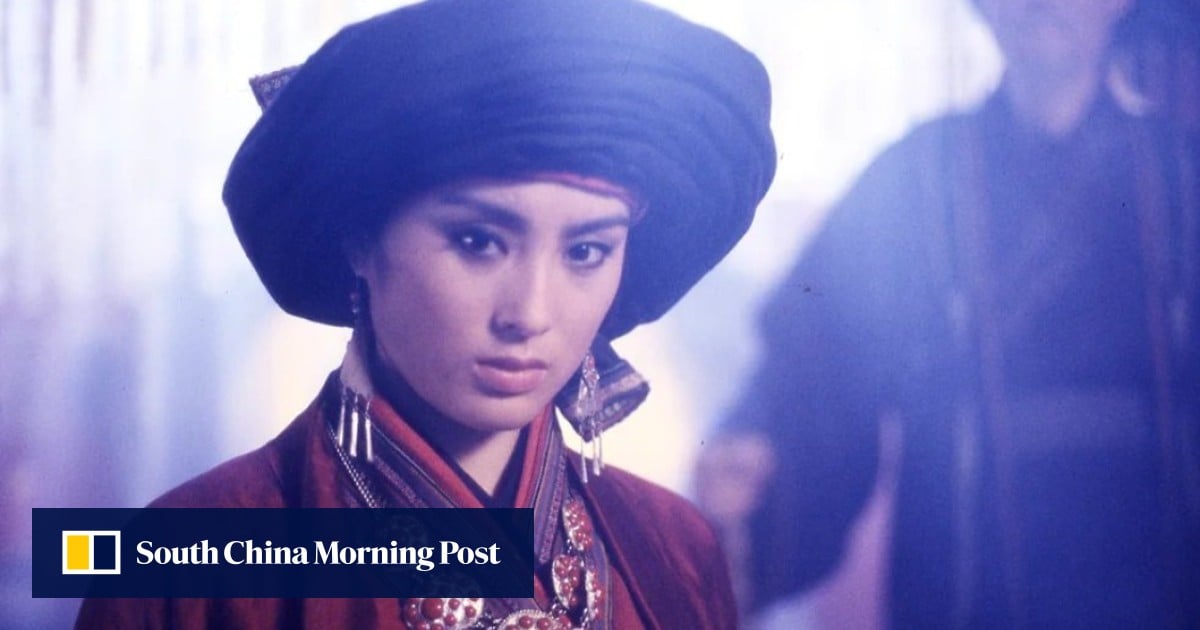
Sharla Cheung, a pivotal figure in Hong Kong cinema, rose to fame alongside Stephen Chow during the industry's golden age in the 1990s. Her contributions to film and her enduring legacy continue to inspire new generations of actors and filmmakers.
Introduction
In the vibrant tapestry of Hong Kong cinema during the 1990s, few stars shone as brightly as Sharla Cheung. Often overshadowed by her more famous co-star Stephen Chow, Cheung's contributions to the film industry are profound and deserving of recognition. As the industry experienced a renaissance, Cheung emerged not just as a leading lady but as a versatile actress whose performances captivated audiences and critics alike.
The Rise of Sharla Cheung
Sharla Cheung entered the film scene in the late 1980s and quickly established herself as a talented actress with a unique charm. Her breakthrough came when she starred alongside Stephen Chow in the 1990 classic "All for the Winner," a film that not only showcased Chow's comedic genius but also highlighted Cheung's ability to hold her own in a male-dominated industry. With her striking presence and comedic timing, she became a household name almost overnight.
Collaboration with Stephen Chow
Cheung's partnership with Chow was pivotal in the evolution of Hong Kong comedy films. Their on-screen chemistry was electric, leading to a series of successful films that redefined the genre. Movies like "Fight Back to School" and "The Lucky Stars" series not only grossed millions but also set the standard for comedic storytelling in Hong Kong cinema. Cheung's ability to balance humor with emotional depth made her performances memorable, allowing her to stand out even when sharing the screen with a powerhouse like Chow.
Versatility and Range
While Cheung is often remembered for her comedic roles, her versatility as an actress is noteworthy. She seamlessly transitioned between genres, taking on dramatic roles that showcased her range and depth. In films such as "The Bride with White Hair," Cheung demonstrated her ability to portray complex characters, earning critical acclaim and expanding her fan base beyond just comedy enthusiasts. This adaptability is a testament to her talent and dedication to her craft.
Impact on Hong Kong Cinema
Sharla Cheung's impact on Hong Kong cinema extends beyond her filmography. She played a significant role in shaping the portrayal of women in Hong Kong films during a time when female characters were often relegated to secondary roles. Cheung's strong, independent characters challenged stereotypes and paved the way for future generations of actresses. Her influence can be seen in the works of contemporary filmmakers who continue to draw inspiration from her performances.
Legacy and Recognition
Despite her success, Cheung stepped back from the limelight in the early 2000s, choosing to focus on her personal life and business ventures. However, her legacy remains intact, with film scholars and fans alike recognizing her contributions to the industry. In recent years, there has been a resurgence of interest in 1990s Hong Kong cinema, and Cheung's films have found new audiences, further solidifying her status as a cultural icon.
Conclusion
As we reflect on the golden age of Hong Kong cinema, it is essential to acknowledge the contributions of Sharla Cheung. Her talent, versatility, and impact on the industry are undeniable, and her legacy continues to inspire. As new filmmakers and actors emerge, Cheung's work serves as a reminder of the rich history of Hong Kong cinema and the importance of recognizing the unsung heroes who helped shape it.