SMIC and Hua Hong Establish Materials Supply Platform to Reduce US Dependency in China's Chip Industry
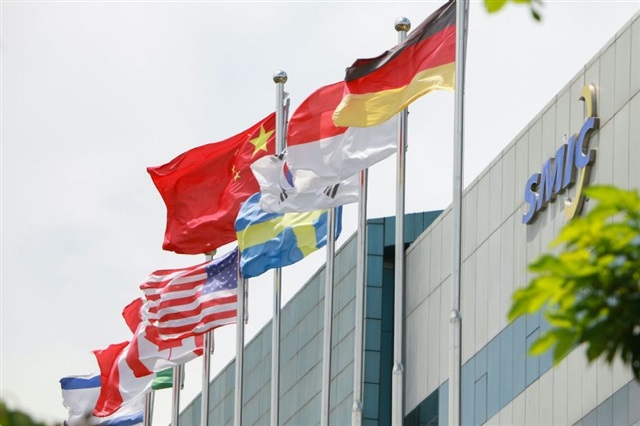
In a strategic move to bolster China's semiconductor industry, SMIC and Hua Hong have launched a new materials supply platform aimed at reducing reliance on US suppliers. This initiative is part of a broader effort to enhance self-sufficiency in the face of escalating trade tensions and technological restrictions.
Introduction
In a significant development for China's semiconductor industry, two of the country's leading chip manufacturers, Semiconductor Manufacturing International Corporation (SMIC) and Hua Hong Semiconductor, have announced the establishment of a new materials supply platform. This initiative aims to reduce China's dependence on US suppliers and strengthen the domestic chip supply chain amidst ongoing trade tensions and technological restrictions imposed by the United States.
Background
The semiconductor industry is a critical component of modern technology, powering everything from smartphones to advanced computing systems. However, the global chip supply chain has been heavily influenced by geopolitical factors, particularly the trade war between the United States and China. As a result, Chinese companies have faced significant challenges in sourcing essential materials and components needed for semiconductor manufacturing.
The New Materials Supply Platform
The newly launched materials supply platform is designed to streamline the procurement process for semiconductor materials, thereby enhancing the efficiency and reliability of China's chip manufacturing capabilities. By collaborating on this initiative, SMIC and Hua Hong aim to create a robust ecosystem that supports local suppliers and reduces reliance on foreign entities.
Strategic Importance
This move comes at a time when the Chinese government is prioritizing self-sufficiency in technology and manufacturing. The establishment of the materials supply platform aligns with China's broader strategy to develop its semiconductor industry and mitigate the impact of US sanctions. By fostering a domestic supply chain, Chinese chipmakers can better navigate the challenges posed by international trade dynamics.
Industry Reactions
Industry experts have lauded the initiative as a positive step towards enhancing China's semiconductor capabilities. Analysts believe that by reducing reliance on US suppliers, Chinese companies can not only secure their supply chains but also potentially lower costs associated with procurement. However, challenges remain, particularly in the area of advanced materials and technologies that are still dominated by US and other foreign firms.
Future Prospects
As the global semiconductor market continues to evolve, the success of the materials supply platform will depend on several factors, including the ability to attract local suppliers and the ongoing support from the Chinese government. Additionally, the platform's effectiveness in addressing the specific needs of semiconductor manufacturers will be crucial in determining its long-term viability.
Conclusion
The collaboration between SMIC and Hua Hong to establish a materials supply platform represents a significant step towards bolstering China's semiconductor industry. As the country seeks to enhance its self-sufficiency and reduce reliance on foreign suppliers, this initiative could play a pivotal role in shaping the future of China's chip manufacturing landscape. With the ongoing geopolitical tensions and the rapid pace of technological advancement, the success of this platform will be closely watched by industry stakeholders both domestically and internationally.