South Korea Welcomes Rare Baby Bump Amid Population Decline
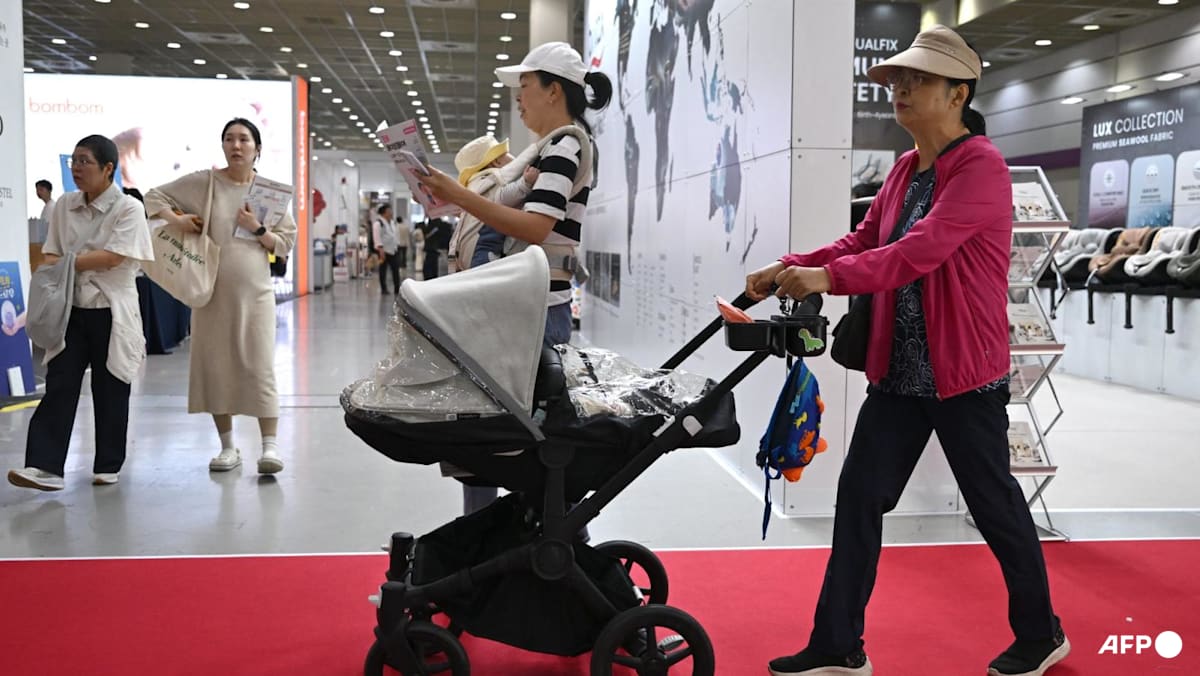
South Korea has recently celebrated a notable increase in birth rates, marking a rare positive shift in a country grappling with a declining population. This development comes as the government intensifies efforts to combat demographic challenges and encourage family growth.
Introduction
In a surprising turn of events, South Korea has recently reported an increase in its birth rate, a phenomenon that has been rare in a nation facing a significant population decline. This uptick in births is being hailed as a potential turning point for a country that has struggled with one of the lowest fertility rates in the world.
Background on South Korea's Demographic Crisis
South Korea has been experiencing a demographic crisis for several years, with its fertility rate dropping to record lows. According to the latest statistics, the country’s total fertility rate (TFR) fell to 0.81 in 2021, far below the replacement level of 2.1. This decline has raised concerns about the future workforce and economic stability, prompting the government to implement various policies aimed at encouraging families to have more children.
Recent Increase in Birth Rates
In a recent report by the South Korean government, it was revealed that the number of newborns in the country increased by 2.5% in the first half of 2023 compared to the same period in the previous year. This increase, while modest, has been welcomed by officials and citizens alike as a sign of hope amidst ongoing demographic challenges. Experts attribute this rise to a combination of government incentives, changing societal attitudes towards family life, and improved work-life balance policies.
Government Initiatives to Encourage Births
The South Korean government has implemented a series of initiatives aimed at reversing the declining birth rate. These include financial incentives for families, such as cash bonuses for newborns, subsidized childcare, and expanded parental leave. Additionally, there has been a push to create a more family-friendly work environment, encouraging both men and women to participate in child-rearing responsibilities.
Changing Attitudes Towards Family and Parenthood
Alongside government initiatives, there has been a noticeable shift in societal attitudes towards family and parenthood. Young couples are increasingly valuing work-life balance, and there is a growing recognition of the importance of shared parenting responsibilities. This cultural shift is contributing to a more favorable environment for raising children, which may explain the recent uptick in birth rates.
Challenges Ahead
Despite this positive trend, experts caution that the challenges of South Korea's demographic crisis are far from over. The country still faces significant hurdles, including high housing costs, job insecurity, and the pressures of a competitive education system, all of which can deter young couples from starting families. Additionally, the long-term sustainability of the recent increase in birth rates remains uncertain, as many factors can influence family planning decisions.
Conclusion
While the recent increase in birth rates in South Korea is a welcome development, it is essential for the government and society to continue addressing the underlying issues that contribute to low fertility. By fostering a supportive environment for families and ensuring that young couples feel empowered to have children, South Korea may be able to turn the tide on its demographic challenges. As the nation celebrates this rare baby bump, the focus must remain on creating a sustainable future for families and the economy.