SpaceX IPO Underwriters Exclude Hong Kong and China Investors Amid US Export Restrictions
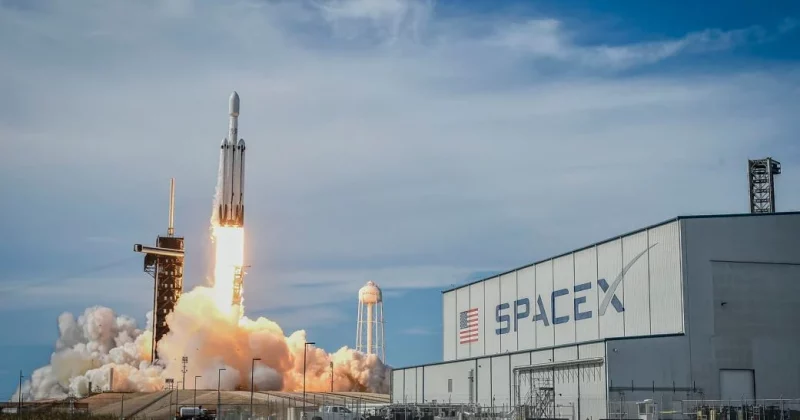
SpaceX's upcoming IPO faces significant restrictions as underwriters prohibit investors from Hong Kong and China due to US export regulations. This decision highlights the growing tensions between the US and China in the tech sector.
Introduction
In a significant development for investors in the Asia-Pacific region, underwriters for SpaceX's highly anticipated initial public offering (IPO) have announced that they will exclude investors from Hong Kong and Mainland China. This decision stems from stringent U.S. export restrictions that have been imposed on technology companies, particularly those involved in aerospace and defense.
Background on SpaceX and Its IPO
SpaceX, founded by Elon Musk in 2002, has become a leader in the aerospace industry, known for its ambitious projects such as the Starship spacecraft and the Starlink satellite constellation. The company has garnered considerable attention and investment, positioning itself for an IPO that many analysts predict could be one of the largest in recent history. However, the complexities of international relations and regulatory frameworks are now complicating this financial milestone.
US Export Restrictions and Their Impact
The U.S. government has implemented various export controls aimed at preventing sensitive technology from falling into the hands of foreign adversaries, particularly China. These restrictions have become increasingly stringent, especially in sectors critical to national security, such as aerospace and telecommunications. As a result, underwriters for SpaceX's IPO have deemed it necessary to prohibit investments from Hong Kong and China to comply with these regulations.
Reactions from the Investment Community
The decision to exclude Hong Kong and Chinese investors has sparked a mixed response within the investment community. Some analysts view this as a prudent move that aligns with U.S. national security interests, while others express concern that it could limit the potential for raising capital from a region that has historically been a significant source of investment in technology companies.
Investors in Hong Kong, who have shown keen interest in high-profile tech IPOs, may feel sidelined by this decision. The ban could lead to a decrease in the overall investment pool for SpaceX, potentially impacting its valuation and the success of the IPO.
Implications for Future IPOs
This situation raises broader questions about the future of IPOs in the tech sector, particularly for companies with international operations or interests. As geopolitical tensions continue to escalate, companies may need to navigate a complex landscape of regulatory challenges that could affect their ability to attract global investment.
Furthermore, the exclusion of Hong Kong and Chinese investors from SpaceX's IPO could set a precedent for future offerings, leading to more companies adopting similar restrictions to mitigate regulatory risks. This trend could further isolate the Asian investment community from lucrative opportunities in the U.S. tech market.
Conclusion
As SpaceX prepares for its IPO, the decision to exclude investors from Hong Kong and China underscores the growing divide between the U.S. and China in the realm of technology and investment. With the potential for significant financial implications, both for SpaceX and the broader investment landscape, stakeholders will be closely monitoring how these dynamics evolve in the coming months.