Standard Chartered Targets Higher Returns While Cutting Over 7,000 Jobs by 2030
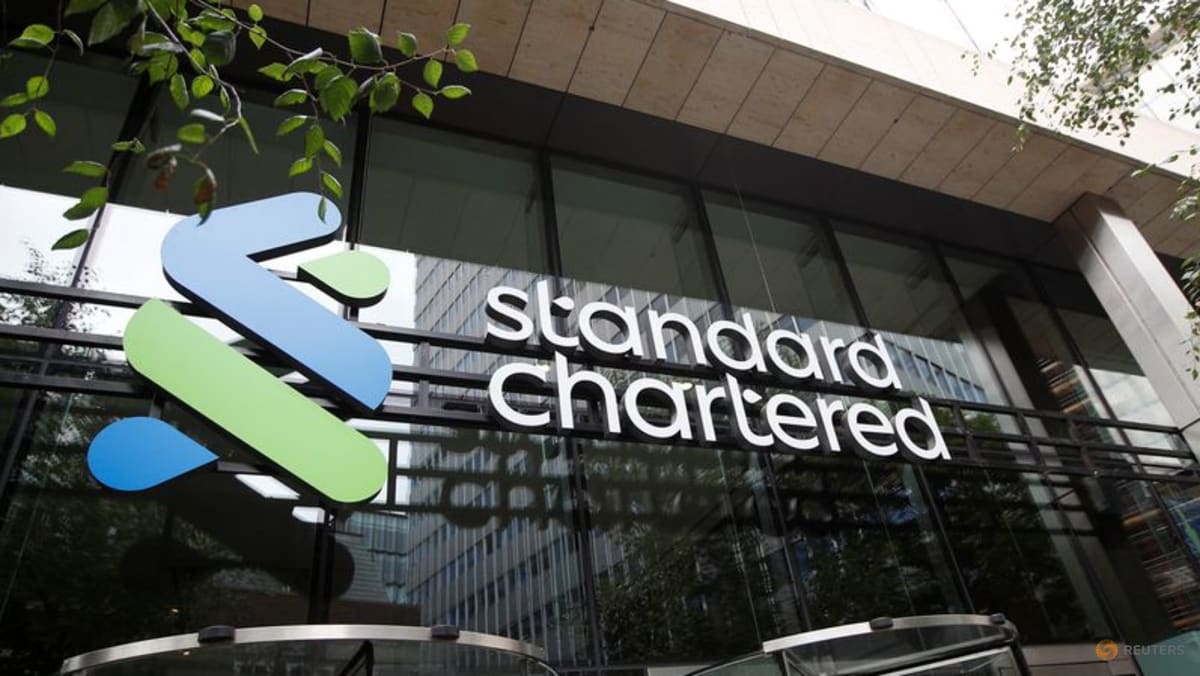
Standard Chartered has announced a strategic plan to enhance its profitability by targeting higher returns and reducing its workforce by more than 7,000 roles by 2030. This move comes as part of a broader effort to streamline operations and adapt to changing market conditions.
Standard Chartered's Strategic Shift
In a significant move aimed at enhancing profitability, Standard Chartered has unveiled plans to target higher returns while simultaneously reducing its workforce by more than 7,000 roles by the year 2030. This announcement comes as the bank seeks to navigate a challenging economic landscape and adapt to the evolving demands of the financial services industry.
Details of the Job Cuts
The job cuts represent a substantial portion of the bank's global workforce, which currently stands at approximately 85,000 employees. The decision to reduce staff is part of a broader strategy to streamline operations and improve efficiency. The bank has indicated that the reductions will primarily affect back-office roles, with a focus on automating processes and leveraging technology to enhance productivity.
Rationale Behind the Move
Standard Chartered's leadership has emphasized that the decision to cut jobs is not merely a cost-cutting measure but a strategic necessity in a rapidly changing financial environment. The bank aims to reposition itself to achieve higher returns on equity, a key performance metric in the banking industry. By reducing its workforce and investing in technology, Standard Chartered hopes to create a more agile and competitive organization.
Market Response
The announcement has elicited mixed reactions from analysts and investors. While some view the job cuts as a necessary step towards improving profitability, others express concerns about the potential impact on employee morale and the bank's reputation. The financial sector has been under pressure in recent years, with many institutions grappling with low interest rates and increasing competition from fintech companies.
Investment in Technology
As part of its strategic plan, Standard Chartered has committed to investing in technology to enhance its service offerings and improve operational efficiency. The bank aims to leverage artificial intelligence and data analytics to better understand customer needs and streamline processes. This focus on technology is seen as crucial for remaining competitive in an industry that is increasingly being disrupted by digital innovations.
Future Outlook
Looking ahead, Standard Chartered's leadership remains optimistic about the bank's prospects. The planned job cuts and investments in technology are expected to position the bank for long-term success. However, the transition may pose challenges, particularly in terms of managing the workforce reductions and ensuring that the remaining employees are equipped to adapt to new technologies and processes.
Conclusion
Standard Chartered's decision to target higher returns while reducing its workforce reflects the broader trends in the banking industry, where institutions are increasingly focused on efficiency and innovation. As the bank embarks on this transformative journey, stakeholders will be closely monitoring its progress and the impact of these changes on its overall performance and employee engagement.