Steam Deck OLED Price Increase Hits Japan, South Korea, and Taiwan
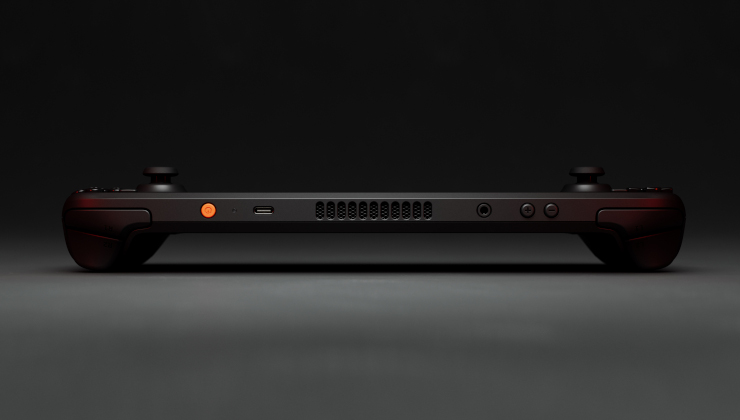
Valve's popular handheld gaming device, the Steam Deck OLED, sees a price increase in select Asian markets. The rise in cost reflects ongoing supply chain challenges and increased production expenses.
Steam Deck OLED Price Adjustment in Asia
In a recent announcement that has caught the attention of gamers across Asia, Valve Corporation has confirmed a price increase for its Steam Deck OLED model in Japan, South Korea, and Taiwan. This adjustment, effective immediately, signals the company's response to ongoing economic pressures, including rising production costs and supply chain disruptions that have affected the tech industry globally.
Details of the Price Increase
The price hike varies by region, with Japan seeing the most significant adjustment. The Steam Deck OLED, which has garnered a loyal following since its launch, will now retail for approximately ¥59,800, a jump from its previous price of ¥54,800. In South Korea, the price has increased from ₩649,000 to ₩699,000, while in Taiwan, it has risen from NT$19,999 to NT$21,999. These changes reflect the broader economic climate and the challenges faced by manufacturers in maintaining pricing amidst fluctuating costs.
Reasons Behind the Price Increase
Industry analysts suggest that the price increase is a direct result of several factors, including the ongoing global semiconductor shortage, which has significantly impacted the production of electronic devices. Additionally, inflationary pressures and increased shipping costs have added to the financial strain on companies like Valve. As a result, many tech firms have been forced to reassess their pricing strategies to remain viable in a competitive market.
Consumer Reaction
The reaction from consumers has been mixed. While many loyal fans of the Steam Deck express understanding of the economic realities, others are disappointed, citing the increasing cost of gaming hardware as a barrier to entry. Social media platforms have been abuzz with discussions about the price hike, with some users expressing concern that this trend may continue, potentially making gaming less accessible for average consumers.
Valve's Position in the Market
Despite the price increase, Valve remains confident in the Steam Deck's position within the handheld gaming market. The device has been praised for its versatility and performance, allowing users to play a vast library of PC games on the go. Valve's commitment to improving the Steam Deck experience, including regular software updates and enhancements, has helped maintain its popularity even amid rising costs.
Future Implications for Gaming Hardware
This price adjustment may serve as a bellwether for the gaming hardware industry at large. As companies grapple with similar economic pressures, consumers may need to brace for further price increases across various gaming platforms. The situation raises important questions about the sustainability of gaming hardware pricing and the potential impact on consumer spending habits.
Conclusion
As the gaming community adjusts to the new pricing structure of the Steam Deck OLED in Japan, South Korea, and Taiwan, it remains to be seen how this will affect sales and overall market dynamics. Valve's decision to increase prices reflects broader economic trends and highlights the challenges faced by tech companies in navigating a rapidly changing landscape. For now, gamers in these regions will need to weigh the value of the Steam Deck against its new cost, as they continue to seek the best gaming experiences available.