Study Links Pro-Inflammatory Diets to Higher Depression Risk, Especially in Women
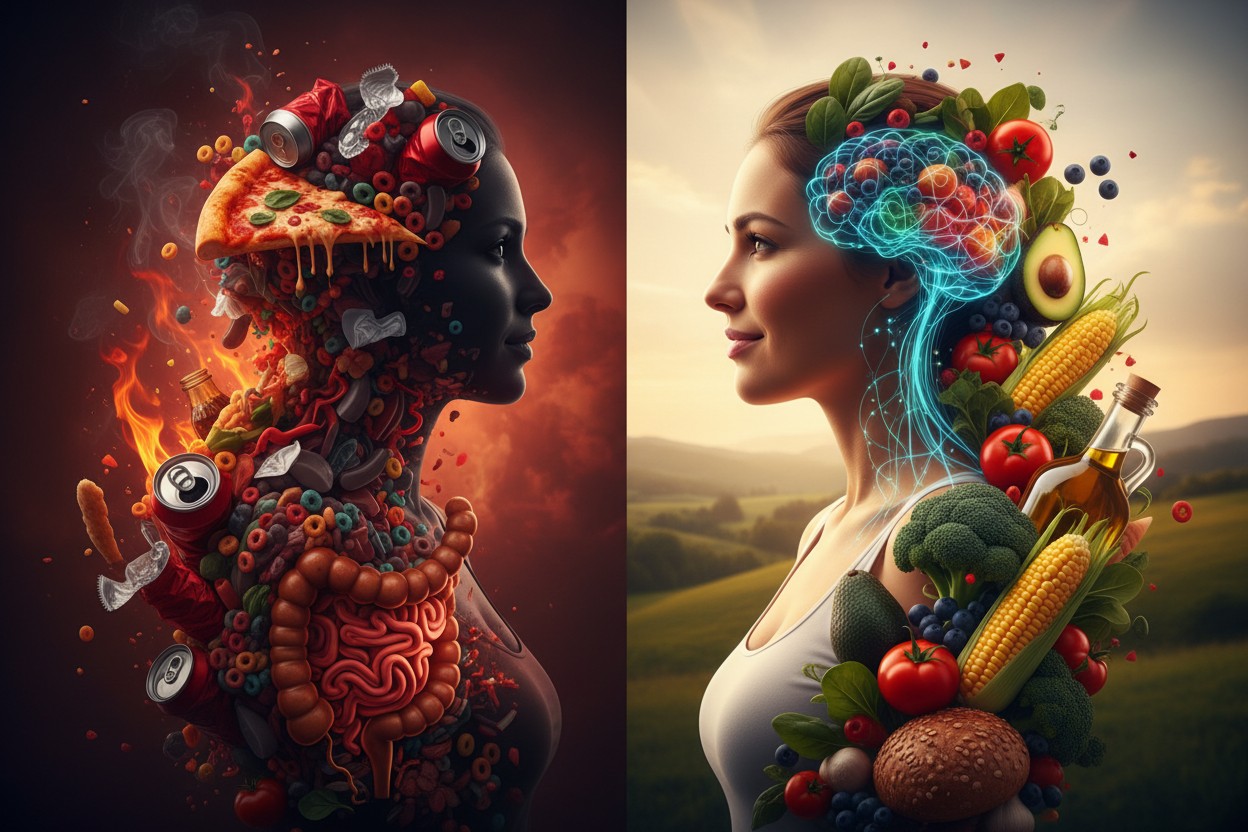
A recent study reveals a concerning connection between pro-inflammatory diets and increased depression risk, particularly among women. This research highlights the importance of dietary choices in mental health management.
Understanding the Connection Between Diet and Mental Health
A groundbreaking study has surfaced, establishing a significant link between pro-inflammatory diets and an elevated risk of depression, with women being particularly affected. The findings shed light on the crucial role that nutrition plays in mental health, emphasizing the need for a closer examination of dietary habits.
The Study: Key Findings
Conducted by a team of researchers, the study analyzed the dietary patterns of thousands of participants over several years. It was found that those who consumed diets high in pro-inflammatory foods—such as processed meats, sugary snacks, and refined carbohydrates—exhibited a higher incidence of depressive symptoms compared to those who adhered to anti-inflammatory diets rich in fruits, vegetables, whole grains, and healthy fats.
Gender Differences in Depression Risk
One of the most striking aspects of the study was the pronounced effect of diet on women. The research indicated that women who followed pro-inflammatory dietary patterns were at a significantly greater risk of developing depression than their male counterparts. This finding suggests that hormonal differences and social factors may play a role in how diet impacts mental health across genders.
Inflammation and Mental Health
The mechanism behind this connection lies in the body’s inflammatory response. Pro-inflammatory diets can lead to chronic inflammation, which has been linked to various health issues, including depression. Inflammation can affect neurotransmitter function and brain health, potentially leading to mood disorders. The study advocates for a greater understanding of how dietary choices can influence inflammation and, by extension, mental health.
Implications for Public Health
The implications of these findings are profound, particularly for public health initiatives aimed at mental health prevention and intervention. As depression rates continue to rise globally, incorporating nutritional education into mental health strategies could be a vital step forward. Health professionals are encouraged to consider dietary assessments as part of routine evaluations for patients experiencing depressive symptoms.
Practical Dietary Recommendations
For individuals looking to improve their mental health through dietary changes, experts recommend focusing on anti-inflammatory foods. This includes:
- Fruits and vegetables, particularly berries, leafy greens, and cruciferous vegetables.
- Whole grains such as brown rice, quinoa, and oats.
- Healthy fats found in olive oil, nuts, and fatty fish like salmon.
- Spices like turmeric and ginger, known for their anti-inflammatory properties.
Conversely, it is advisable to limit the intake of processed foods, sugary beverages, and trans fats, all of which can exacerbate inflammation.
Conclusion
This study serves as a wake-up call to both individuals and healthcare providers regarding the importance of diet in mental health. As research continues to evolve, it is increasingly clear that what we eat can significantly impact not only our physical health but also our emotional well-being. By making informed dietary choices, individuals may have the power to reduce their risk of depression and enhance their overall quality of life.