Surge in Electric Vehicle Purchases Amid Iran Conflict
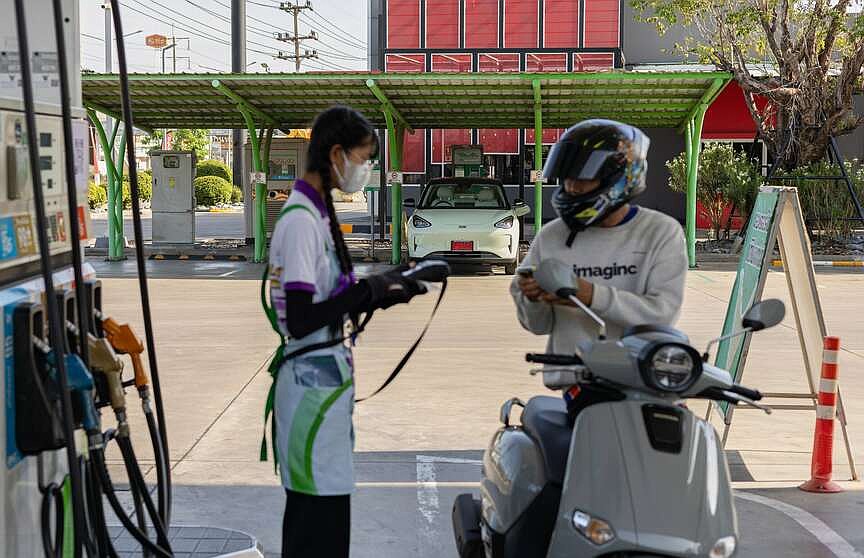
The ongoing conflict in Iran has led to a significant increase in electric vehicle (EV) purchases worldwide. This trend highlights the shifting dynamics of consumer behavior in response to geopolitical events.
Introduction
The ongoing conflict in Iran has had far-reaching implications beyond the immediate region, influencing global markets and consumer behavior. One of the most notable shifts has been a dramatic increase in electric vehicle (EV) purchases, as consumers seek alternatives to traditional fuel sources amidst rising oil prices and geopolitical instability.
Impact of the Iran Conflict
The war in Iran has escalated tensions in the Middle East, leading to fears of supply disruptions in oil markets. As a result, oil prices have surged, prompting consumers and businesses to reconsider their reliance on fossil fuels. This has created a unique opportunity for the electric vehicle market, which has seen a notable uptick in sales as consumers pivot towards more sustainable and cost-effective transportation options.
Consumer Behavior Shifts
According to a recent report by Arkansas Online, the increase in EV purchases can be attributed to several factors. Firstly, consumers are becoming more environmentally conscious, recognizing the need to reduce carbon footprints and mitigate climate change. Secondly, the financial implications of rising fuel costs have made EVs a more attractive option, as they typically offer lower operating costs over time.
Government Incentives and Infrastructure Development
In many countries, governments are also playing a crucial role in this shift. Various incentives, such as tax credits, rebates, and subsidies for EV purchases, have been implemented to encourage consumers to make the switch. Additionally, investments in charging infrastructure are making it easier for consumers to adopt electric vehicles, further driving sales.
Market Response
Automakers are responding to this surge in demand by ramping up production of electric vehicles. Major players in the automotive industry are expanding their EV lineups, with many pledging to transition to fully electric fleets in the coming years. Companies like Tesla, Ford, and General Motors are at the forefront of this movement, introducing new models that cater to a growing consumer base.
Challenges Ahead
Despite the positive momentum, the electric vehicle market faces several challenges. Supply chain disruptions, partly exacerbated by the ongoing conflict in Iran, have created shortages in critical components such as batteries. Additionally, the transition to electric vehicles requires significant investment in charging infrastructure, which varies greatly by region.
Global Perspective
As the situation in Iran continues to evolve, the global community will be watching closely to see how it impacts not only oil markets but also the burgeoning electric vehicle sector. The conflict serves as a reminder of the interconnectedness of global economies and the ways in which geopolitical events can shape consumer behavior.
Conclusion
The surge in electric vehicle purchases amidst the Iran conflict underscores a significant shift in consumer priorities, driven by both economic and environmental considerations. As the world grapples with the implications of geopolitical tensions, the transition to electric vehicles may represent a crucial step towards a more sustainable future.