Surge in Electric Vehicle Purchases Linked to Iran War
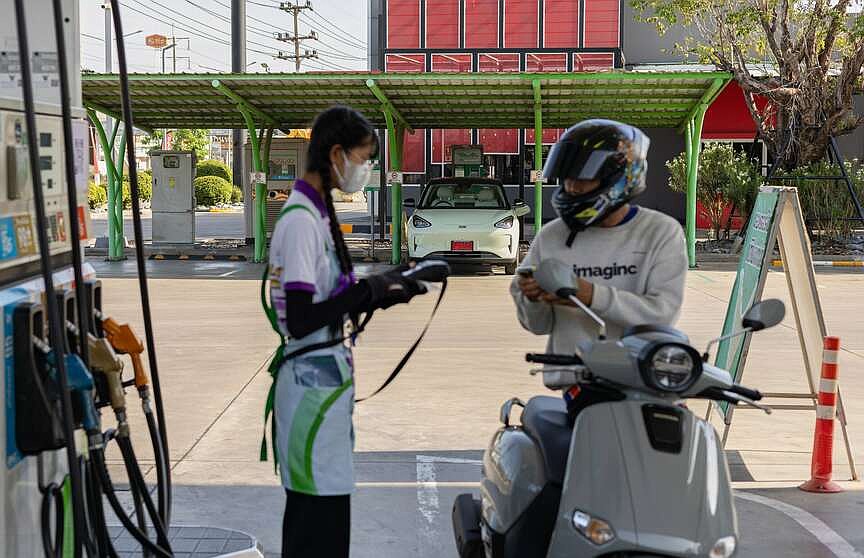
The ongoing conflict in Iran has significantly boosted electric vehicle (EV) sales globally. As consumers seek alternatives to traditional fuel sources, the EV market is experiencing unprecedented growth.
Introduction
The ongoing conflict in Iran has had far-reaching implications beyond the geopolitical landscape, significantly impacting the global electric vehicle (EV) market. As tensions rise and oil prices fluctuate, consumers are increasingly turning to electric vehicles as a viable alternative, leading to a remarkable surge in EV purchases worldwide.
The Impact of the Iran War on Oil Prices
The Iran war has created instability in the Middle East, a region critical to global oil supply. As a result, oil prices have skyrocketed, prompting consumers to reconsider their reliance on gasoline-powered vehicles. The volatility in fuel prices has made electric vehicles more appealing, as they offer a more stable and often cheaper alternative in the long run.
Shifting Consumer Preferences
With the rising costs of traditional fuel, many consumers are now prioritizing sustainability and cost-effectiveness in their vehicle choices. The shift towards electric vehicles has been accelerated by the war, as people are looking for ways to mitigate their dependence on fossil fuels. This trend is not just limited to environmentally conscious consumers; even those who previously favored gasoline cars are now exploring EV options.
Government Incentives Fueling the Shift
In response to the growing demand for electric vehicles, various governments around the world are implementing incentives to encourage consumers to make the switch. These incentives include tax breaks, rebates, and investment in EV infrastructure such as charging stations. Countries like the United States, Germany, and China have ramped up their efforts to support the EV market, further driving sales.
Market Growth Statistics
According to recent reports, the global electric vehicle market has seen an increase of over 30% in sales since the onset of the Iran conflict. In the United States alone, sales of electric vehicles surged by 50% in the past year, with manufacturers struggling to keep up with the demand. Major automakers are ramping up production, with many announcing plans to transition their entire fleets to electric by the end of the decade.
Challenges Facing the EV Market
Despite the positive growth, the electric vehicle market faces several challenges. Supply chain disruptions, particularly in the production of batteries, have led to delays in vehicle availability. Additionally, the infrastructure for charging stations is still lagging in many regions, making it difficult for consumers to fully embrace electric vehicles. However, industry experts believe that these challenges can be overcome with continued investment and innovation.
Future Outlook
As the Iran war continues to unfold, the trend towards electric vehicles is expected to persist. With rising oil prices and a growing awareness of climate change, consumers are likely to prioritize electric vehicles in their purchasing decisions. The automotive industry is at a pivotal moment, and how it responds to these changes will shape the future of transportation.
Conclusion
The ongoing conflict in Iran has inadvertently catalyzed a significant shift in consumer behavior towards electric vehicles. As the world grapples with the implications of rising oil prices, the electric vehicle market stands poised for unprecedented growth, marking a transformative moment in the automotive industry.