Suspected Boko Haram Terrorists Kill Police Inspector and Seven Others in Adamawa
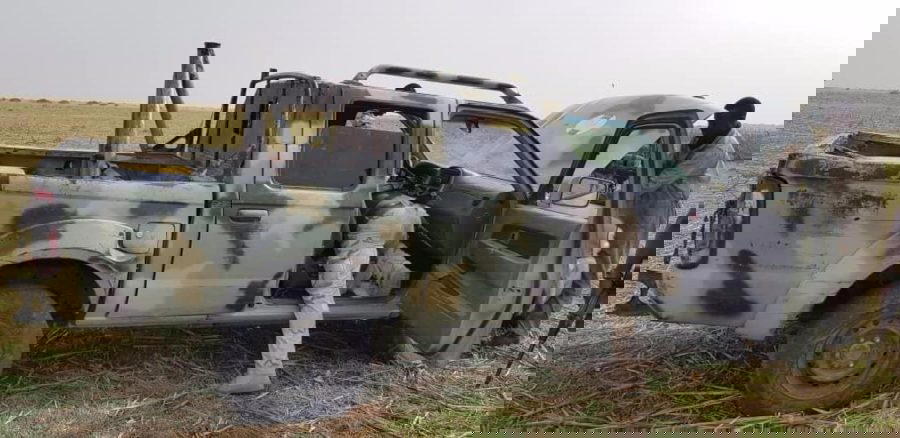
In a tragic incident in Adamawa, Nigeria, suspected Boko Haram terrorists have attacked a police convoy, resulting in the deaths of a police inspector and seven others. The attack underscores the ongoing security challenges faced by the region amidst rising violence from extremist groups.
Attack on Police Convoy
In a harrowing incident that has sent shockwaves across Nigeria, suspected Boko Haram terrorists launched a deadly attack on a police convoy in Adamawa state, killing a police inspector and seven other individuals. The ambush occurred on Thursday, highlighting the persistent threat posed by the extremist group in the region.
Details of the Incident
According to reports from local authorities, the police convoy was on its way to provide security for an election event when they were ambushed by heavily armed militants. The attack took place in the early hours of the morning, when visibility was low, giving the attackers a tactical advantage. Eyewitnesses described a scene of chaos as gunfire erupted, and many civilians were caught in the crossfire.
Casualties and Response
The police inspector, who has not yet been publicly identified, was leading the convoy when the attack occurred. Alongside him, seven other individuals, including police officers and civilians, lost their lives in the ambush. The Adamawa State Police Command has confirmed the casualties and expressed condolences to the families of the victims.
In response to the attack, security forces have ramped up operations in the area, launching a search for the assailants. Local authorities have also urged residents to remain vigilant and report any suspicious activities to the police. The state governor condemned the attack, calling it a cowardly act that will not deter the government’s commitment to restoring peace and security in the region.
Ongoing Security Challenges
This incident is part of a broader pattern of violence that has plagued northeastern Nigeria for over a decade. Boko Haram, which has been responsible for thousands of deaths and the displacement of millions, continues to pose a significant challenge to the Nigerian government. The group, which seeks to establish an Islamic state, has increasingly targeted security forces and civilians alike, leading to heightened tensions and instability in the region.
Despite efforts by the Nigerian military and police to combat the insurgency, attacks have persisted, often resulting in heavy casualties. The recent attack in Adamawa is a stark reminder of the ongoing struggle against terrorism in Nigeria, as well as the urgent need for effective security measures to protect both law enforcement and the civilian population.
International Implications
The rise of extremist groups like Boko Haram has drawn international attention, with various countries and organizations offering support to Nigeria in its fight against terrorism. The United Nations and African Union have both condemned the violence and called for greater cooperation among nations to address the underlying issues that foster extremism.
As the situation continues to evolve, the Nigerian government faces mounting pressure to improve security and restore public confidence. The tragic loss of life in Adamawa serves as a somber reminder of the challenges that lie ahead in the quest for peace and stability in the region.
Conclusion
The attack on the police convoy in Adamawa is a stark illustration of the ongoing security crisis in northeastern Nigeria. As the government grapples with the threat posed by Boko Haram, the international community watches closely, hoping for a resolution to the violence that has claimed so many lives.