Taiwan and Hong Kong Firms Struggle with AI Workflow Integration, Says Workday
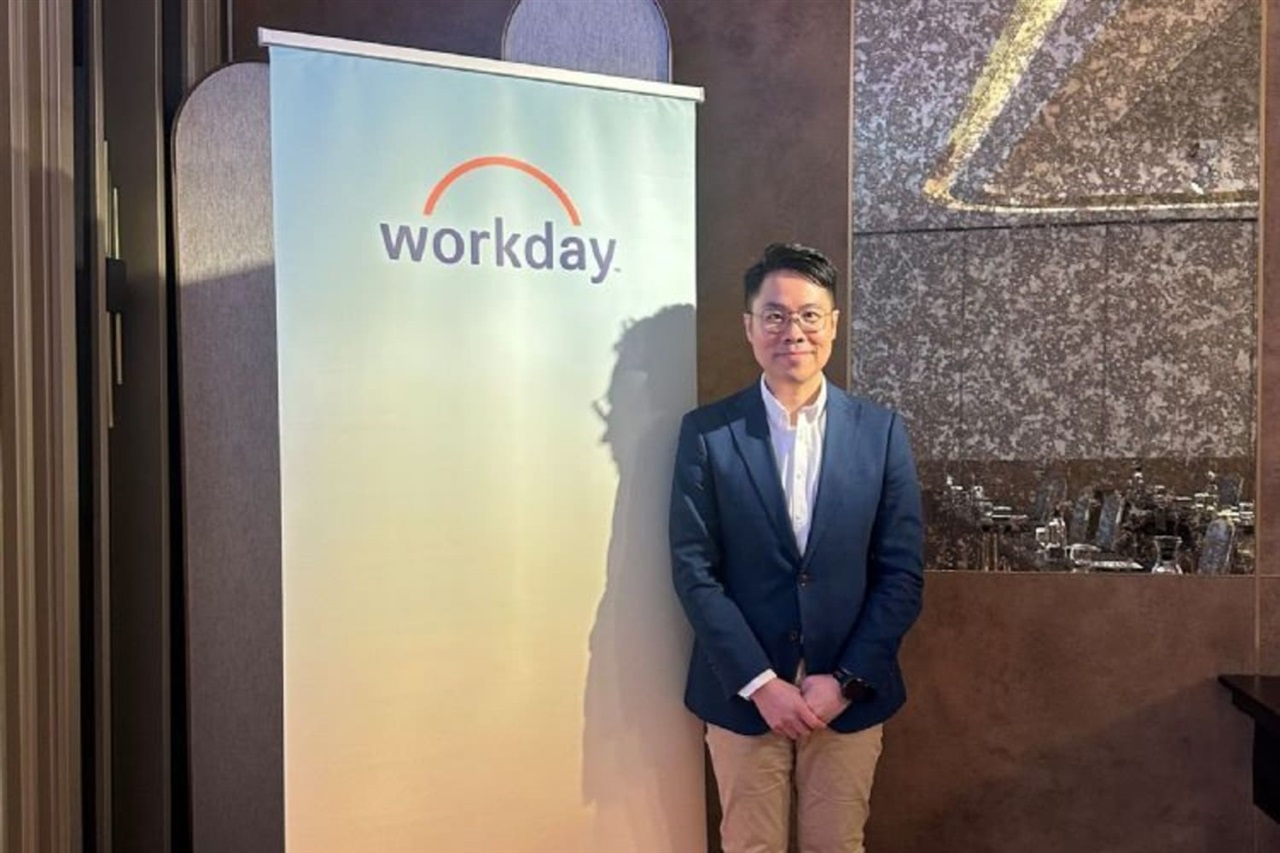
A recent report by Workday highlights the challenges faced by firms in Taiwan and Hong Kong in integrating AI into their workflows. This lag in adoption could impact their competitiveness in the global market.
Introduction
In a rapidly evolving digital landscape, the integration of artificial intelligence (AI) into business workflows has become a critical factor for success. However, a recent report by Workday indicates that companies in Taiwan and Hong Kong are falling behind in this crucial area, raising concerns about their future competitiveness in the global market.
The Findings of the Workday Report
According to the report published by Digitimes, Workday's research highlights a significant gap in AI adoption between firms in Taiwan and Hong Kong compared to their counterparts in other regions. The study reveals that while many businesses globally are leveraging AI to streamline operations and enhance productivity, firms in these two regions are struggling to implement AI technologies effectively.
Challenges Faced by Firms
Several factors contribute to the slow integration of AI in Taiwan and Hong Kong. Firstly, there is a notable lack of awareness and understanding of AI capabilities among business leaders. Many executives remain skeptical about the benefits of AI, viewing it as a costly investment with uncertain returns. This hesitation has resulted in a cautious approach to adopting new technologies.
Secondly, the existing infrastructure in many companies may not be conducive to AI implementation. Legacy systems and outdated processes can hinder the seamless integration of AI tools, making it challenging for firms to transition to more advanced workflows. Additionally, the shortage of skilled professionals in AI and data science further exacerbates the problem, as companies struggle to find the right talent to drive their AI initiatives.
Comparative Analysis with Global Trends
In contrast, businesses in regions such as North America and Europe have made significant strides in AI integration. Many companies in these areas have embraced AI not just as a tool for efficiency, but as a strategic asset that can drive innovation and growth. The report indicates that these firms are investing heavily in AI technologies, often seeing immediate benefits in terms of cost savings and improved decision-making processes.
The disparity in AI adoption raises important questions about the future of businesses in Taiwan and Hong Kong. As global competition intensifies, firms that fail to harness the power of AI risk losing their competitive edge. The Workday report serves as a wake-up call for business leaders in these regions, urging them to prioritize AI integration in their strategic planning.
Recommendations for Improvement
To address the challenges identified in the report, Workday suggests several actionable steps for firms in Taiwan and Hong Kong. Firstly, there is a need for increased education and awareness-raising initiatives to help business leaders understand the potential benefits of AI. Workshops, seminars, and case studies showcasing successful AI implementations can help demystify the technology and encourage adoption.
Secondly, companies should consider investing in upgrading their technological infrastructure to support AI integration. This may involve modernizing legacy systems and adopting cloud-based solutions that facilitate data sharing and collaboration. Furthermore, businesses should prioritize the recruitment and training of skilled professionals in AI and data science to build a capable workforce that can drive their AI initiatives forward.
Conclusion
The findings of the Workday report highlight a critical juncture for firms in Taiwan and Hong Kong as they navigate the complexities of AI integration. By addressing the challenges and embracing AI as a strategic asset, these companies can position themselves for success in an increasingly competitive global landscape. The time for action is now, and the future of these businesses may depend on their ability to adapt and innovate through the power of AI.