Taiwan Charges Nine Individuals Over Illegal AI Server Exports to China
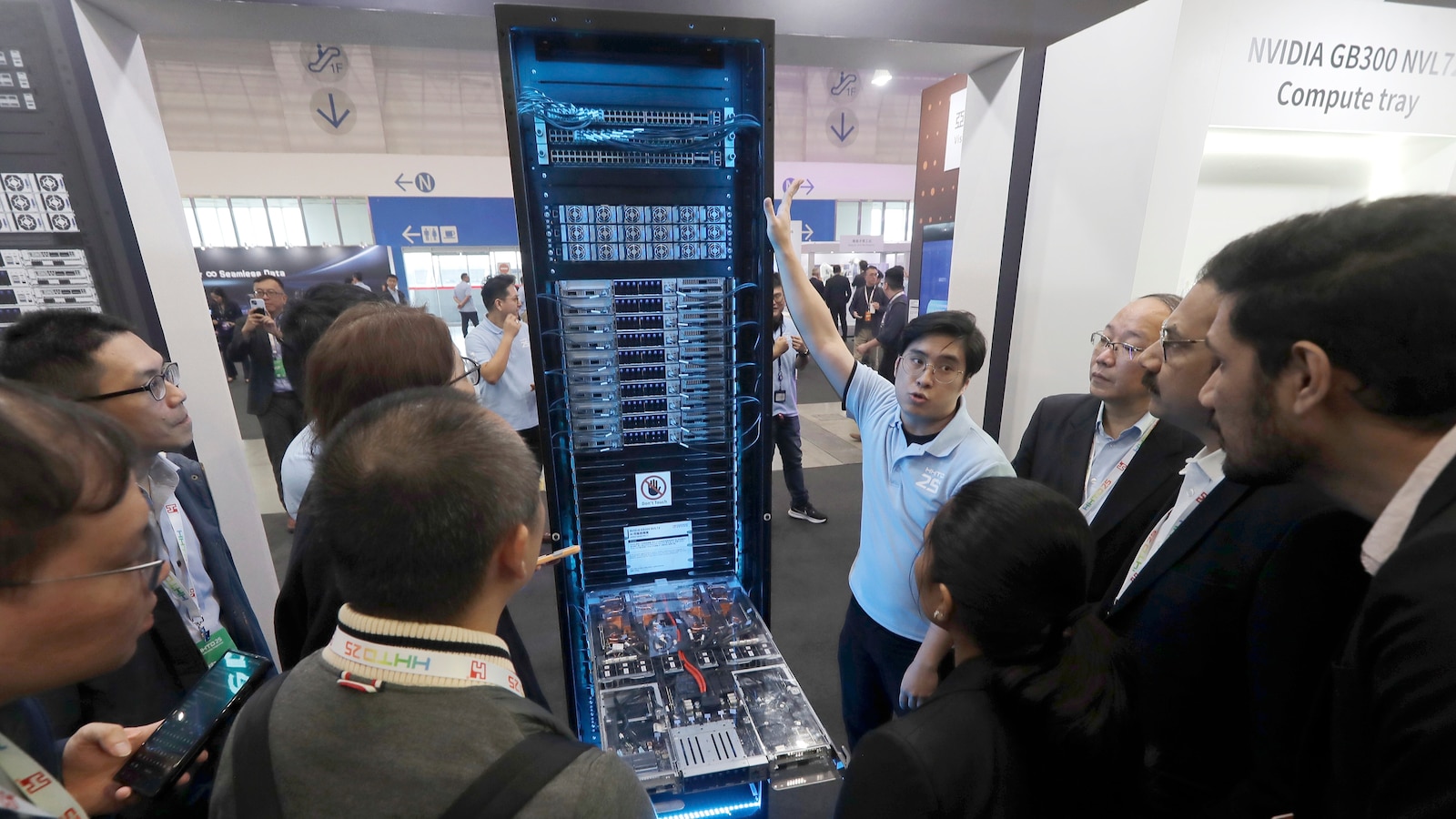
Taiwan has initiated legal proceedings against nine individuals, including staff from Nvidia and Super Micro, for their involvement in the illegal export of AI servers to China. This move underscores Taiwan's ongoing efforts to regulate technology transfers amid rising geopolitical tensions.
Taiwan's Crackdown on Illegal AI Exports
In a significant legal action, Taiwan has charged nine individuals, including employees from prominent tech companies Nvidia and Super Micro, for their alleged roles in the illegal export of advanced AI server technology to China. The charges, announced by Taiwan's Ministry of Justice, highlight the island's commitment to enforcing its export control laws, especially in the context of rising tensions between Taiwan and mainland China.
The Charges and Their Implications
The nine individuals are accused of violating Taiwan's export control regulations by facilitating the transfer of high-performance computing servers, which are deemed critical for AI development. The servers in question are believed to have been shipped to China without the necessary permits, raising concerns about the potential military applications of such technology in a region already fraught with geopolitical strife.
Background of the Case
This case comes amid a broader crackdown on technology transfers from Taiwan to China, as the Taiwanese government seeks to safeguard its technological advancements against potential misuse by the Chinese military. The individuals charged include both Taiwanese nationals and foreign nationals, reflecting the international nature of the tech industry and the complexities involved in regulating cross-border technology transfers.
Reactions from the Tech Industry
The involvement of Nvidia and Super Micro, two of the leading companies in the AI hardware sector, has drawn significant attention. Nvidia, known for its cutting-edge graphics processing units (GPUs) that power AI applications, has stated that it is cooperating with Taiwanese authorities to clarify the situation. Super Micro, a major provider of server technology, has also expressed its commitment to compliance with all relevant laws and regulations.
Geopolitical Context
The legal actions taken by Taiwan are part of a broader strategy to prevent the transfer of sensitive technologies to China, particularly in the wake of increasing military tensions in the Taiwan Strait. As China continues to expand its technological capabilities, Taiwan's government is under pressure to ensure that its innovations do not inadvertently bolster a potential adversary.
International Repercussions
This case may have wider implications for international tech companies operating in Taiwan and the region. As countries around the world grapple with the challenges posed by advanced technologies and their potential military applications, Taiwan's proactive stance may serve as a model for other nations facing similar dilemmas. The situation underscores the need for robust export control measures in the tech sector, particularly for technologies that can have dual-use applications.
Conclusion
As Taiwan moves forward with its legal proceedings, the case will likely serve as a litmus test for the effectiveness of its export control laws and its ability to navigate the complex landscape of international technology transfers. The outcome may also influence how other nations approach similar challenges in an increasingly interconnected and competitive global tech environment.