Taiwan Indicts Nine for Illegal Export of Nvidia GPUs to China
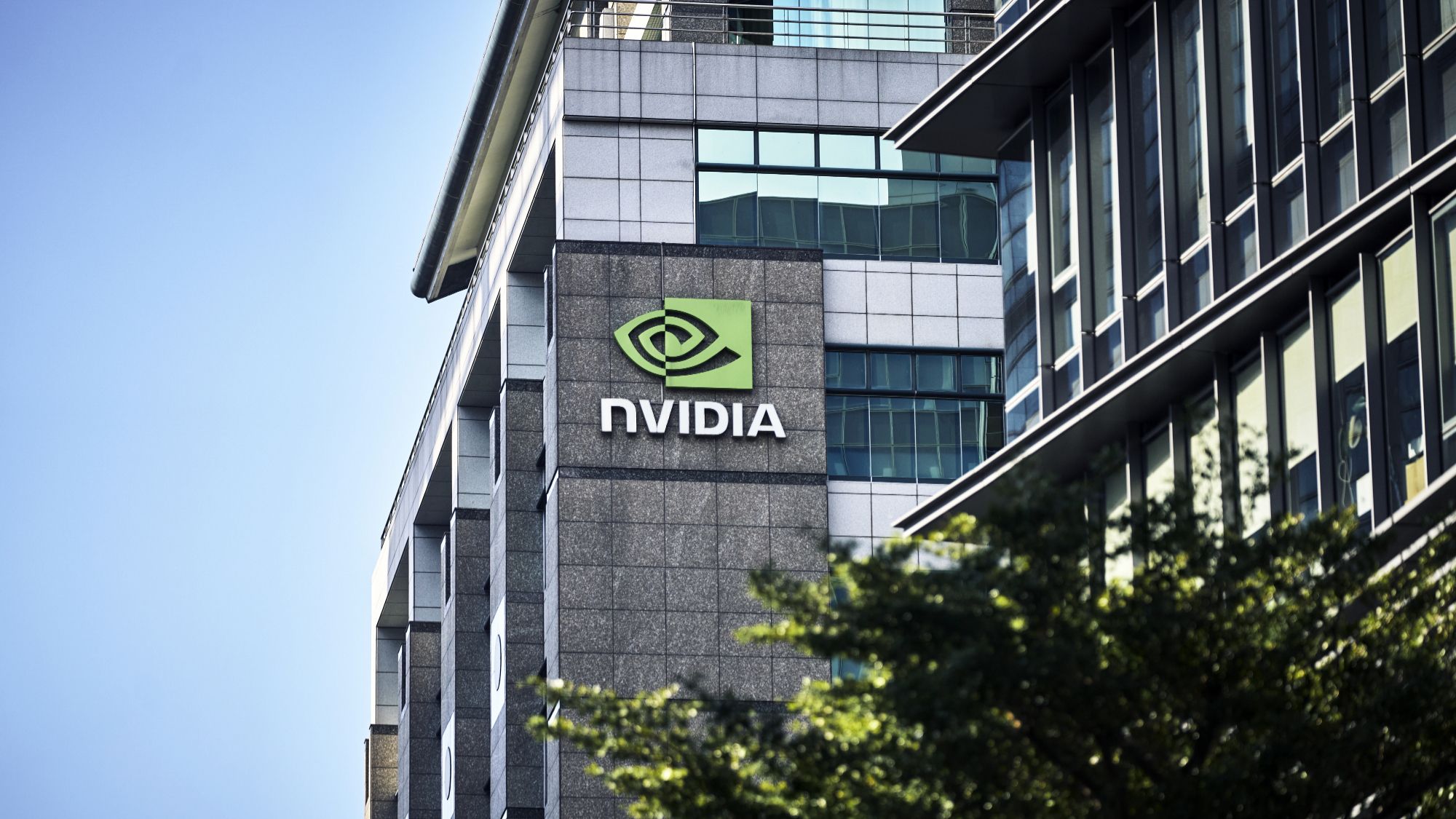
Nine individuals in Taiwan have been indicted for allegedly exporting Nvidia B300 GPUs to China illegally. The case highlights a sophisticated strategy to bypass customs controls and exploit regulatory loopholes.
Introduction
In a significant legal development, Taiwanese authorities have indicted nine individuals for their involvement in the illegal export of Nvidia B300 graphics processing units (GPUs) to China. This case sheds light on the intricate methods employed to circumvent customs regulations and the growing concern over the export of advanced technology to rival nations.
The Allegations
The indictment, issued by Taiwan's Taipei District Prosecutors Office, outlines a detailed five-point strategy allegedly used by the accused to facilitate the illicit export of these high-performance GPUs. The Nvidia B300, known for its advanced capabilities, is considered a critical component in various high-tech applications, including artificial intelligence and machine learning.
Details of the Export Scheme
According to the prosecution, the accused devised a sophisticated plan to exploit loopholes in export controls. The five-point strategy included:
- False Documentation: The individuals reportedly created fake invoices and shipping documents to misrepresent the nature and destination of the goods.
- Use of Third Parties: They allegedly employed third-party companies to mask the true end-users of the GPUs, making it difficult for authorities to trace the shipments.
- Manipulation of Shipping Routes: The accused are said to have utilized complex shipping routes that involved transshipment through various countries, further obscuring the final destination.
- Collusion with Exporters: Some of the indicted individuals are believed to have colluded with exporters who were willing to overlook regulatory compliance in exchange for financial incentives.
- Bribery and Corruption: The prosecution alleges that there were attempts to bribe customs officials to facilitate the smooth passage of shipments.
Impact on Taiwan's Technology Sector
This case raises alarms within Taiwan's technology sector, particularly as the global landscape becomes increasingly competitive and fraught with geopolitical tensions. The export of advanced technology, especially to nations like China, which is viewed as a strategic rival, has become a focal point of international trade regulations.
Experts warn that such illegal activities not only undermine Taiwan's regulatory framework but also pose risks to national security. The Taiwanese government has been under pressure to strengthen its export controls, especially concerning sensitive technologies that could enhance military capabilities in rival nations.
International Reactions
The indictment has drawn attention beyond Taiwan's borders, with international observers closely monitoring the implications for global technology supply chains. The United States, which has imposed strict export controls on advanced technology to China, may view this case as a reinforcement of its stance against technology transfer to adversarial nations.
Furthermore, the incident could prompt other countries to reevaluate their own export regulations, particularly those concerning dual-use technologies that can serve both civilian and military purposes.
Conclusion
The indictment of nine individuals for the illegal export of Nvidia B300 GPUs to China marks a critical moment in Taiwan's ongoing struggle to balance economic interests with national security concerns. As authorities continue to investigate the case, it serves as a stark reminder of the complexities involved in regulating advanced technology in an increasingly interconnected world.
As Taiwan navigates these challenges, the outcome of this case may have lasting implications for its technology sector and its relationship with global partners, particularly in the context of rising tensions with China.