Taiwan's Historical Journey: From Contested Island to Democratic Beacon
Taiwan has undergone significant transformations throughout its history, evolving from a contested territory to a vibrant democracy. This report explores key milestones that have shaped Taiwan's identity and its current geopolitical significance.
Introduction
Taiwan, a small island nation located off the southeastern coast of China, has a rich and complex history that reflects its geopolitical significance in East Asia. Over the centuries, Taiwan has transitioned from being a contested territory to establishing itself as a thriving democracy. This report delves into key dates and events that have defined Taiwan's journey and its current status on the international stage.
Early History and Colonial Rule
The history of Taiwan dates back thousands of years, with indigenous peoples inhabiting the island long before external powers took notice. In the 17th century, European colonial interests emerged, with the Dutch and Spanish establishing settlements. However, it was the Qing Dynasty of China that gained control of Taiwan in 1683, marking the beginning of significant Chinese influence on the island.
Japanese Occupation
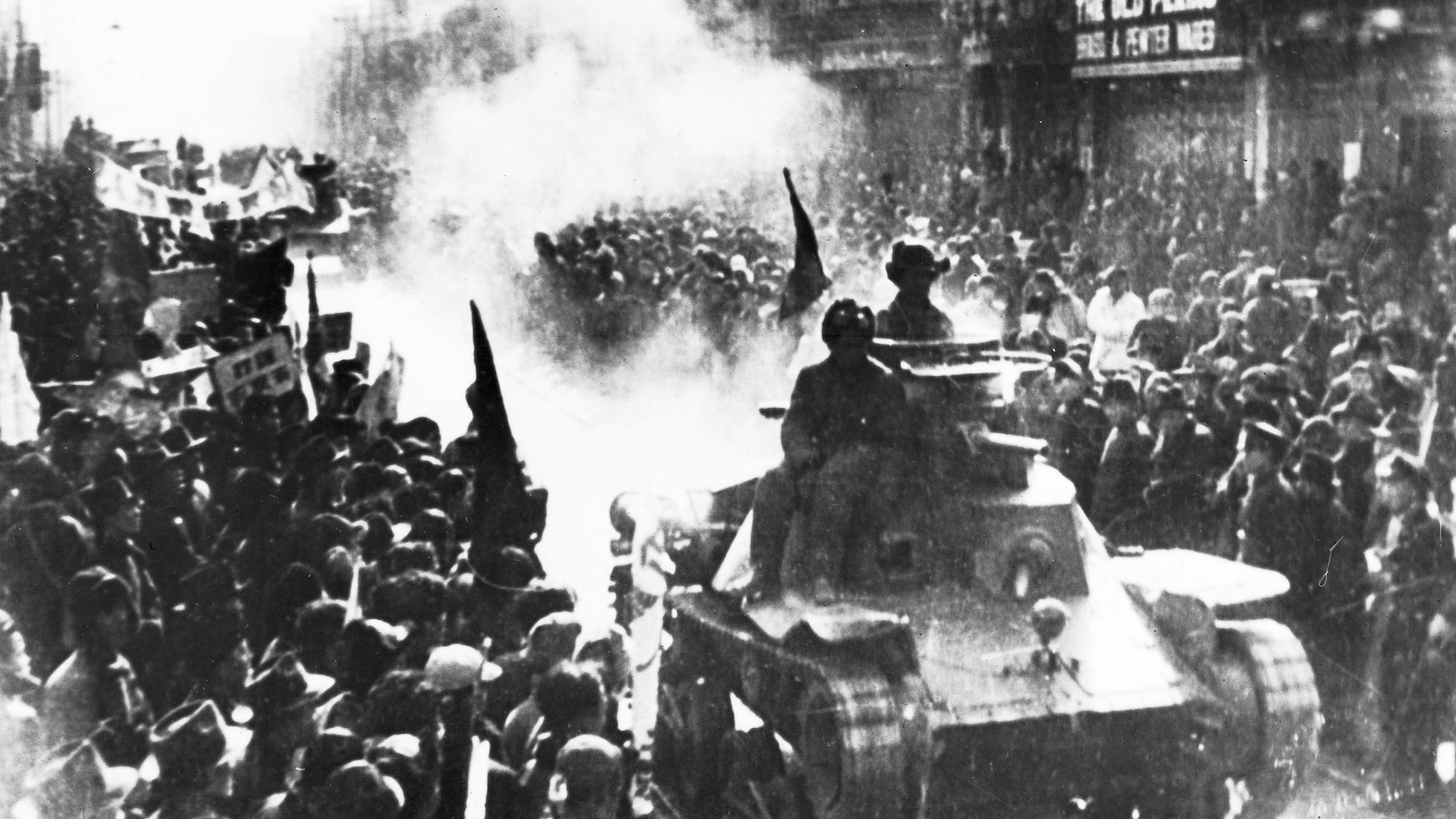
After the First Sino-Japanese War in 1895, Taiwan was ceded to Japan, ushering in a period of Japanese colonial rule that lasted for 50 years. The Japanese implemented extensive infrastructure projects and industrialization, which transformed Taiwan’s economy. However, this period was also marked by harsh repression of local dissent and cultural assimilation efforts.
Post-World War II and the Chinese Civil War
Following Japan's defeat in World War II, Taiwan was placed under the control of the Republic of China (ROC) in 1945. However, the Chinese Civil War between the Nationalists (Kuomintang) and Communists led to the Nationalists retreating to Taiwan in 1949 after losing the mainland to the Communist Party. This marked the beginning of a new chapter in Taiwan's history, as the ROC government established itself on the island, claiming to be the legitimate government of all of China.
Martial Law and Democratization
For decades, Taiwan was under martial law, with the government suppressing dissent and political opposition. However, the late 20th century saw significant changes as Taiwan began its transition to democracy. In 1987, martial law was lifted, and political reforms began to take shape. The first direct presidential election was held in 1996, solidifying Taiwan's status as a democratic society.
Current Geopolitical Context
Today, Taiwan is a vibrant democracy with a robust economy, yet it remains at the center of geopolitical tensions between the United States and China. The People's Republic of China views Taiwan as a breakaway province and has not ruled out the use of force to achieve reunification. Conversely, Taiwan has sought to assert its sovereignty and strengthen its international presence, often relying on support from the United States and other allies.
Conclusion
As Taiwan continues to navigate its complex historical legacy and current geopolitical challenges, its evolution from a contested island to a democratic beacon in East Asia is a testament to the resilience and determination of its people. The future of Taiwan remains uncertain, but its commitment to democracy and self-determination is unwavering.