Taiwan's Lai Ching-te Expresses Intent to Continue Arms Purchases During Potential Trump Meeting
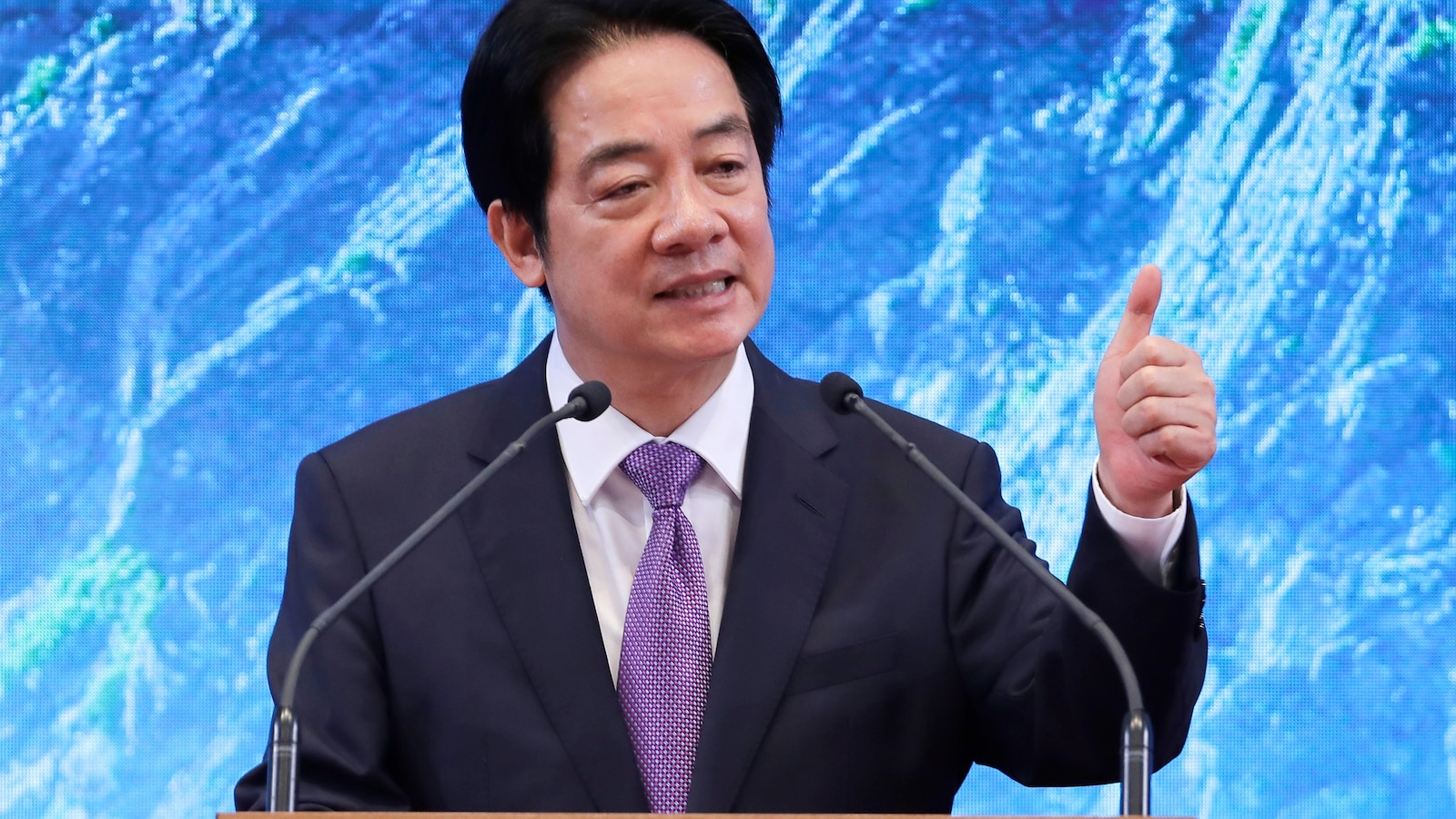
Taiwan's Vice President Lai Ching-te has stated that he would inform former President Donald Trump of his desire to maintain arms purchases from the United States. This statement underscores Taiwan's ongoing efforts to bolster its defense amid increasing tensions with Mainland China.
Taiwan's Vice President Lai Ching-te on Arms Purchases
Taiwan's Vice President Lai Ching-te recently articulated his intentions regarding defense procurement during a potential meeting with former U.S. President Donald Trump. Lai emphasized the importance of continuing arms purchases from the United States, a move that reflects Taiwan's commitment to strengthening its military capabilities in the face of rising tensions with Mainland China.
Context of the Statement
The remarks come at a time when Taiwan is increasingly concerned about the aggressive posturing of Beijing, which views the island as a breakaway province and has not ruled out the use of force to achieve unification. Lai's comments highlight Taiwan's strategic approach to securing its defense needs through partnerships with key allies, particularly the United States, which has been a longstanding supporter of Taiwan's military modernization efforts.
Importance of U.S. Support
The United States has been a critical ally for Taiwan, providing military equipment and support that are essential for the island's defense strategy. Lai's statement underscores the significance of U.S. arms sales, which not only enhance Taiwan's military capabilities but also serve as a deterrent against potential aggression from Mainland China. The U.S. has historically maintained a policy of strategic ambiguity regarding Taiwan, balancing its support for the island with the need to manage relations with Beijing.
Potential Meeting with Trump
Lai's comments were made in the context of a potential meeting with Trump, who has expressed interest in Taiwan during his presidency. The former president's administration was marked by a series of arms sales to Taiwan, which were seen as a direct challenge to China. Lai's desire to communicate his intent to continue these purchases reflects Taiwan's proactive stance in seeking to solidify its defense posture.
Regional Implications
The geopolitical landscape in the Asia-Pacific region is rapidly evolving, with Taiwan at the center of tensions between the U.S. and China. As Beijing continues to ramp up military activities around Taiwan, including frequent incursions into Taiwan's air defense identification zone (ADIZ), the island's leadership is keenly aware of the need to enhance its defense capabilities. Lai's emphasis on arms purchases is part of a broader strategy to ensure that Taiwan remains resilient in the face of external threats.
Public Sentiment in Taiwan
Public sentiment in Taiwan regarding defense and relations with the U.S. remains robust. Many Taiwanese citizens support the government's efforts to strengthen military ties with the U.S. as a means of safeguarding their democratic way of life. Lai's statements resonate with a populace that is increasingly aware of the implications of cross-strait relations and the importance of international support.
Conclusion
As Taiwan navigates the complexities of its relationship with Mainland China and seeks to bolster its defense capabilities, Lai Ching-te's commitment to continuing arms purchases from the U.S. is a significant aspect of the island's strategy. The potential meeting with Donald Trump could further solidify these intentions and highlight the importance of U.S.-Taiwan relations in the current geopolitical climate. With tensions in the region showing no signs of abating, Taiwan's proactive approach to defense procurement is likely to remain a focal point in its international relations.