Taiwan's Lai Expresses Commitment to Continued Defense Cooperation with the U.S.
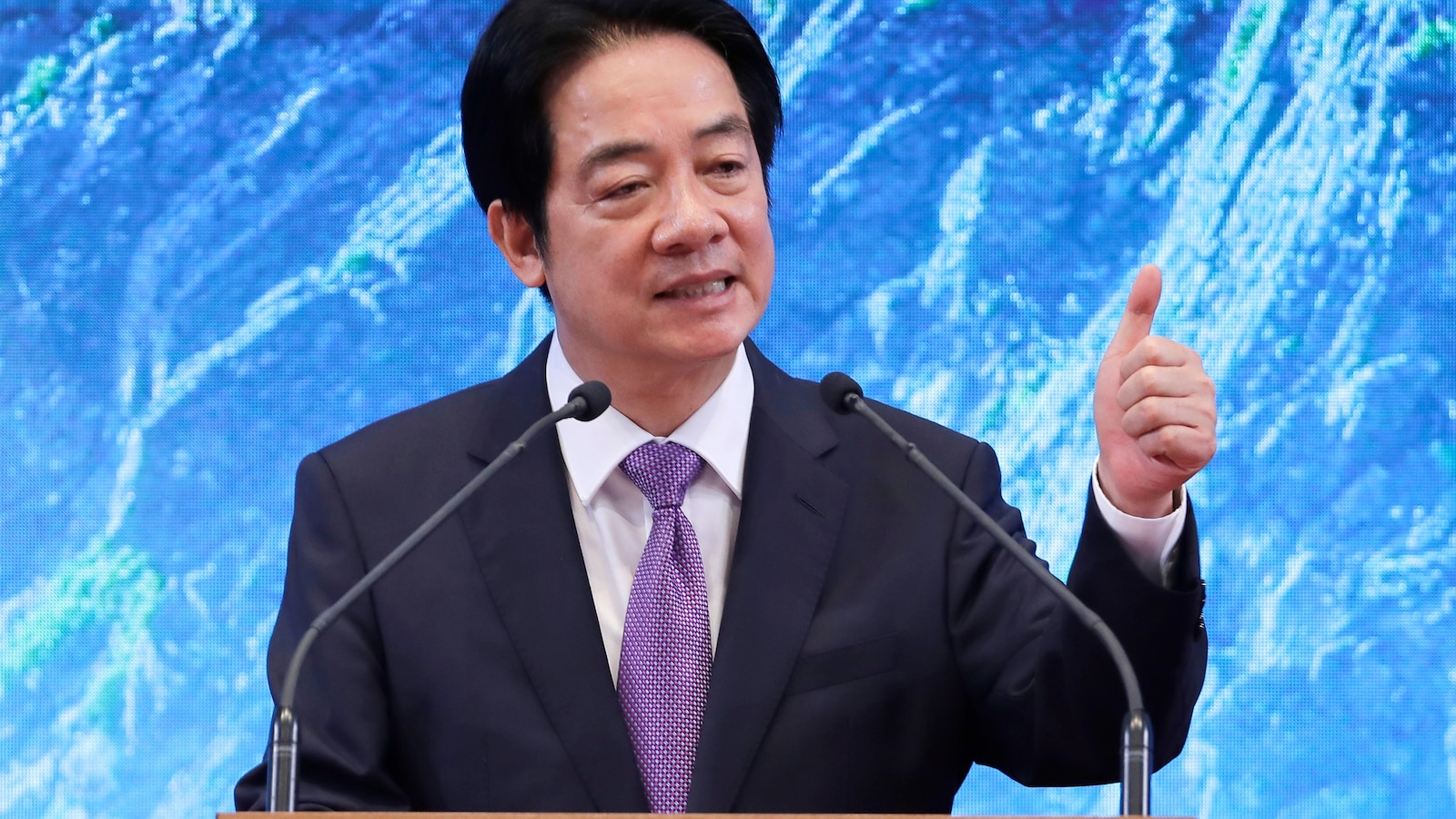
Taiwan's Vice President Lai Ching-te emphasized the importance of ongoing military purchases from the United States during a recent interview. His remarks come amid rising tensions with Mainland China and a changing geopolitical landscape in the region.
Taiwan's Vice President Lai Ching-te on U.S. Defense Relations
In a recent interview, Taiwan's Vice President Lai Ching-te expressed his commitment to maintaining and enhancing defense cooperation with the United States, particularly in the area of military procurement. Lai's comments come at a critical time as Taiwan navigates increasing pressures and military threats from Mainland China, which has ramped up its aggressive posture towards the island.
Context of the Statement
During the interview, Lai stated that he would convey his hopes for continued arms purchases to former U.S. President Donald Trump, should he have the opportunity. Lai's remarks reflect Taiwan's ongoing strategy to bolster its defense capabilities in the face of a more assertive China, which views Taiwan as a breakaway province and has not ruled out the use of force to achieve reunification.
Importance of U.S. Arms Sales
The U.S. has been a key ally for Taiwan, providing military support and arms sales that are crucial for the island's defense strategy. Lai's emphasis on arms purchases underscores the importance of these transactions not only for Taiwan's military readiness but also for the broader U.S.-Taiwan relationship. The U.S. has consistently reaffirmed its commitment to Taiwan's defense under the Taiwan Relations Act, which mandates that the U.S. provide Taiwan with the means to defend itself.
Geopolitical Tensions
The backdrop to Lai's statements is a rapidly changing geopolitical landscape in the Asia-Pacific region. China's military activities near Taiwan have intensified, with frequent incursions into Taiwan's air defense identification zone (ADIZ) and increased naval operations in the Taiwan Strait. These developments have raised alarms in Taipei and Washington, prompting calls for stronger defense measures.
Future of U.S.-Taiwan Relations
Lai's potential engagement with Trump, who has previously expressed strong support for Taiwan, could signal a renewed focus on U.S.-Taiwan relations. Analysts suggest that a continued partnership with the U.S. is vital for Taiwan, not only for military procurement but also for political support on the international stage. As Taiwan prepares for its upcoming presidential elections, Lai's stance on defense cooperation may resonate with voters concerned about national security.
Conclusion
As Taiwan faces mounting challenges from Mainland China, the island's leadership is keenly aware of the importance of maintaining strong ties with the United States. Lai Ching-te's commitment to ongoing arms purchases reflects a broader strategy to ensure Taiwan's defense capabilities are robust enough to deter aggression and safeguard the island's sovereignty. The future of U.S.-Taiwan relations will be closely watched as both sides navigate the complexities of regional security and diplomatic engagement.