Taiwan Takes Center Stage at Upcoming Trump-Xi Summit
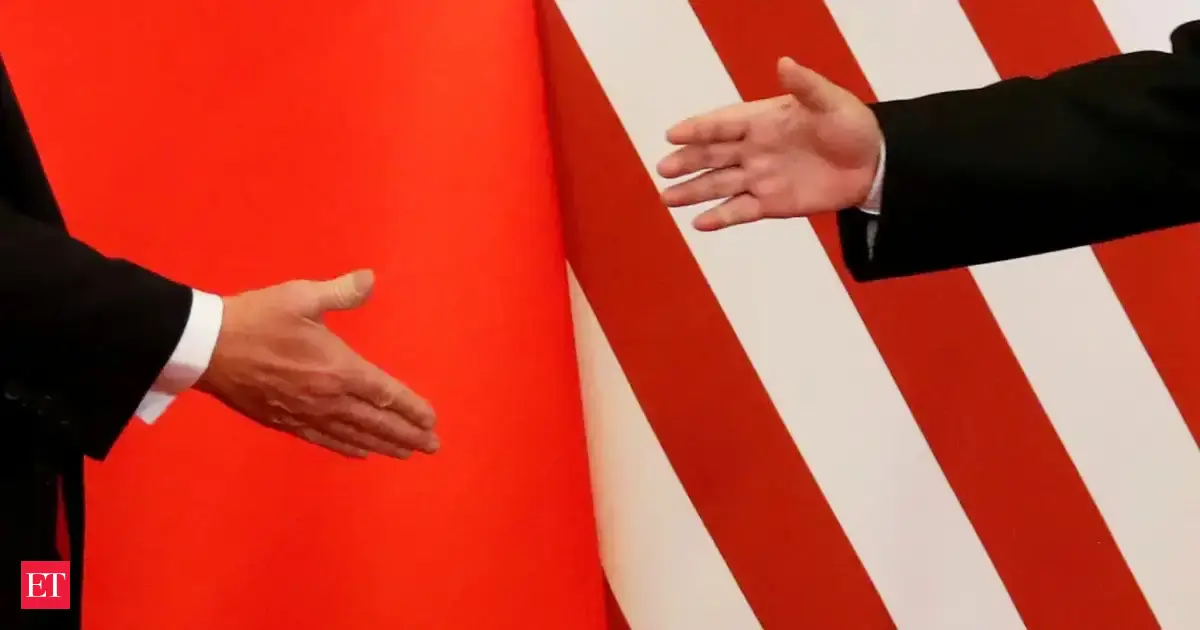
The highly anticipated summit between U.S. President Donald Trump and Chinese President Xi Jinping is set to focus significantly on Taiwan. As tensions rise in the Taiwan Strait, both leaders are expected to address the implications for regional stability and international relations.
Taiwan Takes Center Stage at Upcoming Trump-Xi Summit
The upcoming summit between U.S. President Donald Trump and Chinese President Xi Jinping is poised to be a pivotal moment in the ongoing tensions surrounding Taiwan. As both leaders prepare for their meeting, Taiwan has emerged as a focal point of discussion, reflecting the island's critical role in U.S.-China relations and broader geopolitical dynamics.
Recent reports indicate that Taiwan will be a key agenda item during the summit, reflecting the heightened concerns over Beijing's assertive posture towards the island. The situation has escalated in recent months, with China increasing military activities around Taiwan, including frequent air incursions and naval exercises, which have raised alarms in Taipei and Washington.
Analysts suggest that Trump's administration is likely to reaffirm its commitment to Taiwan's defense, particularly in light of the Taiwan Relations Act, which obligates the U.S. to provide the island with the means to defend itself. This commitment has been a cornerstone of U.S. policy in the region, and any perceived wavering could embolden Beijing's aggressive stance.
On the other hand, Xi Jinping may use the summit to reiterate China's claims over Taiwan, emphasizing the importance of national sovereignty and territorial integrity. The Chinese government has consistently maintained that Taiwan is a part of its territory and has not ruled out the use of force to achieve reunification.
The summit comes at a time when U.S.-China relations are at a low point, with tensions flaring over trade disputes, technology competition, and human rights issues. Taiwan's status is intricately linked to these broader tensions, and both leaders will likely seek to navigate this complex landscape during their discussions.
In recent weeks, the U.S. has taken several steps to bolster its support for Taiwan, including arms sales and high-level diplomatic visits. These actions have drawn sharp rebukes from Beijing, which views them as provocations that threaten its sovereignty. The summit presents an opportunity for both leaders to address these tensions directly, but the outcomes remain uncertain.
Experts warn that any miscalculation during the summit could have severe repercussions for regional stability. Taiwan's strategic location in the first island chain is crucial for U.S. military operations in the Asia-Pacific, making its security a priority for Washington. Conversely, China's growing military capabilities and assertiveness in the region pose significant challenges for U.S. interests.
The international community is closely watching the summit, as the implications of the discussions will likely extend beyond Taiwan. Allies in the region, including Japan and South Korea, are particularly concerned about the potential for conflict in the Taiwan Strait, which could disrupt trade and security in the entire Asia-Pacific region.
As the summit approaches, both leaders face immense pressure to strike a balance between their domestic and international agendas. For Trump, demonstrating a strong stance on Taiwan could rally support among his base, while Xi must navigate internal pressures from hardliners advocating for a tougher approach towards the island.
In conclusion, the Trump-Xi summit is set to be a defining moment in U.S.-China relations, with Taiwan at the heart of the discussions. As both leaders prepare to meet, the world watches closely, aware that the outcomes could have lasting implications for peace and stability in the region.