Tao Ho: A Pioneer of Local Modernism in Hong Kong
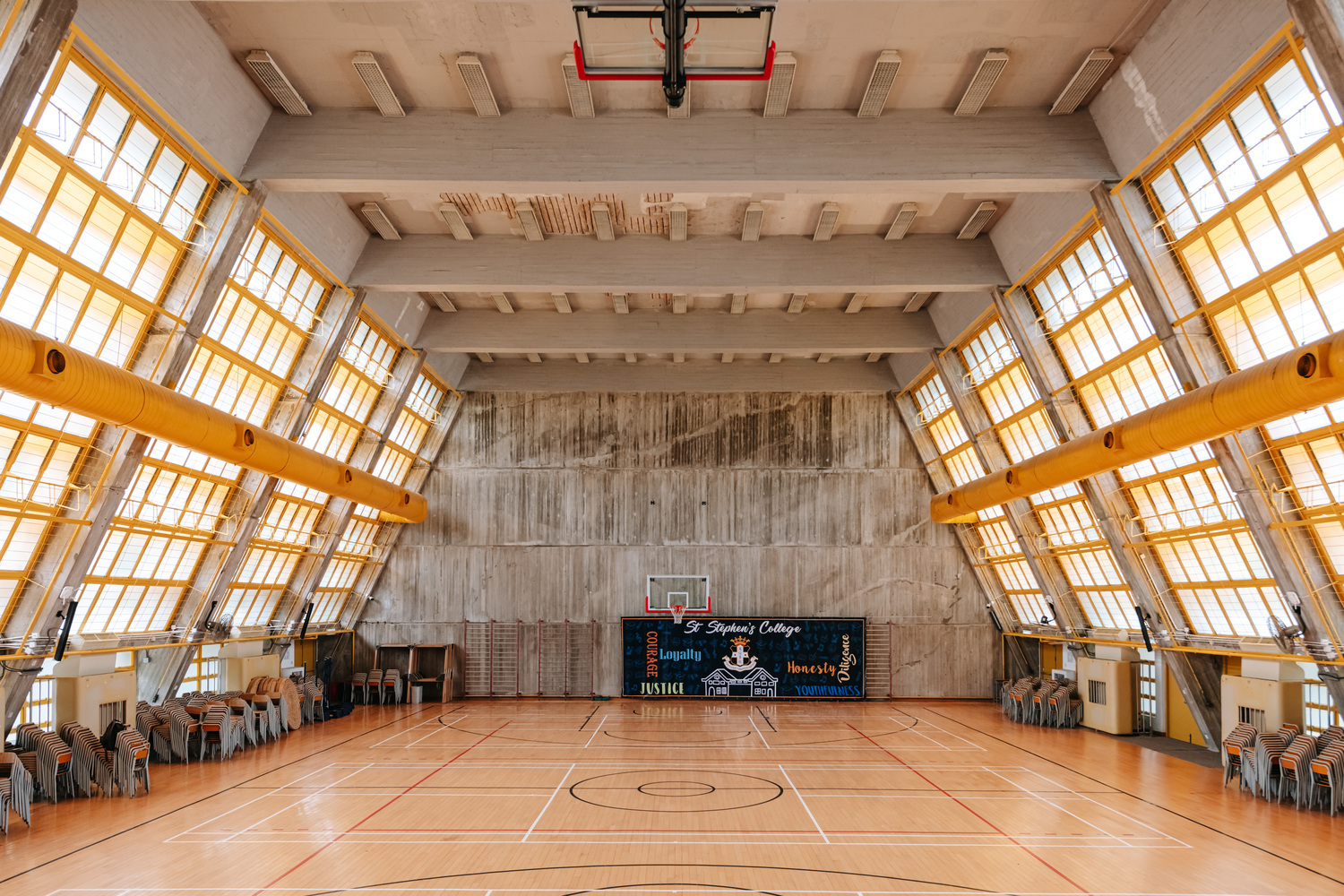
Tao Ho, a leading figure in Hong Kong's architectural scene, has significantly influenced the city's modernist landscape. His works reflect a unique blend of local culture and contemporary design, marking a pivotal moment in Hong Kong's architectural evolution.
Introduction
As Hong Kong continues to evolve into a global metropolis, its architectural landscape remains a testament to its rich cultural heritage and modern aspirations. Among the architects who have played a crucial role in shaping this identity is Tao Ho, a figure whose contributions to local modernism cannot be overstated. His innovative approach and commitment to integrating local culture into contemporary design have left an indelible mark on the city.
The Early Years
Tao Ho was born in 1935 in Guangzhou, China, and moved to Hong Kong at a young age. His early exposure to both Chinese and Western architectural styles laid the foundation for his future works. After completing his studies in architecture at the University of Hong Kong, Ho embarked on a journey that would see him become one of the most influential architects in the region.
Defining Modernism in Hong Kong
Ho's architectural philosophy is deeply rooted in the concept of local modernism, which seeks to harmonize traditional elements with modern design principles. This approach is evident in many of his notable projects, including the Hong Kong Arts Centre and the Hong Kong Museum of Art. These structures not only serve their functional purposes but also embody the spirit of Hong Kong, reflecting its unique cultural identity.
Notable Works
One of Ho's most celebrated projects is the Hong Kong Arts Centre, completed in 1977. This building is a prime example of how modern architecture can be infused with local culture. The centre features a distinctive façade that incorporates traditional Chinese motifs, creating a dialogue between the past and the present. Similarly, the Hong Kong Museum of Art, which underwent a significant renovation under Ho's guidance, showcases his ability to blend contemporary design with historical context.
Influence on Future Generations
Tao Ho's impact extends beyond his own architectural projects. As a mentor and educator, he has inspired countless students and young architects to explore the intersection of culture and design. His teachings emphasize the importance of understanding local context and history, encouraging a new generation to carry forward the principles of local modernism.
Recognition and Legacy
Throughout his career, Ho has received numerous accolades for his contributions to architecture and urban planning. His work has been recognized not only in Hong Kong but also on international platforms, where he has shared his insights on the importance of cultural sensitivity in design. As Hong Kong faces rapid urbanization and globalization, Ho's legacy serves as a reminder of the value of preserving local identity amidst change.
Conclusion
Tao Ho's journey as an architect reflects the dynamic interplay between tradition and modernity in Hong Kong. His commitment to local modernism has not only shaped the city's skyline but has also enriched its cultural narrative. As we look to the future, Ho's work will undoubtedly continue to inspire architects and designers to create spaces that honor the past while embracing the possibilities of the future.