Tao Ho: Redefining Hong Kong's Architectural Identity Through Local Modernism
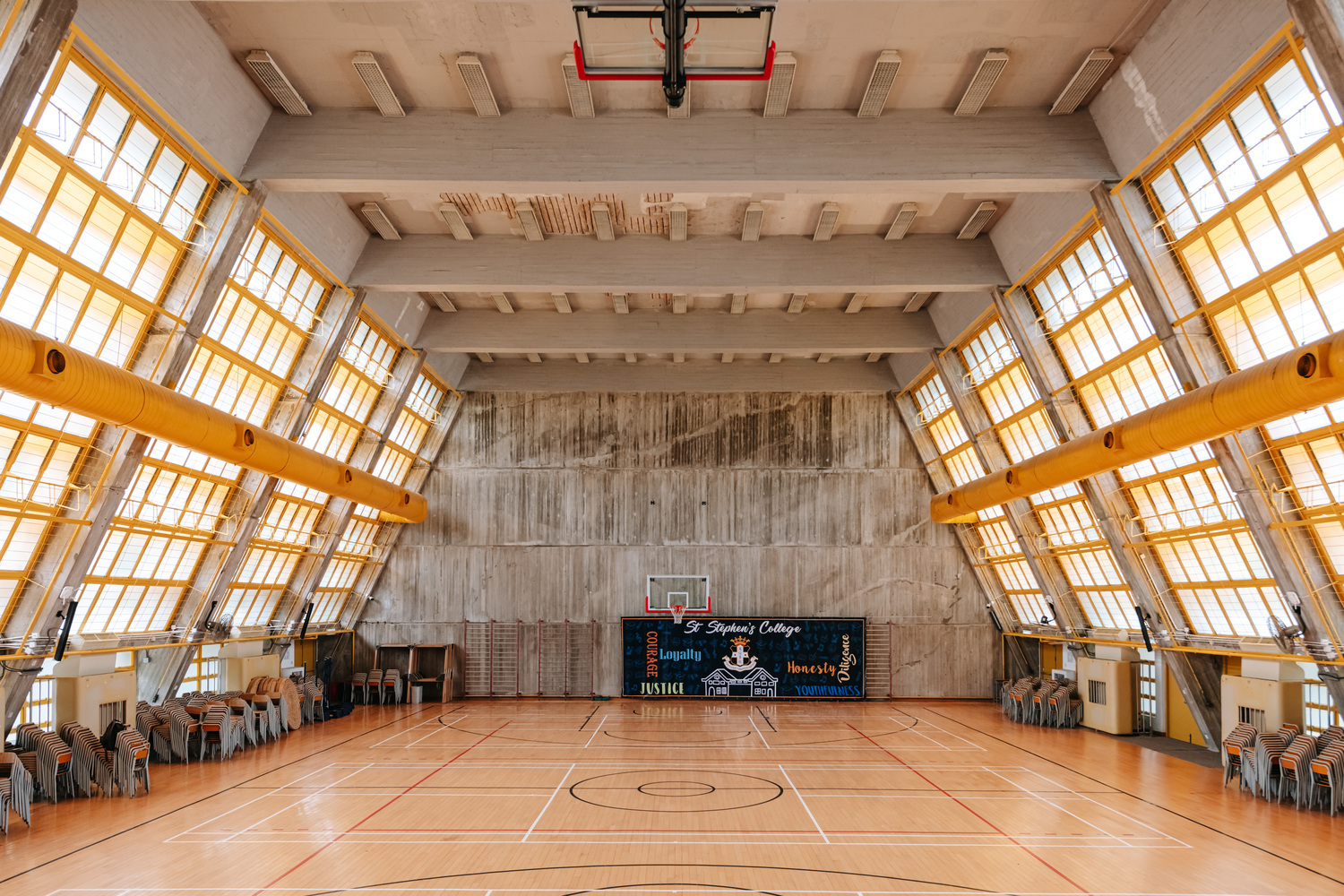
Tao Ho, a pivotal figure in Hong Kong's architectural landscape, champions a unique blend of modernism rooted in local culture. His work not only redefines the skyline but also emphasizes the importance of cultural identity in contemporary architecture.
Introduction to Tao Ho's Vision
In the bustling metropolis of Hong Kong, where skyscrapers pierce the clouds and modernity reigns supreme, the architectural narrative is often dominated by imported styles. However, one architect stands out for his commitment to infusing local culture into modern design: Tao Ho. His work exemplifies a local modernism that resonates deeply with the identity of Hong Kong, offering a refreshing perspective on how architecture can reflect cultural values.
A Journey Through Local Modernism
Tao Ho's architectural philosophy is rooted in the belief that buildings should not only serve functional purposes but also tell stories that resonate with the community. His designs are characterized by a harmonious blend of traditional Chinese elements and contemporary aesthetics, creating spaces that are both innovative and culturally significant. This approach challenges the notion that modern architecture must be devoid of cultural context, positioning Ho as a key figure in the conversation about architectural identity in Hong Kong.
Significant Works and Contributions
Throughout his career, Tao Ho has been involved in numerous projects that showcase his commitment to local modernism. One of his most notable works is the Hong Kong Arts Centre, which serves as a cultural hub for the city. The design of the Arts Centre reflects the dynamic nature of Hong Kong’s artistic community while incorporating elements that pay homage to traditional Chinese architecture.
Another significant project is the Hong Kong International Airport, where Ho’s design philosophy was instrumental in creating a space that is not only functional but also a representation of Hong Kong’s identity as a global city. The airport’s design incorporates natural light and open spaces, creating an inviting atmosphere for travelers while showcasing the beauty of the surrounding landscape.
Impact on the Architectural Landscape
Tao Ho’s influence extends beyond his individual projects; he has played a crucial role in shaping the architectural discourse in Hong Kong. By advocating for a design approach that prioritizes local culture, Ho has inspired a new generation of architects to explore the intersection of tradition and modernity. His work encourages a deeper understanding of how architecture can serve as a medium for cultural expression, prompting discussions about the importance of heritage in contemporary design.
Challenges and Future Directions
Despite his successes, Tao Ho faces challenges in promoting local modernism within a rapidly globalizing architectural landscape. The pressure to conform to international styles often overshadows the unique cultural narratives that local architects like Ho strive to convey. However, his unwavering commitment to integrating cultural elements into modern design serves as a beacon of hope for the future of architecture in Hong Kong.
As cities continue to evolve, the need for architecture that reflects local identity becomes increasingly vital. Tao Ho’s work stands as a testament to the potential of architecture to bridge the gap between tradition and modernity, offering a blueprint for future developments that honor cultural heritage while embracing innovation.
Conclusion
Tao Ho’s contributions to Hong Kong’s architectural landscape are invaluable, representing a unique approach that prioritizes local culture in the face of globalization. His vision of local modernism not only redefines the city’s skyline but also enriches the cultural fabric of Hong Kong, reminding us that architecture is not merely about structures but about the stories they tell and the identities they embody. As we look to the future, Ho’s work will undoubtedly continue to inspire and challenge architects to create spaces that resonate with the communities they serve.