Taoiseach's China Visit Tests Ireland's Global Position
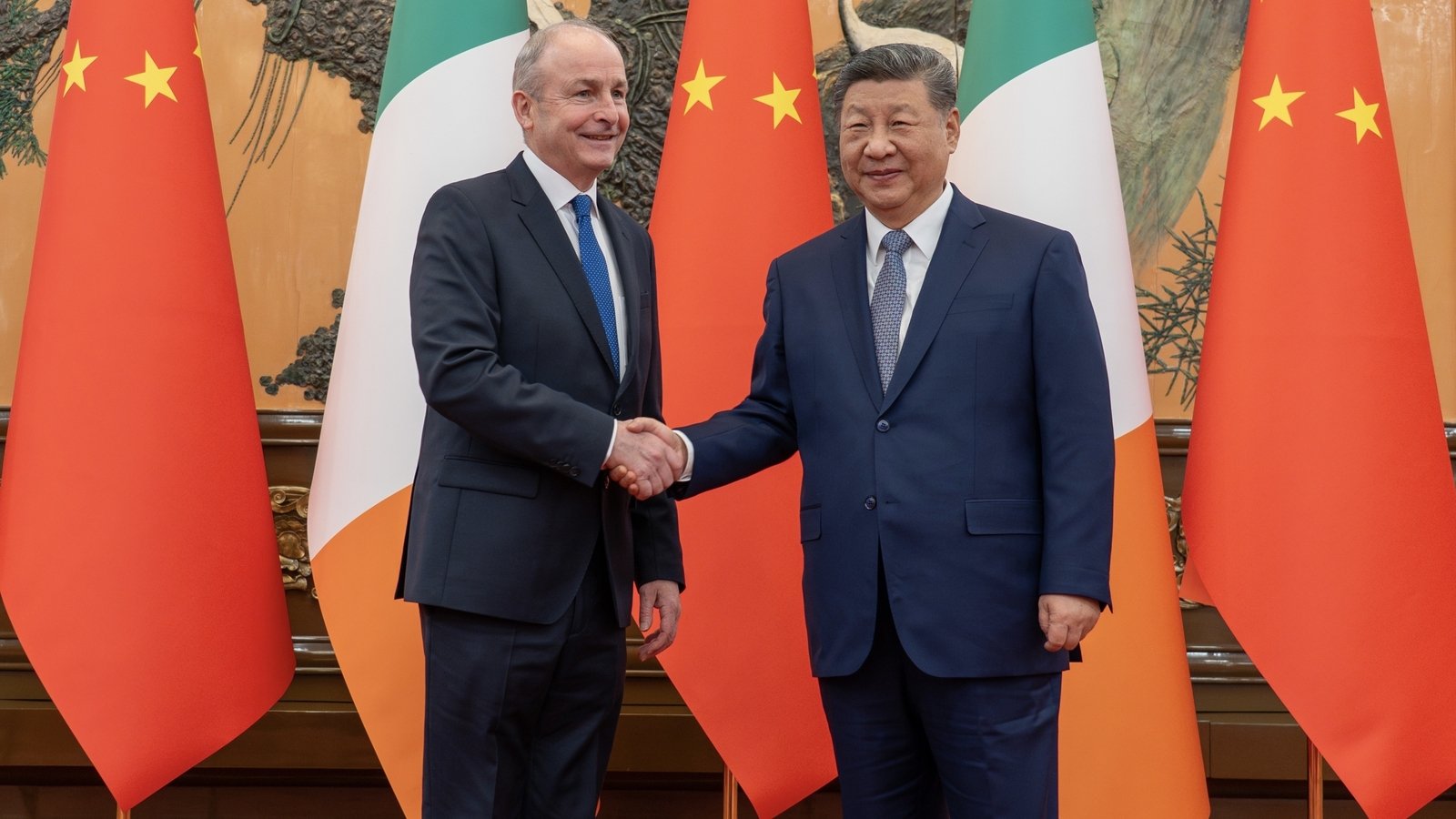
Taoiseach Leo Varadkar's recent visit to China has sparked discussions about Ireland's diplomatic strategies and its role in global politics. The visit aims to strengthen economic ties while navigating complex international relations.
Introduction
Taoiseach Leo Varadkar's recent visit to China marks a significant moment for Ireland as it seeks to bolster its economic and diplomatic ties with one of the world's largest economies. This visit comes at a time when Ireland is reassessing its global position amidst shifting international dynamics, particularly concerning its relationships with both the European Union and the United States.
Strengthening Economic Ties
During his visit, Varadkar engaged in discussions with Chinese President Xi Jinping and other senior officials aimed at enhancing trade relations. Ireland has been keen on expanding its exports to China, which has become a crucial market for Irish goods, particularly in the agri-food sector. The Taoiseach emphasized the importance of diversifying Ireland's trade partnerships, especially in the wake of Brexit, which has posed challenges for Irish businesses traditionally reliant on the UK market.
Diplomatic Challenges
However, Varadkar's visit is not without its challenges. The Taoiseach must navigate the delicate balance of maintaining strong ties with China while upholding Ireland's commitments to human rights and international norms. The Irish government has faced criticism for its engagement with China, particularly regarding issues related to Hong Kong and the treatment of Uyghurs in Xinjiang. Varadkar's approach during this visit will be closely scrutinized, as it could set the tone for Ireland's future diplomatic engagements with China.
Global Context
The backdrop of Varadkar's visit is a rapidly changing global landscape, where countries are increasingly reevaluating their foreign policies in response to China's growing influence. The United States has adopted a more confrontational stance towards China, and European nations are also grappling with how to engage with Beijing. Ireland, as a member of the EU, must consider its position within this broader context, balancing its national interests with those of its European partners.
Public and Political Reactions
Back in Ireland, the visit has sparked a mixed reaction among political leaders and the public. Some see it as a necessary step towards securing economic growth and job creation, while others express concern over the ethical implications of deepening ties with a country facing international scrutiny. Opposition parties have called for a more principled approach to foreign policy, urging the government to prioritize human rights in its dealings with China.
Future Prospects
As Varadkar concludes his visit, the outcomes will likely shape Ireland's international strategy in the coming years. The Taoiseach's ability to effectively communicate Ireland's values while pursuing economic interests will be crucial in defining the nation's role on the global stage. Furthermore, the success of this visit could influence other EU member states in their approach to China, potentially leading to a more unified European stance.
Conclusion
In summary, Taoiseach Leo Varadkar's visit to China represents a pivotal moment for Ireland as it seeks to enhance its economic ties while navigating complex diplomatic waters. The outcomes of this visit will not only impact Ireland's relationship with China but also its standing in the international community, as the nation strives to balance economic growth with ethical considerations in foreign policy.