The China-Russia-North Korea Authoritarian Axis: Implications for Global Stability
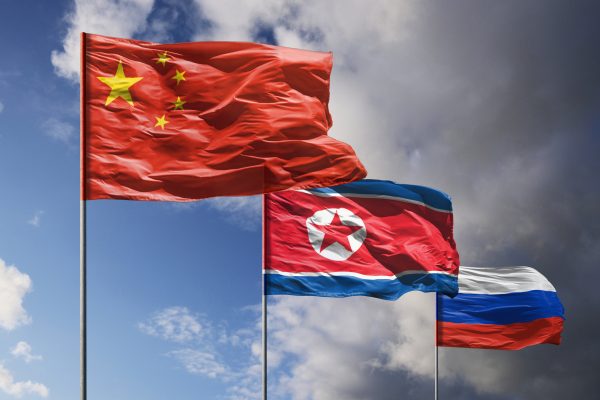
The growing collaboration between China, Russia, and North Korea poses significant challenges to international stability, particularly in the context of ongoing conflicts in Ukraine and Iran. This report explores the geopolitical ramifications of this authoritarian alliance.
Introduction
The geopolitical landscape is undergoing a significant transformation as the authoritarian axis formed by China, Russia, and North Korea continues to solidify. This alliance is not just a regional concern but poses serious implications for global stability, particularly in light of the ongoing wars in Ukraine and Iran. As these nations find common ground, the potential for increased conflict and tension on the world stage grows.
The Nature of the Alliance
At the core of this triad is a shared disdain for Western influence and a commitment to authoritarian governance. China, with its economic might, provides North Korea and Russia with crucial support, while North Korea offers a strategic buffer against U.S. military presence in Asia. Meanwhile, Russia's geopolitical ambitions in Eastern Europe and Asia align closely with China's goals of expanding its influence and countering Western hegemony.
Impact on Ukraine
The ongoing war in Ukraine has highlighted the deepening ties between these three nations. Russia's military aggression in Ukraine has been met with international sanctions, pushing it closer to China and North Korea, both of which have expressed support for Russia's actions. This alliance allows Russia to circumvent some of the economic repercussions of its invasion, as China has increased its imports of Russian energy and military supplies.
North Korea's Role
North Korea's involvement in this alliance is particularly concerning. The regime has been increasingly vocal in its support for Russia, framing the conflict in Ukraine as a struggle against Western imperialism. Furthermore, North Korea has reportedly been providing military assistance to Russia, including munitions and artillery shells, which could further escalate the conflict. This partnership not only strengthens North Korea's position but also emboldens Russia in its military endeavors.
The Iranian Connection
The situation in Iran adds another layer to the complexity of this authoritarian alliance. As Iran faces its own challenges with Western sanctions and military threats, it has found a willing partner in Russia and China. Both nations have supported Iran in various ways, from military cooperation to economic investments. This collaboration not only enhances Iran's capabilities but also creates a united front against Western powers.
Global Repercussions
The implications of this authoritarian axis extend far beyond the borders of these three nations. As they grow closer, the potential for increased military cooperation and joint operations rises. This could lead to a more aggressive posture in regions like the South China Sea and Eastern Europe, where U.S. and allied interests are at stake. The world could witness a shift in the balance of power, with authoritarian regimes gaining confidence and influence.
Conclusion
The China-Russia-North Korea alliance represents a significant challenge to international stability. As these nations work together to counter Western influence, the potential for conflict increases, particularly in volatile regions like Ukraine and Iran. The global community must remain vigilant and responsive to the actions of this authoritarian axis, as its implications could reshape the geopolitical landscape for years to come.