The Closing Doors of Independent Bookshops: A Cultural Shift in China
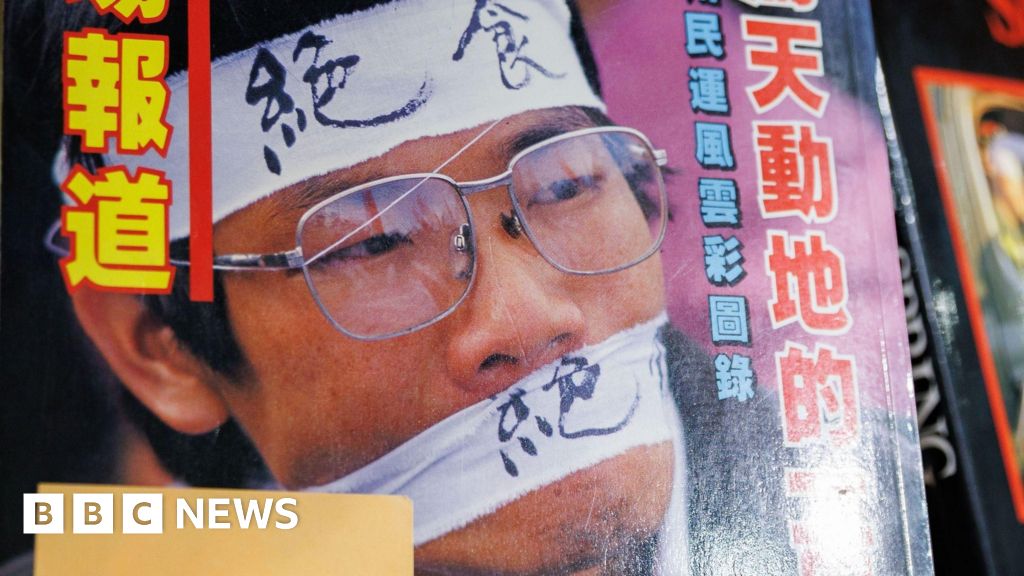
Independent bookshops in China, which once served as vital spaces for free thought and discussion, are facing closure amid increasing government scrutiny. This trend marks a significant cultural shift as access to diverse literature becomes increasingly restricted.
The Cultural Landscape of China’s Independent Bookshops
In recent years, independent bookshops across China have become sanctuaries for free expression and critical thought, offering readers a rare glimpse into diverse perspectives that often challenge the official narrative. However, as the Chinese government intensifies its control over cultural and intellectual discourse, many of these cherished establishments are now facing closure, raising concerns about the future of literary freedom in the country.
Government Crackdown on Dissent
The tightening grip of the Chinese Communist Party (CCP) over cultural institutions has led to a systematic crackdown on dissenting voices. Bookshops that once provided a platform for authors and thinkers who question the status quo are now being scrutinized and shut down under various pretexts, including accusations of promoting 'illegal' literature. This has left many independent booksellers in a precarious position, forced to navigate a landscape fraught with censorship and fear.
Impact on Readers and Authors
The closure of these bookshops is not just a loss for the owners but also for the readers who rely on them for access to a broader range of literature. Many authors, particularly those who write about sensitive political topics, have found it increasingly difficult to publish their works. The fear of repercussions has stifled creativity and led to self-censorship among writers, who now hesitate to express their thoughts fully.
A Shift in Cultural Consumption
As independent bookshops close their doors, the cultural consumption landscape in China is shifting dramatically. Readers are increasingly turning to online platforms for literature, where they may encounter a different set of challenges, including algorithmic censorship and limited access to controversial topics. While the internet offers a degree of anonymity, it does not guarantee the same sense of community and engagement that physical bookshops provide.
International Response and Solidarity
The international community has expressed concern over the decline of independent bookshops in China. Many see these closures as emblematic of a broader trend towards authoritarianism and the suppression of free speech. Literary organizations and human rights advocates are calling for solidarity with Chinese authors and booksellers, urging readers around the world to support their work and raise awareness about the challenges they face.
The Future of Independent Literature in China
Despite the challenges, there remains a glimmer of hope for the future of independent literature in China. Some bookshops have found innovative ways to adapt, hosting online events and utilizing social media to connect with readers. Others are focusing on building a loyal customer base that values the importance of independent thought and diverse literature. As the cultural landscape continues to evolve, the resilience of these bookshops and their patrons may ultimately play a crucial role in preserving the spirit of literary freedom in China.
Conclusion
The closing of independent bookshops in China is a poignant reminder of the ongoing struggle for free expression in a society increasingly dominated by censorship. As these cultural spaces disappear, the voices of dissent and critical thought risk being silenced. It is imperative for both national and international communities to recognize the significance of these establishments and to advocate for the preservation of independent literature as a vital component of a healthy society.