The Closing of Bookshops: A Cultural Shift in Chinese Literature
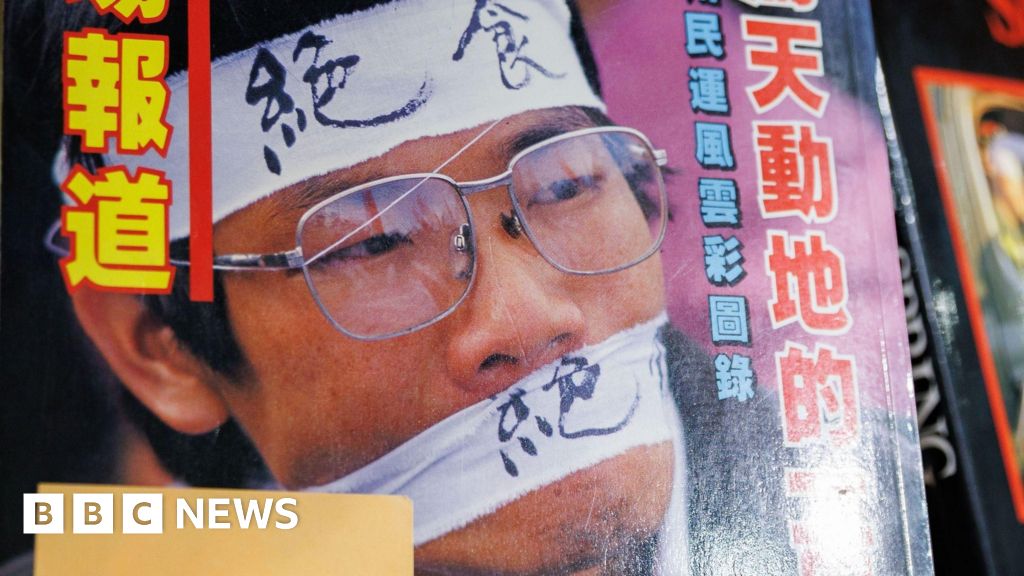
As bookshops that once provided a platform for critical thought and diverse narratives in China face closure, the cultural landscape is changing. This report explores the implications of these closures on freedom of expression and literary culture in the region.
The Closing of Bookshops: A Cultural Shift in Chinese Literature
In recent years, the landscape of literary culture in China has undergone a significant transformation, marked by the closure of independent bookshops that once served as bastions of free thought and critical discourse. These establishments, which offered a range of literature from local authors to international works, are now increasingly under threat as the government tightens its grip on the publishing industry and freedom of expression.
According to a recent report by BBC News, many of these bookshops have been forced to shut their doors, reflecting a broader trend of censorship and control over cultural narratives in China. The closures are not just a loss of physical spaces but represent a chilling effect on the freedom to question and critique the state, which has been a hallmark of literary culture in many societies.
Independent bookshops in cities like Beijing and Shanghai have long been places where readers could explore alternative viewpoints and engage with literature that challenges the status quo. Titles that delve into sensitive political topics or explore themes of dissent have often found a home in these shops, allowing for a vibrant exchange of ideas. However, as the Chinese government continues to enforce stringent regulations on publishing and distribution, the future of such spaces hangs in the balance.
One notable example is the recent closure of the popular bookstore, “The Bookworm,” in Beijing, which was known for hosting literary events and discussions that encouraged critical engagement with contemporary issues. The owners cited increasing pressure from authorities as a key reason for their decision to shut down, highlighting the precarious position of independent booksellers in an increasingly repressive environment.
Moreover, the impact of these closures extends beyond the physical spaces themselves. The loss of independent bookshops signifies a diminishing diversity in literary voices available to the public. Readers are left with a narrower selection of works that often align with state-approved narratives, stifling the rich tapestry of thought that characterizes a healthy literary culture.
In addition to the closures, the government has ramped up its efforts to control the narratives that are accessible to the public. This includes the removal of books from libraries and schools, as well as increased scrutiny of online platforms that host literary content. The chilling effect on authors and publishers is palpable, with many opting for self-censorship to avoid repercussions.
Critics argue that this trend poses a significant threat to intellectual freedom and the development of a robust cultural identity in China. The ability to question and critique one’s society is essential for any culture to thrive, and the current climate of fear surrounding literary expression undermines this fundamental aspect of human experience.
As the doors to these bookshops close, the question remains: what will become of the literary culture in China? Will the next generation of readers be deprived of the rich narratives that challenge and inspire? Or will new forms of resistance emerge, allowing for the continuation of critical thought in the face of adversity?
In conclusion, the closure of independent bookshops in China marks a significant cultural shift that threatens the very fabric of literary expression. As these spaces disappear, so too does the opportunity for readers to engage with diverse perspectives and challenge the narratives imposed by the state. The future of literature in China hangs in the balance, and it is a future that demands attention and advocacy from the global community.