The Closure of Independent Bookshops in Hong Kong Signals a Cultural Shift
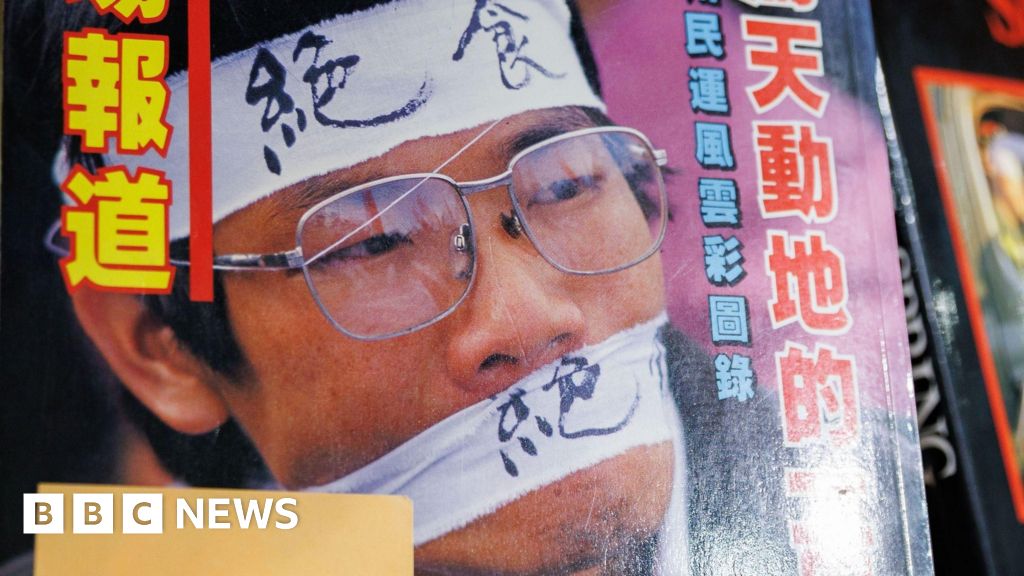
As independent bookshops in Hong Kong face closure, the cultural landscape of the city is changing. This report explores the implications of these closures on freedom of expression and access to diverse literature.
The Cultural Landscape of Hong Kong Under Threat
In recent months, Hong Kong has witnessed a troubling trend as several independent bookshops, known for their diverse collections and critical perspectives, have begun to close their doors. These establishments, once vibrant hubs for intellectual exchange and cultural discourse, are now facing unprecedented challenges amid a tightening grip on freedom of expression in the region.
Independent Bookshops: A Haven for Diverse Voices
For years, independent bookshops in Hong Kong have served as vital platforms for alternative viewpoints and discussions surrounding sensitive political and social issues. They have provided a space for readers to explore literature that challenges the status quo, offering works that delve into topics often considered taboo in the mainstream media.
These bookshops have not only catered to local readers but have also attracted tourists and expatriates seeking a deeper understanding of Hong Kong's unique cultural identity. Titles that question government policies, explore historical events, and critique societal norms have found a home on their shelves, making these spaces invaluable to the preservation of intellectual freedom.
The Impact of Political Climate on Bookshops
However, the political climate in Hong Kong has shifted dramatically since the implementation of the National Security Law in 2020. This legislation has raised concerns about censorship and the suppression of dissenting voices. As a result, many bookshops have faced increased scrutiny and pressure from authorities, leading to a chilling effect on their operations.
Some owners have reported feeling compelled to self-censor their inventory, avoiding titles that could be deemed controversial or politically sensitive. This has led to a significant reduction in the variety of literature available to the public, raising alarms among advocates for free speech and cultural diversity.
Recent Closures and Their Significance
Prominent bookshops like “The Bookworm” and “Grassroots” have recently announced their closures, citing financial difficulties exacerbated by the political environment. These closures are not merely business decisions; they represent a broader cultural shift and a loss of spaces where critical thought and dialogue can flourish.
The closure of these bookstores is particularly poignant as it symbolizes the erosion of civil liberties in Hong Kong. The ability to question authority, engage in open discussions, and access a variety of viewpoints is fundamental to a healthy society. The diminishing presence of independent bookshops signals a worrying trend towards conformity and censorship.
Community Response and Future Outlook
In response to these closures, many community members and activists have rallied to support the remaining independent bookstores. Initiatives such as fundraising campaigns, book fairs, and public readings aim to raise awareness about the importance of these cultural spaces and the literature they provide.
Despite the challenges, some bookshop owners remain hopeful. They believe that the community's support can help sustain their businesses and that there is still a demand for diverse literature. However, the future remains uncertain as the political landscape continues to evolve.
A Call to Action
The situation of independent bookshops in Hong Kong serves as a stark reminder of the fragile nature of freedom of expression. As these cultural institutions face unprecedented pressures, it is crucial for readers, writers, and advocates to stand in solidarity with them. Supporting independent bookstores is not just about preserving a retail space; it is about safeguarding the very essence of cultural diversity and intellectual freedom in Hong Kong.
As the doors of these bookshops close, the question remains: what will be left of Hong Kong's vibrant cultural tapestry? The answer lies in the collective efforts of its citizens to ensure that the voices of dissent and diversity continue to be heard.