The Enduring Legacy of Martial Arts Cinema in Hong Kong
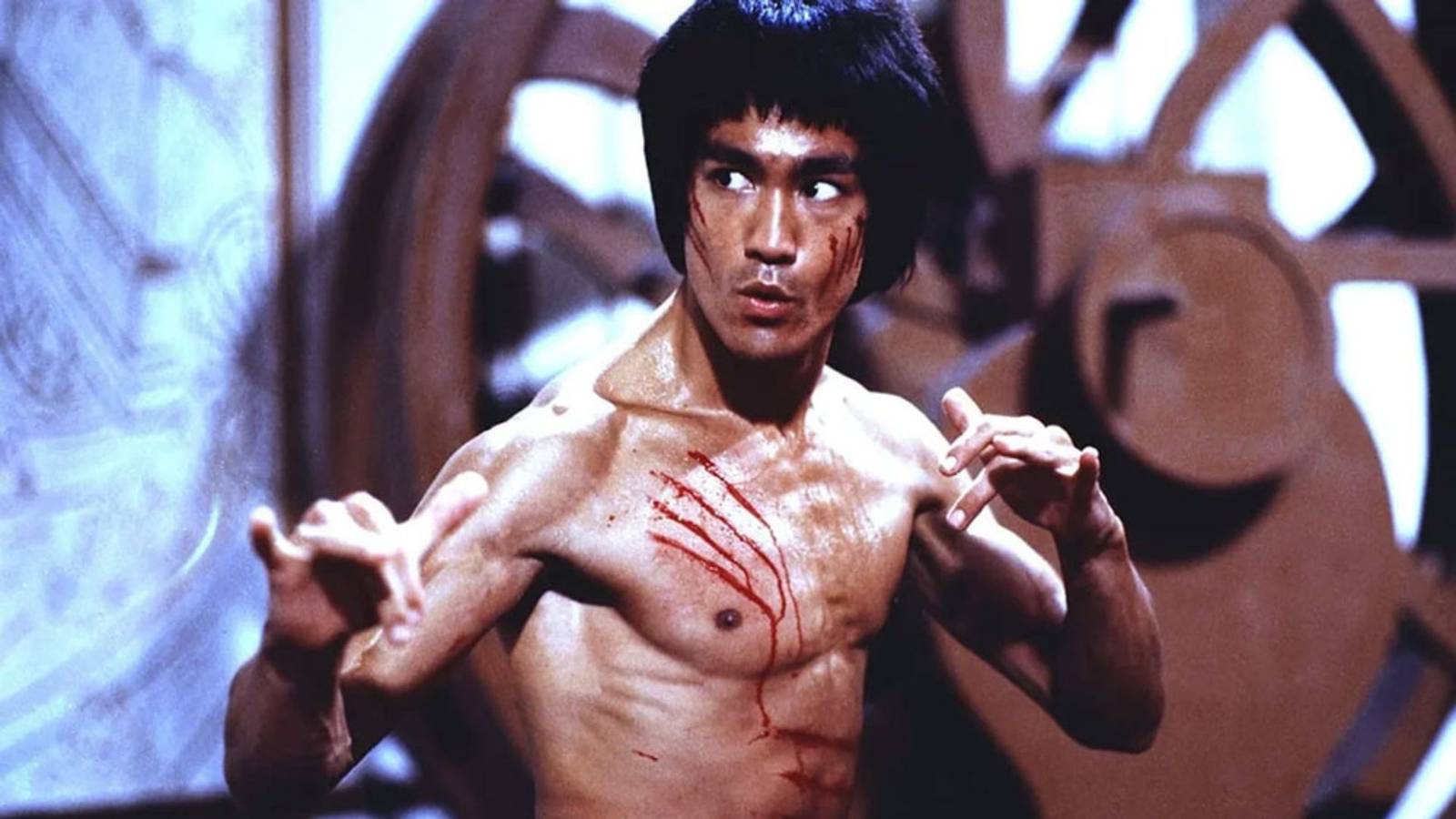
Martial arts films have played a pivotal role in shaping Hong Kong's cultural identity and global cinematic landscape. This report explores how these films have launched the careers of major stars and continue to influence contemporary cinema.
The Rise of Martial Arts Cinema
Hong Kong has long been recognized as the epicenter of martial arts cinema, a genre that not only entertains but also embodies the rich cultural heritage of the region. From the early days of the Shaw Brothers studio to the modern blockbusters of today, martial arts films have captivated audiences worldwide and launched the careers of numerous iconic stars.
Stars Born from Action
Several major stars owe their fame to martial arts films. Bruce Lee, perhaps the most iconic figure in this genre, revolutionized the portrayal of martial arts on screen. His films, such as The Way of the Dragon and Enter the Dragon, not only showcased his unparalleled skills but also introduced audiences to a new form of action cinema that emphasized choreography and philosophy.
Following in Lee's footsteps, stars like Jackie Chan and Jet Li emerged, each bringing their unique style to the genre. Chan's blend of comedy and action, seen in films like Drunken Master and Police Story, appealed to a broad audience, while Li's intense performances in films like Hero and Fearless highlighted the dramatic potential of martial arts storytelling.
The Cultural Significance
Martial arts films are more than just action-packed entertainment; they serve as a reflection of Hong Kong's cultural identity. The genre often explores themes of honor, discipline, and the struggle between good and evil, resonating deeply with audiences both locally and internationally. These films also showcase traditional martial arts forms, preserving and promoting cultural practices that might otherwise fade away.
Global Influence
The global impact of Hong Kong martial arts cinema cannot be overstated. The genre has influenced countless filmmakers and has been a source of inspiration for Hollywood productions. Films like The Matrix and Kill Bill incorporate elements of martial arts choreography, demonstrating the genre's far-reaching influence.
Moreover, the success of martial arts films has opened doors for Asian actors and filmmakers in international cinema. The crossover appeal of stars like Michelle Yeoh and Donnie Yen showcases the growing recognition and appreciation for Asian talent in the global film industry.
Modern Adaptations and Future Prospects
As the genre evolves, contemporary filmmakers are experimenting with new narratives and styles while staying true to the roots of martial arts cinema. Recent films like Shang-Chi and the Legend of the Ten Rings have successfully integrated martial arts into mainstream superhero narratives, further broadening the genre's appeal.
Additionally, the rise of streaming platforms has provided a new avenue for martial arts films to reach global audiences. With a growing number of productions being made in Hong Kong and beyond, the future of martial arts cinema looks promising.
Conclusion
The legacy of martial arts cinema in Hong Kong is a testament to the region's cultural richness and creativity. As it continues to evolve and inspire new generations of filmmakers and stars, the genre remains a vital part of Hong Kong's cultural landscape and an enduring symbol of its global influence.