The Global Revival of Mahjong: A Century-Old Tradition Captivating New Generations
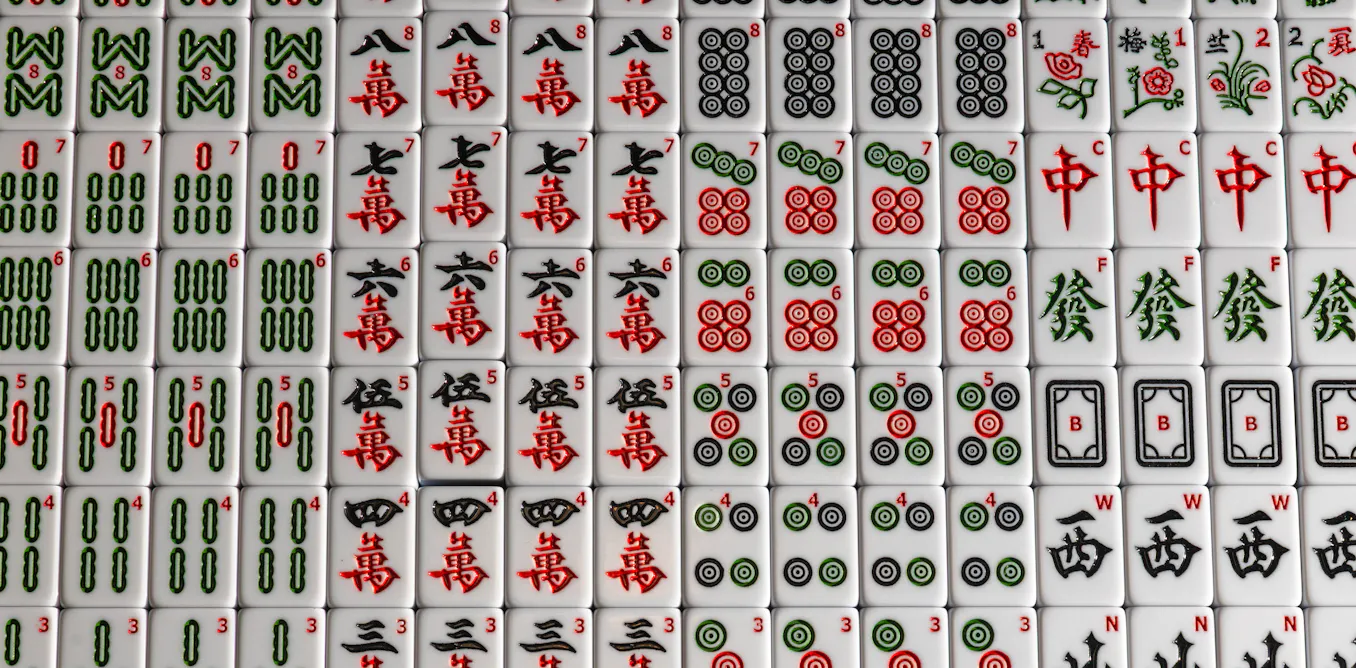
Mahjong, a traditional Chinese game, is experiencing a resurgence in popularity worldwide, transcending cultural boundaries. This revival highlights the game's adaptability and its role in fostering social connections in a digital age.
The Global Revival of Mahjong
In recent years, the ancient game of mahjong has seen a remarkable resurgence, captivating players across the globe, from bustling cities in Asia to quiet neighborhoods in Europe and North America. Once confined to the parlors of Chinese communities, this centuries-old tradition is now being embraced by diverse populations, reflecting a cultural phenomenon that transcends geographical boundaries.
A Brief History
Originating in China during the Qing dynasty, mahjong is a tile-based game that combines skill, strategy, and a bit of luck. Traditionally played by four players, the game involves creating sets of tiles and scoring points based on the combinations achieved. Over the years, mahjong has evolved, with various regional variations emerging, each adding unique twists to the classic gameplay.
The Appeal of Mahjong
One of the main reasons for mahjong's revival is its social nature. In an increasingly digital world where face-to-face interactions are becoming rare, mahjong provides a platform for people to gather, interact, and engage in friendly competition. The game fosters camaraderie and connection, making it a perfect pastime for families and friends alike.
Mahjong in the Digital Age
The rise of technology has also played a significant role in mahjong's resurgence. Online platforms and mobile applications have made it easier than ever for enthusiasts to play the game, regardless of location. These digital adaptations not only preserve the essence of mahjong but also introduce it to new audiences who may have never encountered the game in its traditional form.
Global Tournaments and Cultural Exchange
As mahjong continues to gain traction worldwide, international tournaments have emerged, showcasing the skills of players from different backgrounds. These events not only highlight the competitive aspect of the game but also serve as cultural exchange platforms, where players can share strategies and learn about the rich history of mahjong. The World Mahjong Organization, for instance, has been instrumental in promoting the game on a global scale, organizing competitions and fostering a community of players.
Mahjong's Cultural Significance
Beyond its entertainment value, mahjong holds significant cultural importance. In Chinese culture, the game is often associated with family gatherings and celebrations, symbolizing unity and togetherness. As it gains popularity in various parts of the world, mahjong is helping to bridge cultural divides, allowing players to connect through a shared love for the game.
Challenges and Future Prospects
Despite its growing popularity, mahjong faces challenges in maintaining its traditional roots while adapting to modern tastes. Some purists express concern that the game's essence may be diluted as it becomes more commercialized and accessible. However, many advocates believe that this evolution is essential for the game's survival, ensuring that it remains relevant to new generations.
Conclusion
The revival of mahjong is a testament to its enduring appeal and adaptability. As players from diverse backgrounds come together to enjoy this age-old game, mahjong not only entertains but also fosters connections and cultural appreciation. Whether played in a traditional setting or through a digital platform, mahjong continues to thrive, proving that some traditions can indeed stand the test of time.