The Hidden Environmental Costs of AI Development in Hong Kong's Borderlands
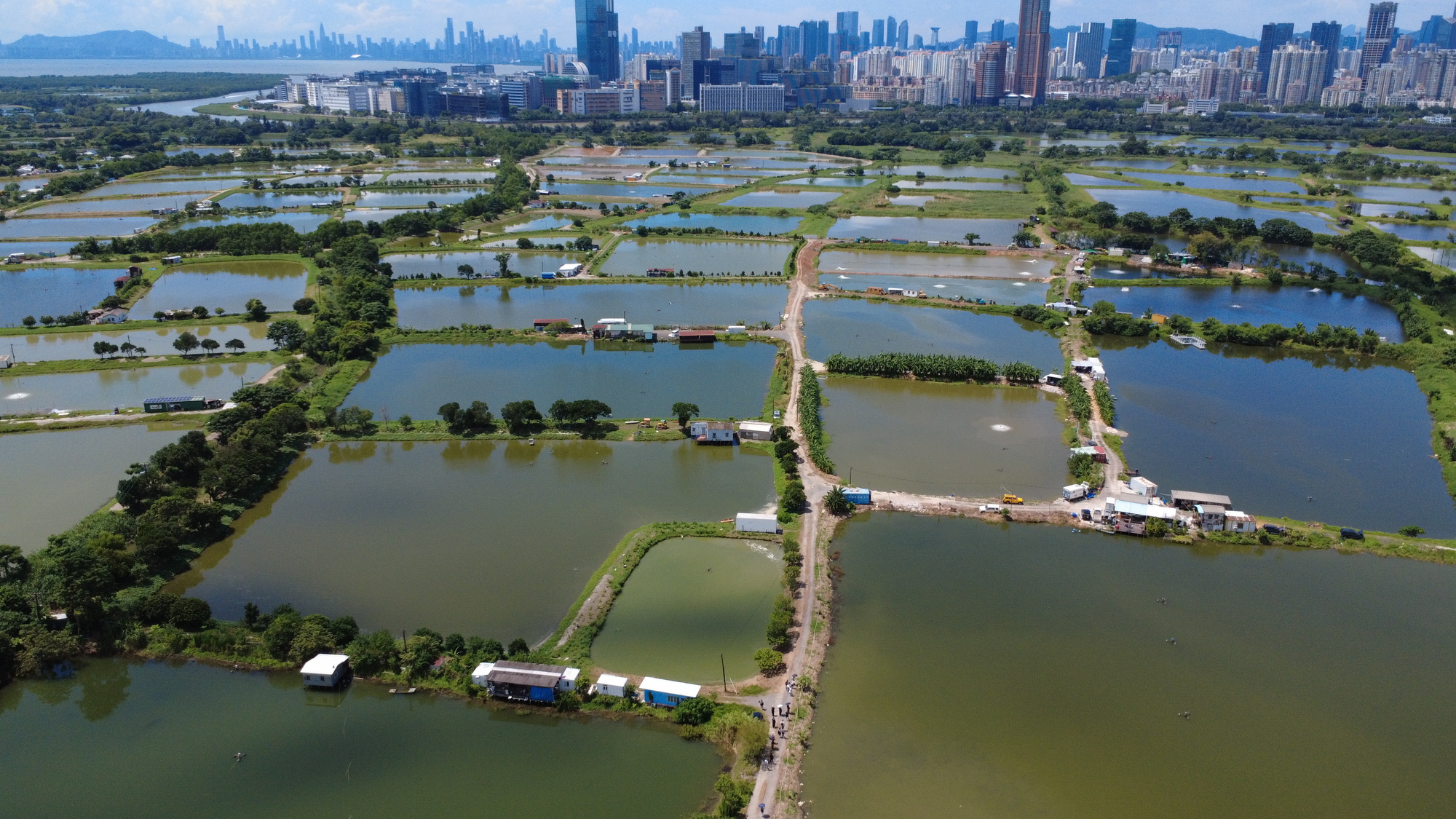
As Hong Kong embraces artificial intelligence, the environmental implications in its borderlands are becoming increasingly apparent. This report delves into the physical costs associated with AI infrastructure and its impact on local ecosystems.
The Hidden Environmental Costs of AI Development in Hong Kong's Borderlands
In recent years, Hong Kong has positioned itself as a burgeoning hub for artificial intelligence (AI) development, attracting tech giants and startups alike. However, as the city races to embrace this new technological frontier, the environmental ramifications, particularly in its borderlands, are raising alarm among environmentalists and local communities.
The Demand for Infrastructure
The rapid growth of AI technology necessitates extensive infrastructure, including data centers, server farms, and communication networks. These facilities, often located in the borderlands of Hong Kong, require vast amounts of energy and land, leading to significant physical costs. The construction and operation of these facilities can disrupt local ecosystems, threaten biodiversity, and contribute to greenhouse gas emissions.
Environmental Impact Assessments
Despite the pressing need for AI infrastructure, the environmental impact assessments (EIAs) for these projects have been criticized for being inadequate. Many stakeholders argue that the assessments often overlook the long-term ecological consequences of large-scale developments. Critics highlight that the focus tends to be on economic benefits rather than the sustainability of local habitats and communities.
Local Communities at Risk
Residents in the borderlands are increasingly voicing concerns about the encroachment of AI facilities in their neighborhoods. The construction of data centers not only alters the landscape but also affects air quality and water resources. Local fishermen and farmers have reported declining fish populations and reduced agricultural yields, attributing these changes to the environmental degradation caused by nearby AI infrastructure.
Government Response and Regulations
The Hong Kong government has acknowledged the importance of balancing technological advancement with environmental protection. However, critics argue that current regulations are insufficient to mitigate the impacts of AI development. Environmental groups are calling for stricter guidelines and more transparent processes to ensure that the ecological costs are adequately considered before any new AI projects are approved.
Innovations in Sustainable Technology
In response to these challenges, some companies are exploring sustainable technologies that could lessen the environmental footprint of AI infrastructure. Innovations such as energy-efficient cooling systems for data centers and renewable energy sources are being implemented to reduce reliance on fossil fuels. These advancements could serve as a model for future developments, emphasizing the need for sustainability in the tech industry.
Public Awareness and Advocacy
Public awareness campaigns are gaining momentum as environmental organizations work to educate residents about the implications of AI development in their communities. Workshops, community meetings, and social media campaigns are being utilized to mobilize support for more sustainable practices and to advocate for the protection of local ecosystems.
The Path Forward
As Hong Kong continues to navigate its role in the global AI landscape, the challenge will be to find a balance between innovation and environmental stewardship. Policymakers, businesses, and local communities must collaborate to ensure that the pursuit of technological advancement does not come at the expense of the natural environment. The future of Hong Kong's borderlands depends on a collective commitment to sustainable development, ensuring that the benefits of AI are realized without compromising the health of the planet.